


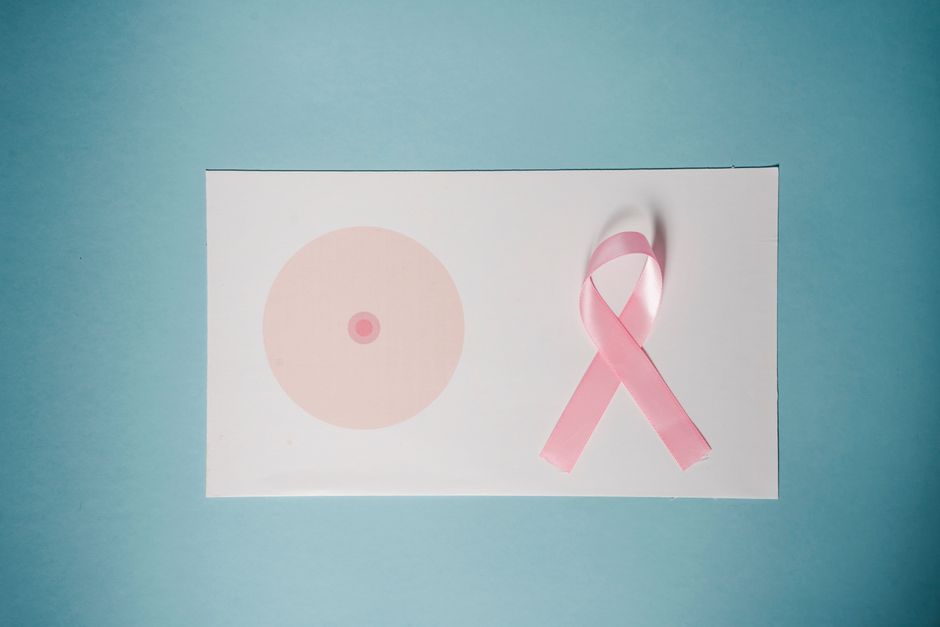
More than 1,300 women die every year from breast cancer in Senegal. Behind this figure, another one: approximately 2,220 new cases diagnosed annually in the country. Data communicated on 27 September by the president of the Ligue sénégalaise contre le cancer (LISCA), Dr Fatma Guenoune, at the official launch of Octobre Rose — the global month of awareness for breast cancer screening.
A burden that is not retreating
Breast cancer remains, according to LISCA, the leading cancer among Senegalese women. This situation contrasts with the evolution of cervical cancer, whose prevalence would show, according to Dr Guenoune, a certain regression. But this nuance should not mask the scale of the problem: a high mortality rate relative to the number of detected cases suggests that many patients are treated at an advanced stage, where therapeutic options are both limited and costly.
The APS press release does not specify survival data or the proportion of cases detected at an early stage. This silence is in itself revealing: access to screening remains the key variable on which health actors are attempting to act.
Screening at the heart of the system
For this edition placed under the theme “Act for Life”, LISCA announced the opening of screening consultations at its headquarters, accessible from Monday to Saturday starting 1 October. Dr Guenoune called on all women to get examined, specifying that those in whom anomalies were detected would benefit from support from the organisation.
This post-screening support is a delicate point: the president of LISCA herself underlined the high cost of cancer care and the need for increased financial support. The league has partners for this edition — DP World, the Fondation Sénégal Solidaire and Wave Sénégal are presented as the three main sponsors — but the question of the sustainability of funding and the actual capacity to cover the treatment costs of identified patients remains open.
Popular mobilisation and pharmaceutical relays
The launch took place in a context of strong citizen participation: more than 3,400 walkers took part in the inaugural walking rally. A symbolic mobilisation, but one that reflects growing public awareness of a subject that has long been taboo in many communities.
LISCA also announced the involvement of Senegalese pharmacists throughout the month of October. The pharmacy network, present in neighbourhoods and often the first point of contact for women hesitant to consult a doctor, constitutes a potentially effective relay — provided that these professionals are equipped with clear tools and messages to guide patients.
What the press release does not say
The figures put forward — 2,220 cases, 1,300 deaths — are not situated in time: are these recent averages, projections, or data recorded in a specific year? The primary source of these statistics is not specified in the APS press release. Furthermore, the geographical distribution of cases (Dakar versus inland regions), the median age at diagnosis, or the accessibility of the screening system outside the capital are not addressed — all parameters that nevertheless condition the real impact of a national campaign.
Finally, while LISCA invites women to take advantage of Octobre Rose to get screened, the question of follow-up beyond the month of mobilisation — available care structures, waiting times, cost of additional examinations — remains the true test of public health policy on this cancer.
Source: APS (Agence de presse sénégalaise), 27 September 2024.
Frequently asked questions
Where can one get screened in Senegal during Octobre Rose?
According to LISCA, screening consultations are organised at its headquarters from Monday to Saturday starting 1 October. Women presenting anomalies will be supported by the organisation.
Who funds LISCA’s activities for this edition?
LISCA cites three main sponsors for this edition of Octobre Rose: DP World, the Fondation Sénégal Solidaire and Wave Sénégal. The league has nonetheless underlined the need for greater financial support to cover the care costs of patients.
Does early screening truly change the prognosis?
Medically, yes: breast cancer detected at a localised stage is associated with survival rates markedly higher than those of a cancer diagnosed at a metastatic stage. This is precisely the central argument of screening campaigns, and the reason why LISCA insists on consultation before the appearance of symptoms.
Why does the mortality rate remain so high despite awareness efforts?
Several factors are generally put forward in the African context: limited access to screening in rural areas, high cost of treatments (surgery, chemotherapy, radiotherapy), late recourse to care, and insufficient specialised oncology infrastructure. LISCA itself acknowledged the high cost of care as a major obstacle.