



Average Salary in Mali in 2026: Sectors, Bamako and Tips
What is the SMIG in Mali in 2026? Set at approximately 45 000 FCFA per month, the guaranteed minimum interprofessional wage remains one of the lowest in the UEMOA zone. In a context of political transition and economic pressure, understanding pay levels — from the SMIG to senior executives — is essential for negotiating a salary, looking for a job, or recruiting in Mali.
The new salary scale in Mali 2026: minimum wage and average salary
| Indicator | 2026 Amount |
|---|---|
| Official SMIG | ~45 000 FCFA/month |
| Average salary formal sector | ~130 000 – 180 000 FCFA/month |
| Average salary in Bamako (formal) | ~160 000 – 250 000 FCFA/month |
| Civil servant category B (entry-level) | ~90 000 – 140 000 FCFA/month |
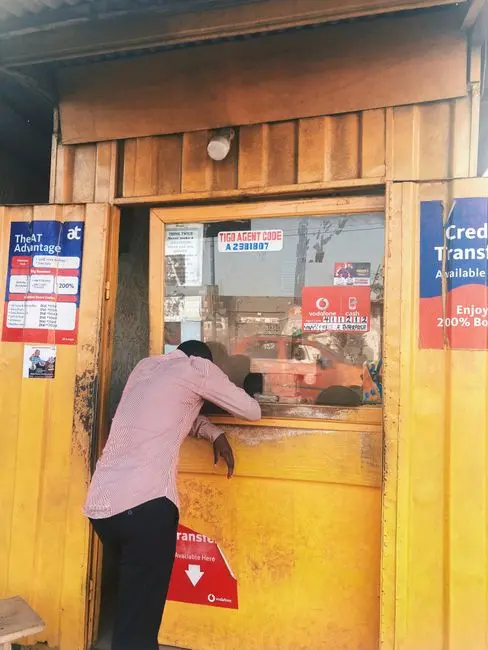
Are you part of the Mali diaspora and want to send money to your family? Check out our comparison of transfer services to Mali (Taptap Send, LemFi, Paysend).
Salary scale by sector in Bamako
| Sector | Entry-level (FCFA/month) | Experienced (FCFA/month) |
|---|---|---|
| NGOs and humanitarian organizations | 200 000 – 400 000 | 600 000 – 2 000 000 |
| Mining and gold (SOMISY, Endeavour) | 150 000 – 300 000 | 400 000 – 1 200 000 |
| Banking and microfinance | 120 000 – 220 000 | 300 000 – 700 000 |
| Construction and civil engineering | 100 000 – 200 000 | 280 000 – 600 000 |
| Healthcare (private clinics) | 80 000 – 160 000 | 220 000 – 500 000 |
| Solar energy | 100 000 – 180 000 | 250 000 – 500 000 |
| Telecoms (Orange, Moov) | 150 000 – 280 000 | 350 000 – 800 000 |
| Agriculture and agro-industry | 60 000 – 120 000 | 150 000 – 350 000 |
The SMIG in Mali in 2026: amount, legal basis and real-world application
The SMIG (Salaire Minimum Interprofessionnel Garanti) in Mali is officially set at 45 000 FCFA gross per month, approximately 68 euros at the 2026 exchange rate. This amount is governed by the Malian Labour Code and applies to all employees in the formal private sector, regardless of the professional branch.
Who is affected by the SMIG? Every employer in the formal sector is legally required to pay at least this wage. In practice, its application remains limited: more than 80% of the Malian workforce operates in the informal sector, where wages are often below this threshold, with no effective legal recourse.
Regional comparison of the SMIG in the UEMOA zone (2026):
| Country | Monthly SMIG |
|---|---|
| Mali | ~45 000 FCFA |
| Sénégal | ~63 000 FCFA |
| Côte d’Ivoire | ~75 000 FCFA |
| Burkina Faso | ~52 000 FCFA |
| Niger | ~42 000 FCFA |
The Malian SMIG has not been revised upward for several years, despite inflation eroding households’ purchasing power. Trade unions, notably the UNTM (Union Nationale des Travailleurs du Mali), regularly call for an upward revision to bring it to at least 65 000 FCFA.
SMIG vs. actual salary: In large formal companies in Bamako, few employees are actually paid at the SMIG rate. This floor mainly concerns unskilled jobs, security guards, cleaning staff and laborers in SMEs.
How to negotiate your salary in Mali in 2026: practical tips
Whether you are looking for your first job or changing careers, negotiating your salary in Mali follows rules specific to the local market. Here are the key points to know before an interview.
1. Know your market value by sector
Before any negotiation, find out about the salary scales in your sector (see table above). NGOs, mines and banks pay significantly more than local SMEs for the same profile. An experienced accountant can expect 250 000 FCFA at a bank, compared to 120 000 FCFA at a trading SME.
2. Highlight rare skills
Proficiency in English, technical French, accounting software (Sage, QuickBooks) or GIS tools (for mines and NGOs) can justify a premium of 20 to 40% on the standard salary base.
3. Factor in benefits in kind
In Mali, gross salary does not always reflect the total package. Formal companies often offer: housing or a housing allowance (30 000 to 80 000 FCFA), transport, medical coverage, and performance bonuses. These benefits can represent 20 to 50% of the base salary.
4. Timing and context of negotiation
Negotiation is better received after the employer has made an initial offer. It is advisable to propose a salary range rather than a fixed figure, and to rely on concrete data (experience, qualifications, quantified achievements).
5. Be aware of social contributions
The INPS (Institut National de Prévoyance Sociale) deducts approximately 3,6% on the employee side and 14% on the employer side. The net salary is therefore lower than the advertised gross. Consider negotiating on a net basis or clarifying this point with the recruiter.
Salary scale in Mali 2026: complete table and PDF format
The salary scale in Mali 2026 is based on the SMIG of 45 000 FCFA and is broken down along three axes: status (civil servant vs. private sector), sector of activity, and level of experience. The table below summarizes the official pay ranges that employers must respect in order to comply with Malian labour legislation.
| Professional category | Monthly salary 2026 (FCFA) |
|---|---|
| SMIG (formal private sector) | 45 000 |
| Civil servant category D | 50 000 – 80 000 |
| Civil servant category C | 80 000 – 140 000 |
| Civil servant category B | 90 000 – 140 000 |
| Senior executive (private sector) | 250 000 – 1 500 000 |
| Specialized technician | 120 000 – 350 000 |
| Administrative officer | 60 000 – 150 000 |
To download the full scale or consult official updates, contact the Malian Ministry of Labour or employer federations (CNPM). Most organizations make an updated PDF file available at the start of each year, also accessible through payroll bodies and HR firms in Bamako.
FAQ – Salaries in Mali 2026
What is the average salary in Mali in 2026?
In the Malian formal sector, the average salary is around 130 000 to 180 000 FCFA per month. In Bamako for skilled positions, this figure rises to 160 000–250 000 FCFA. These figures mask a large disparity with the informal sector, which accounts for the majority of employment and generates incomes often below 80 000 FCFA per month.
What is the SMIG in Mali in 2026?
The Malian SMIG is set at approximately 45 000 FCFA per month, around 68 euros at the 2026 exchange rate. It is one of the lowest SMIGs in the UEMOA zone. It reflects the country’s level of economic development and the difficulties businesses face in maintaining high payroll costs in a context of political and economic uncertainty.
Who are the best-paying employers in Mali?
The best-paying employers in Mali are international NGOs and humanitarian organizations (MSF, OCHA, PAM, CICR), mining companies (Endeavour Mining, Barrick, SOMISY), international banks and telecoms (Orange Mali, Moov Africa). These sectors pay salaries that are often 2 to 5 times higher than the national average for comparable profiles.
Also read: most sought-after jobs in Mali in 2026 and profitable business in Mali.
See also: Compare with other African countries — Average salary in Africa 2026: complete country-by-country comparison
Will the SMIG in Mali increase in 2026?
To date, no official upward revision of the Malian SMIG has been announced for 2026. It remains set at approximately 45 000 FCFA per month. Trade union confederations, including the UNTM, are maintaining pressure for an increase to 65 000 FCFA, but the transitional authorities have not yet acted on this. Any revision would depend on tripartite consultations between the government, employers and trade unions.
What is the difference between the SMIG and the average salary in Mali?
The SMIG (45 000 FCFA/month) is the legal floor below which no formal employer may pay an employee. The average salary in the formal sector is significantly higher, between 130 000 and 180 000 FCFA per month. The gap is explained by the fact that the SMIG mainly concerns unskilled jobs, while the average includes technicians, middle managers and senior executives. In the informal sector, many workers actually earn less than the legal SMIG.
Most sought-after jobs in Mali in 2026: table by sector
Beyond pay levels, identifying jobs in high demand allows individuals to choose a training path, target a recruiter, or position themselves in an independent niche. In 2026, several sectors show sustained demand for skills despite the context of political transition.
| Sector | In-demand jobs | Indicative gross monthly salary (FCFA) | Outlook |
|---|---|---|---|
| Construction and infrastructure | Civil engineer, site manager, qualified mason | 150 000 – 600 000 | Very strong (road projects, housing) |
| Healthcare | Nurse, midwife, laboratory technician | 100 000 – 350 000 | Strong (structural shortage in rural areas) |
| Education and training | Teacher (secondary, vocational), professional trainer | 90 000 – 280 000 | Stable (demographic growth) |
| Digital and tech | Web/mobile developer, social media manager, data analyst | 120 000 – 500 000 | Strong (low local competition) |
| Finance and accounting | Accountant, auditor, SME manager | 130 000 – 400 000 | Stable (SMEs, NGOs, projects) |
| Agro-industry | Agricultural technician, field officer, food processor | 80 000 – 250 000 | Growing (food sovereignty policies) |
| Solar energy | Photovoltaic installation technician, solar electrician | 120 000 – 350 000 | Very strong (accelerated rural electrification) |
| Logistics and transport | Heavy goods driver, stock manager, customs agent | 100 000 – 300 000 | Strong (regional trade flows) |
Construction and solar energy: the two sectors under the greatest strain in Mali
Construction remains the leading formal employer outside agriculture in Mali. Road infrastructure projects (Bamako–Bougouni road, housing developments in Bamako and Ségou), school and health centre rehabilitation projects funded by bilateral cooperation maintain a constant demand for engineers, site managers and skilled technicians. Salaries in formal civil engineering regularly exceed 400 000 FCFA for experienced profiles, making it one of the highest-paying sectors outside NGOs and mining.
Solar energy is experiencing accelerated expansion, driven by rural electrification programmes and policies to reduce dependence on hydrocarbons. Demand for photovoltaic technicians and specialist electricians far exceeds the locally trained workforce, creating real opportunities for technical profiles from vocational training centres (CFPT) or self-taught certified individuals.
Practical tip: in both these sectors, technical certifications (BTS civil engineering, electrical qualification, recognized solar training) are a direct lever for salary negotiation, often more decisive than seniority.
Sending money to Mali: compare services
For diaspora members who transfer part of their salary to Mali, the amount actually received depends heavily on the service chosen. Specialist digital operators (Remitly, WorldRemit, TapTapSend, Sendwave) send directly to mobile money (Wave, Orange Money) within minutes, with fees often below 2%, whereas banks charge 5 to 10% by combining commissions and exchange rate margins.
See also our guide to money transfers to the continent.
Also read: our guide to investing in Africa (high-growth sectors, risks and access conditions).
Further reading: Investing in real estate in Africa.
Investing in Mali: What to invest in with 1 million FCFA in Mali in 2026?
The Les Afriques newsletter
L’essentiel de l’économie africaine — guides, comparatifs et analyses — dans votre boîte mail chaque semaine.