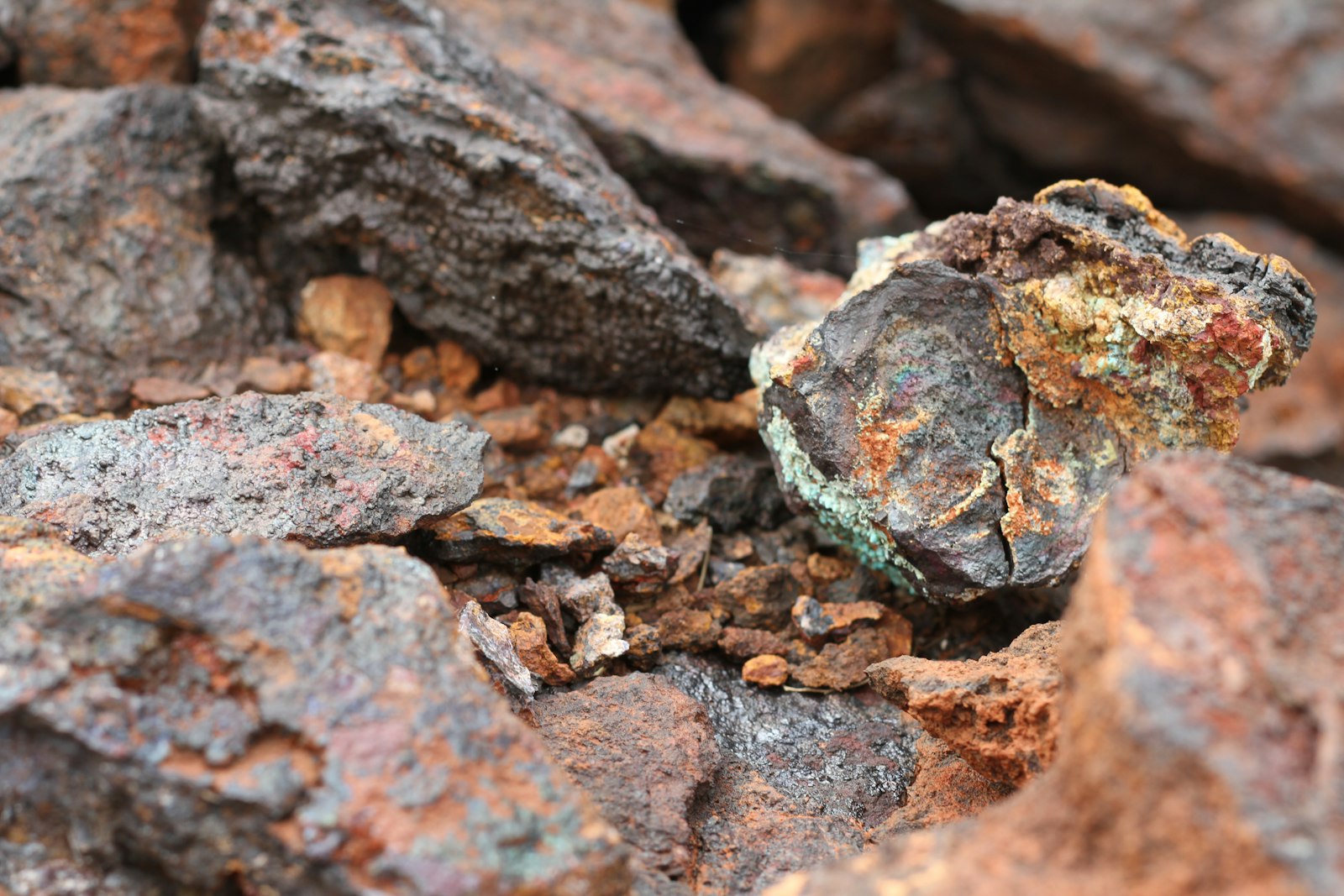
Africa holds about 30% of the world’s mineral reserves, 40% of its gold, nearly 90% of its chromium and platinum, and the planet’s largest cobalt and diamond reserves, according to the United Nations Environment Programme (UNEP). Yet “rich in natural resources” does not always mean “rich, full stop.” This ranking lists the African countries endowed with the continent’s largest documented underground and hydrocarbon wealth, measured by the scale and strategic value of their resources.
The 2026 ranking of Africa’s richest countries in natural resources
| Rank | Country | Key resources | Strategic asset |
|---|---|---|---|
| 1 | DR Congo | Cobalt, copper, diamonds, coltan, gold | ≈70% of global cobalt output |
| 2 | South Africa | Gold, platinum, chrome, manganese, coal | ≈90% of global platinum reserves |
| 3 | Nigeria | Oil, gas, coal, tin | Africa’s top oil producer |
| 4 | Angola | Oil, diamonds | Africa’s 2nd-largest oil producer |
| 5 | Algeria | Oil, gas, phosphates | 2nd-largest gas reserves on the continent |
| 6 | Guinea | Bauxite, iron ore, gold, diamonds | World’s top bauxite reserves (≈24%) |
| 7 | Morocco | Phosphates, cobalt, silver | ≈70–80% of global phosphate reserves |
| 8 | Zambia | Copper, cobalt, emeralds | Africa’s 2nd-largest copper producer |
| 9 | Ghana | Gold, oil, bauxite, manganese | Africa’s top gold producer |
| 10 | Botswana | Diamonds, copper, nickel, coal | World’s top diamond producer |
| 11 | Libya | Oil, gas | Africa’s 4th-largest oil producer |
| 12 | Gabon | Manganese, oil, iron ore | World’s 2nd-largest manganese producer |
| 13 | Mozambique | Gas, coal, rubies | Huge offshore gas reserves (Rovuma) |
| 14 | Tanzania | Gold, gas, diamonds (tanzanite) | Offshore gas + gemstones |
| 15 | Zimbabwe | Platinum, chrome, lithium, gold | World’s 3rd-largest platinum reserves |
A closer look at the top 5
1. DR Congo — the continent’s richest subsoil
The Democratic Republic of the Congo alone supplies around 70% of the world’s cobalt, a metal essential to the batteries of electric vehicles and smartphones. It also holds major reserves of copper, diamonds, coltan and gold. Its mineral potential is estimated in the trillions of dollars, yet the value captured locally remains far below the wealth extracted.
2. South Africa — the historic precious-metals giant
The world’s leading producer of platinum and palladium, South Africa concentrates about 90% of global platinum reserves and close to 40% of world chromium output. Its gold reserves remain among the largest on Earth, even though production has fallen sharply over the decades.
The Afriques newsletter
- Free & no spam
- 1 email per day
- Unsubscribe in 1 click
3. Nigeria — oil above all
Africa’s top oil producer at around 1.5 million barrels per day, Nigeria also holds the continent’s largest natural gas reserves. Its economy remains structurally dependent on hydrocarbons despite efforts to diversify into agriculture and services.
4. Angola — oil and diamonds
Africa’s second-largest oil producer at around 1.1 million barrels per day, Angola is also a major diamond player, with roughly 6–7% of world output.
5. Algeria — the northern gas giant
Africa’s third-largest oil producer, Algeria holds the continent’s second-largest gas reserves and has boosted exports to Europe since the 2022 energy crisis. Its phosphate reserves are also notable.
Resource-rich, development-poor: the African paradox
Economists call it the “resource curse”: countries with the largest natural resource endowments often show slower growth, higher inequality and weaker governance than their less-endowed neighbours. The DRC, despite its cobalt and copper, ranks among the world’s poorest countries by income per capita; Nigeria and Angola, oil giants, struggle to convert their revenue into human development.
Three mechanisms explain it. First, dependence: when hydrocarbons or minerals dominate exports, the economy becomes vulnerable to price cycles. Second, governance: concentrated rents feed corruption and weaken institutions. Third, the “Dutch disease”: the influx of foreign currency strengthens the local currency and penalises other export sectors, notably industry and agriculture.
The energy transition is reshaping the game: cobalt, copper, lithium and manganese have become “critical minerals” for batteries and renewables. For countries able to process locally and capture part of the value added, the subsoil can become a development lever — provided they move beyond raw-commodity exports.
Frequently asked questions
Which African country is richest in natural resources?
The Democratic Republic of the Congo is generally considered the African country with the richest subsoil, thanks to its reserves of cobalt (≈70% of world output), copper, diamonds and coltan. Its subsoil is estimated to be worth several trillion dollars in potential.
Why do resource-rich countries often stay poor?
This paradox, known as the “resource curse”, stems from dependence on price cycles, the concentration of rents (which fuels corruption) and the Dutch disease (the influx of foreign currency penalises other export sectors). Wealth extracted from the ground does not automatically translate into human development.
What natural resources does Africa hold?
According to UNEP, Africa holds about 30% of the world’s mineral reserves, 40% of its gold, nearly 90% of its chromium and platinum, and the largest cobalt and diamond reserves. It also concentrates 8% of global gas reserves, 12% of oil reserves, and roughly 80% of global phosphate reserves (dominated by Morocco).
Methodology
This qualitative ranking is based on the scale and strategic value of each country’s documented resources: hydrocarbons (oil and gas), metallic minerals (cobalt, copper, iron ore, bauxite, manganese) and precious metals (gold, platinum, diamonds). It does not rely on a single score, as no official consolidated “natural wealth” indicator exists per country. Ranks reflect a reading of world reserve and production shares published by the sources below. Figures are orders of magnitude and may change as institutions update their data.
Sources
- UNEP — Africa’s natural resources
- USGS — Mineral Commodity Summaries (production and reserves by country)
- AFD — Africa’s mining potential
- OPEC — oil production by country
Last updated: November 2026. This ranking is indicative and does not constitute investment advice. Spotted an error? Email us: [email protected].