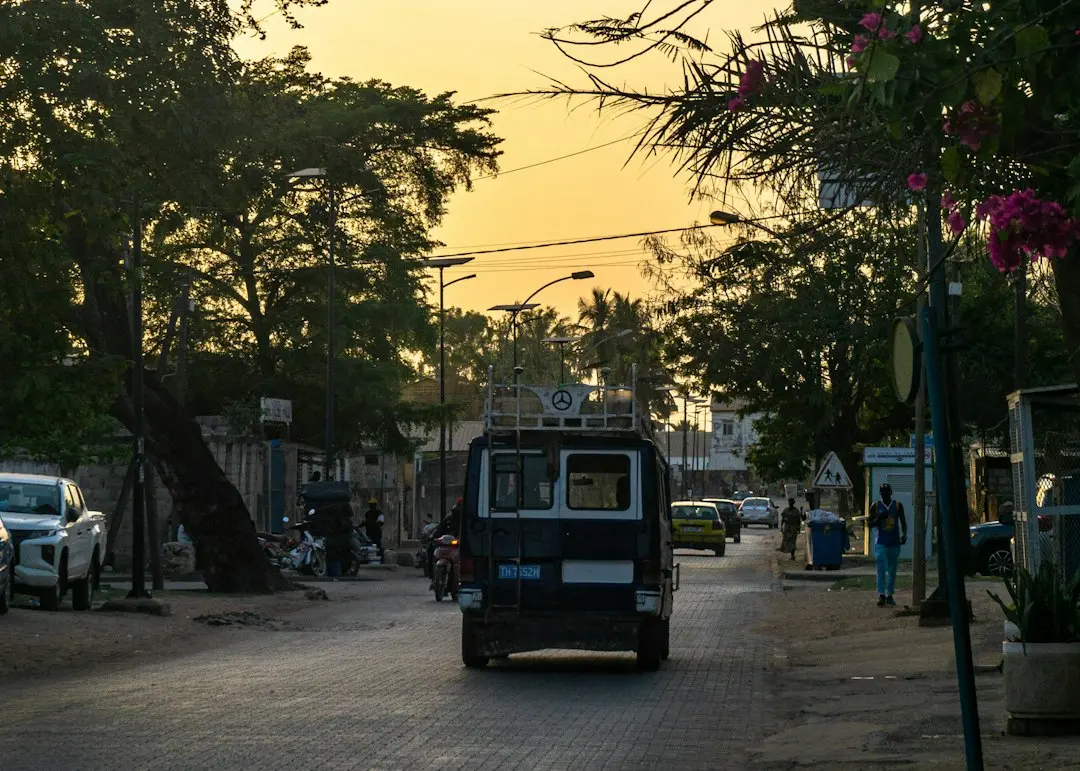



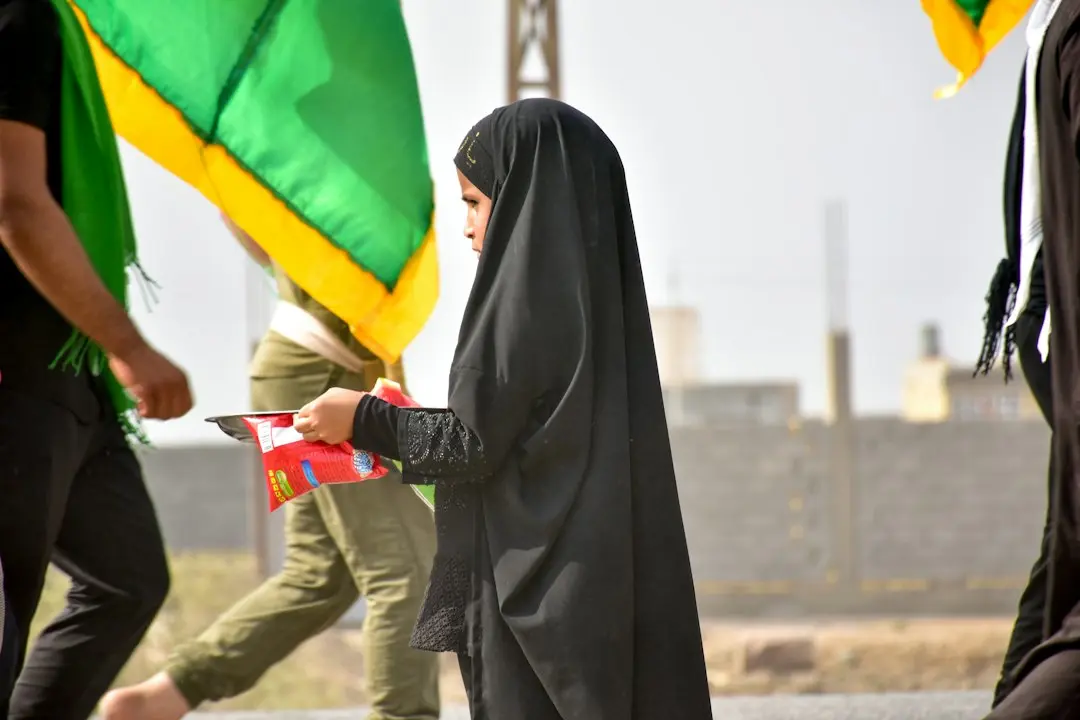
It is around a public health topic that the San region chose to open the 2026-2027 school year. On Thursday, October 1st, at the A.T.T. School in Médine, the regional governor, Colonel-Major Ousmane Sangaré, presided over the official launch ceremony of the new school year, in the presence of a gathering of administrative, educational and security officials.
School hygiene, a still underestimated issue
The theme chosen for this school year — “Food safety in schools” — deserves attention. In many Malian localities, school canteens and street vendors around educational establishments represent a real health vulnerability for students. Developed in the 9th grade A classroom by French teacher Fanta Dembélé, the presentation covered concrete measures: personal hygiene, cleanliness of school premises, proper cooking of food and use of drinking water. Students were invited to actively participate in the discussions, a sign of a desire to raise awareness through practice rather than mere instruction.
The choice of this theme is not incidental in a context where foodborne diseases regularly affect Sahelian school populations, particularly in semi-urban areas. The fact that regional authorities have made it the guiding thread of the school year reflects a concern, even though the press release specifies neither the resources allocated to these awareness-raising activities, nor the monitoring mechanisms planned beyond the inaugural ceremony.
A notable institutional mobilization
The simultaneous presence of the prefect of the San cercle Souleymane Tembély, the mayor of the urban commune Félicité Diarra, the director of the teaching Academy Cheick Haïdara, his deputy Mamoudou Yessa Togo, the director of the Centre d’animation pédagogique Oumar Abdrahamane Dicko and the heads of the defence and security forces illustrates the ceremonial importance given to this event. The ceremony began with the raising of the national colors, a symbolic marker of strong institutional grounding.
Governor Sangaré concluded the sequence by congratulating Fanta Dembélé for the quality of her presentation and urging students to “redouble their efforts and determination” to succeed in their end-of-year exams. Classic words of encouragement, which shed no light on the material conditions in which these students will approach the year: textbook provision, state of infrastructure, supervision ratios — all elements that the press release leaves in the shadows.
What the ceremony does not say
An official back-to-school ceremony is above all an act of political and administrative visibility. It signals that the State is present in the territory, that schools are functioning, that students are returning to class. But it says nothing about school enrollment rates in the San region, any potential teacher shortages, or the security situation which, in certain areas of central Mali, continues to affect the regularity of the school year. The food safety theme, as relevant as it may be, risks remaining a dead letter without support on the ground — staff training, canteen equipment, access to running water in schools.
To be followed, therefore: the concrete implementation of this theme throughout the year in the region’s schools, and the ability of local actors to transform a day of awareness-raising into lasting practices.
Source: AMAP (Agence Malienne de Presse et de Publicité), October 1st, 2026.
Further reading
Read also
- Sassandra: teachers in remote areas, forgotten by the Ivorian education system
- Louga: 41 deaths and more than 1,000 accidents in six months, ANASER intensifies awareness efforts
- Women’s philanthropy in Côte d’Ivoire: three decades, three organizations, one shared priority for the vulnerable
The Les Afriques newsletter
L’essentiel de l’économie africaine — guides, comparatifs et analyses — dans votre boîte mail chaque semaine.