
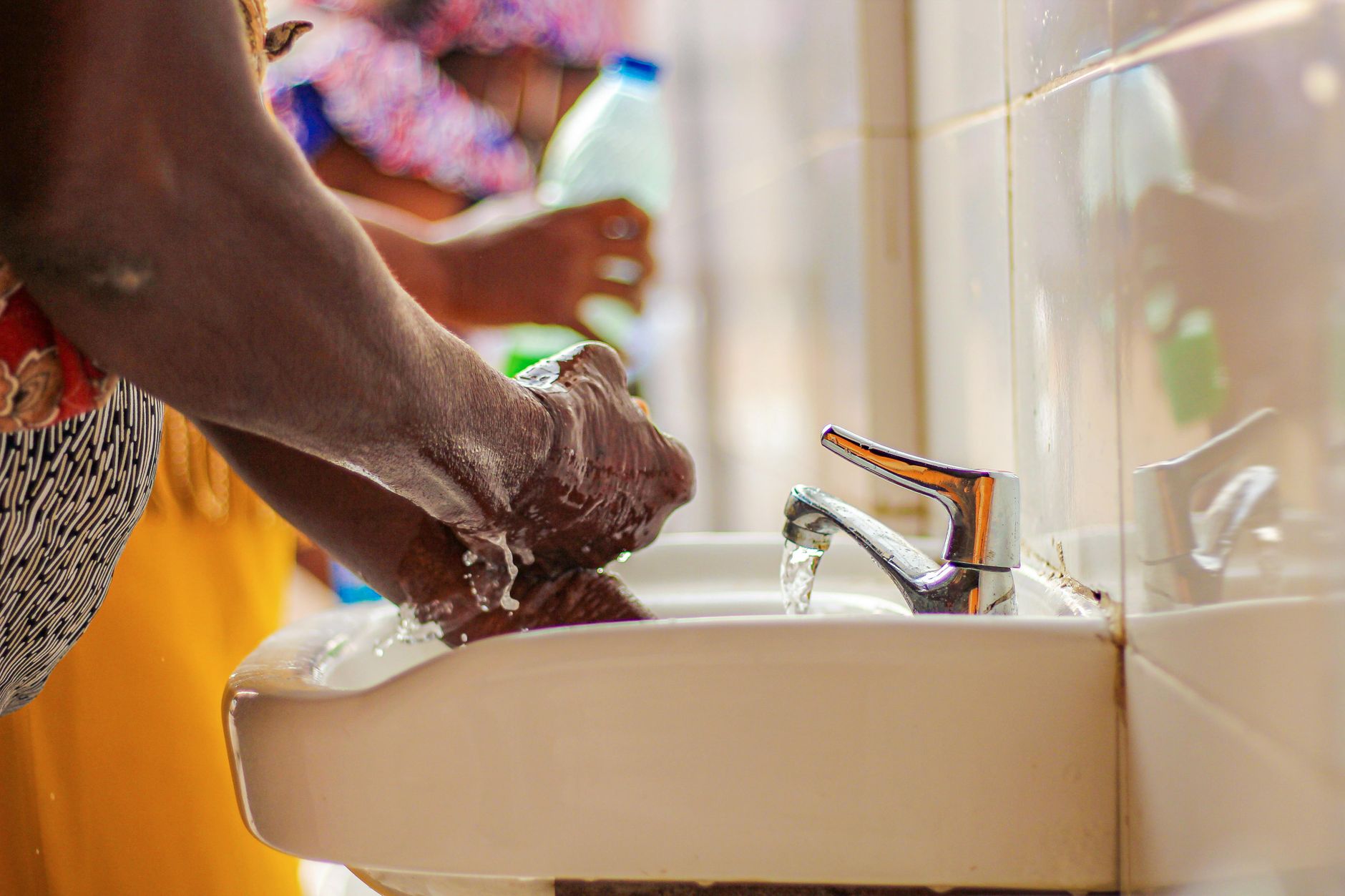
It was in the courtyard of the Badiè Togola school group in Dioïla that the regional launch of the 2026 handwashing with soap promotion campaign was held on Wednesday, October 21. The choice of a school as the setting for the launch is no coincidence: children remain one of the most effective vectors for transmitting good hygiene practices within households.
A simple gesture, a real public health issue
The governor’s representative, Djinemoussa Diakité, advisor for administrative and legal affairs, recalled the range of diseases that handwashing with soap helps prevent: diarrheal and respiratory illnesses, poliomyelitis, trachoma, Ebola virus disease, Covid-19, and certain dermatological conditions. The list alone explains why health authorities continue to emphasize this gesture, despite decades of awareness campaigns.
In low- and middle-income countries, diarrheal diseases remain a major cause of infant mortality. Mali, a landlocked country facing structural weaknesses in access to water and basic health services, is no exception to this reality. It is in this context that the annual campaign takes on its full meaning — even if its long-term impact depends on effective access to safe water and soap, two resources that are not yet universally available in rural areas.
The Afriques newsletter
- Free & no spam
- 1 email per day
- Unsubscribe in 1 click
Theme, mobilization, and key messages
Held under the theme “Be a handwashing hero”, the 2026 edition brought together school administrators, civil administrators, health service workers, representatives of the defense and security forces, and students. Soumaïla Coumaré, first deputy mayor of Kaladougou and secondary school teacher, emphasized the “simple and low-cost” nature of this gesture which, according to him, “saves lives.”
Banners displayed during the ceremony identified the critical moments: after using the toilet, before preparing meals, before eating, and after caring for an injured or sick person. The ceremony concluded with practical demonstrations, a pedagogical format intended to instill the reflex rather than simply inform.
What the campaign does not say
While the institutional mobilization is real, several questions remain open. The campaign explicitly targets health workers, women, youth, and “the general population,” but the press release specifies neither the resources allocated nor the monitoring mechanisms that would allow for the evaluation of lasting behavioral change. A launch day, however well organized, is generally not enough to change deeply ingrained habits — public health literature is consistent on this point.
The question of access to soap and safe water in the surrounding rural areas also deserves to be raised: raising awareness without removing supply constraints is like prescribing without a prescription. The AMAP press release mentions no distribution or infrastructure component associated with this 2026 edition.
Nevertheless, the regularity of these campaigns — and their anchoring in schools — represents an achievement whose cumulative effect, difficult to measure in the short term, may prove significant over a generation.
Source: AMAP (Agence Malienne de Presse et de Publicité), 21 October 2025.