
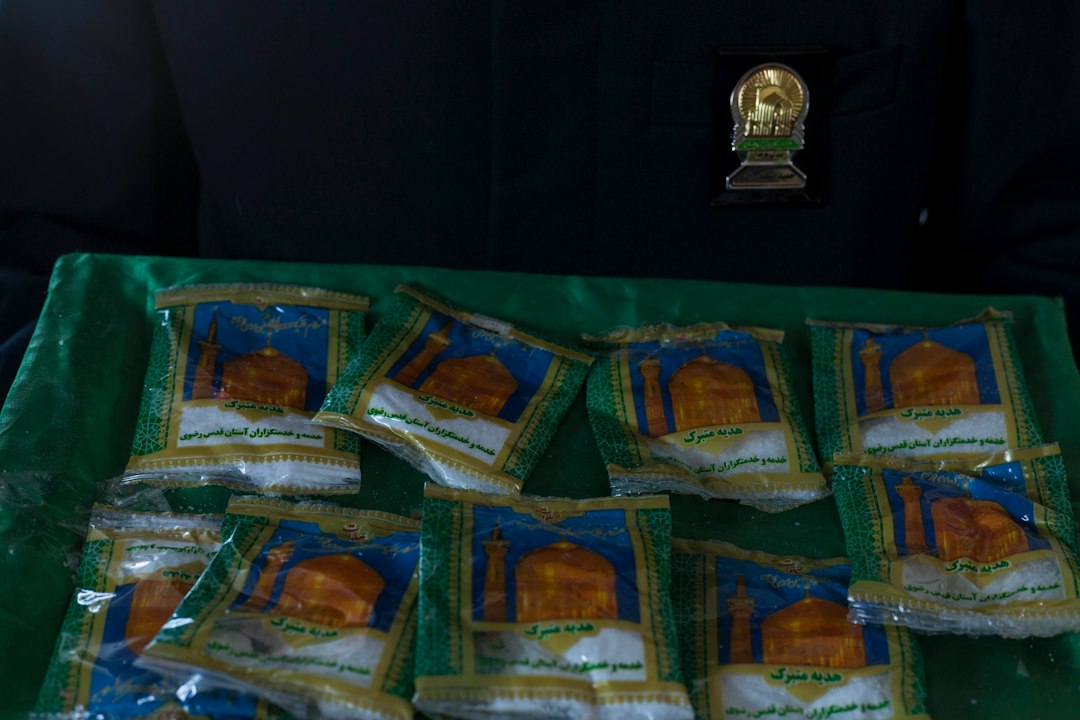
The battle against narcotics in Guinea is not fought solely in large metropolises. In Beyla, a city in the forest region close to the border with Côte d’Ivoire and Sierra Leone, the national police struck hard on 13 October 2023, by apprehending more than a dozen people — including five women — suspected of drug trafficking and drug use in three neighborhoods: Tabadou, M’Balia and Tintinkan.
A targeted operation in identified neighborhoods
The operation named “Tempête de Simandou” — in reference to the mining massif located in this area — was conducted by the national police of Beyla. According to central commissioner Bangaly Dramé, who presented the apprehended individuals to the press at the city’s central police station, the objective is to “dismantle drug distribution networks and reduce their consumption in the administrative region of Beyla.” A quantity of narcotics, described as significant by the authorities, was also seized during the operations, without precise figures being communicated.
The Afriques newsletter
- Free & no spam
- 1 email per day
- Unsubscribe in 1 click
The choice of targeted neighborhoods is not insignificant: Tabadou, M’Balia and Tintinkan are dense urban areas of the municipality, where the circulation of illicit products has been reported for some time according to local security forces. The region of Beyla, landlocked and bordering other countries, constitutes a traditional transit corridor, which complicates surveillance and facilitates trafficking.
What the operation says — and does not say
Commissioner Dramé reassured on the continuity of interventions, stating that security forces would maintain pressure. Residents, according to AGP, declared themselves in favor of these operations, calling for the protection of local youth. This popular support, whether genuine or relayed by the authorities, nevertheless deserves to be put into perspective: shock operations, while they are highly visible in the media, do not in themselves constitute a structural strategy for reducing supply or demand.
Several questions remain unanswered at this stage: what judicial follow-up will be reserved for the apprehended individuals? Among them, how many are consumers in situations of social vulnerability, and how many are active actors in the trafficking? The distinction between consumption and trafficking, often blurred in police procedures, nonetheless determines the nature of the response — penal or health-related — that the authorities intend to provide.
Simandou in the background
The name given to the operation is not neutral. The Simandou region, which is home to one of the largest iron ore deposits in the world, is at the heart of intense mining development and significant internal migratory flows. The influx of workers, the growing monetization of the local economy and the relative weakness of social infrastructure create fertile ground for various forms of trafficking. By naming its operation “Tempête de Simandou,” the national police implicitly signals that the fight against drugs is perceived as inseparable from the management of the social transformations linked to the region’s mining boom.
It remains to be seen whether this operation marks the beginning of a strengthened and lasting security presence in Beyla, or whether it is part of the logic of one-off measures, common in pre-electoral contexts or institutional communication.
Source: AGP (Agence Guinéenne de Presse), 13 October 2023.