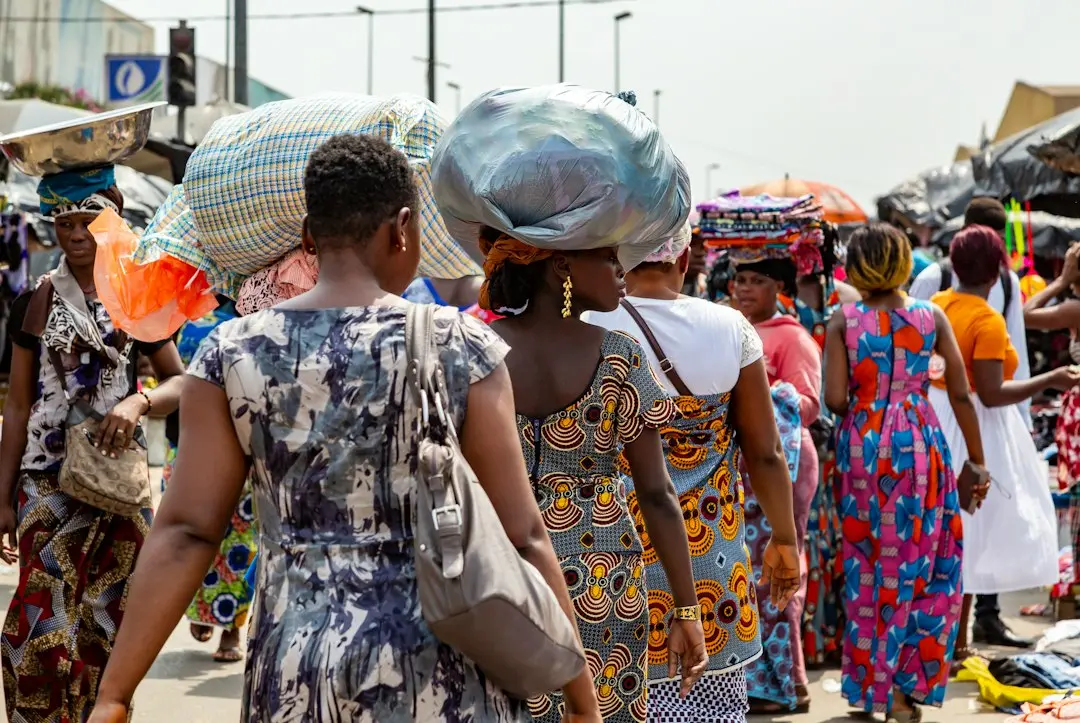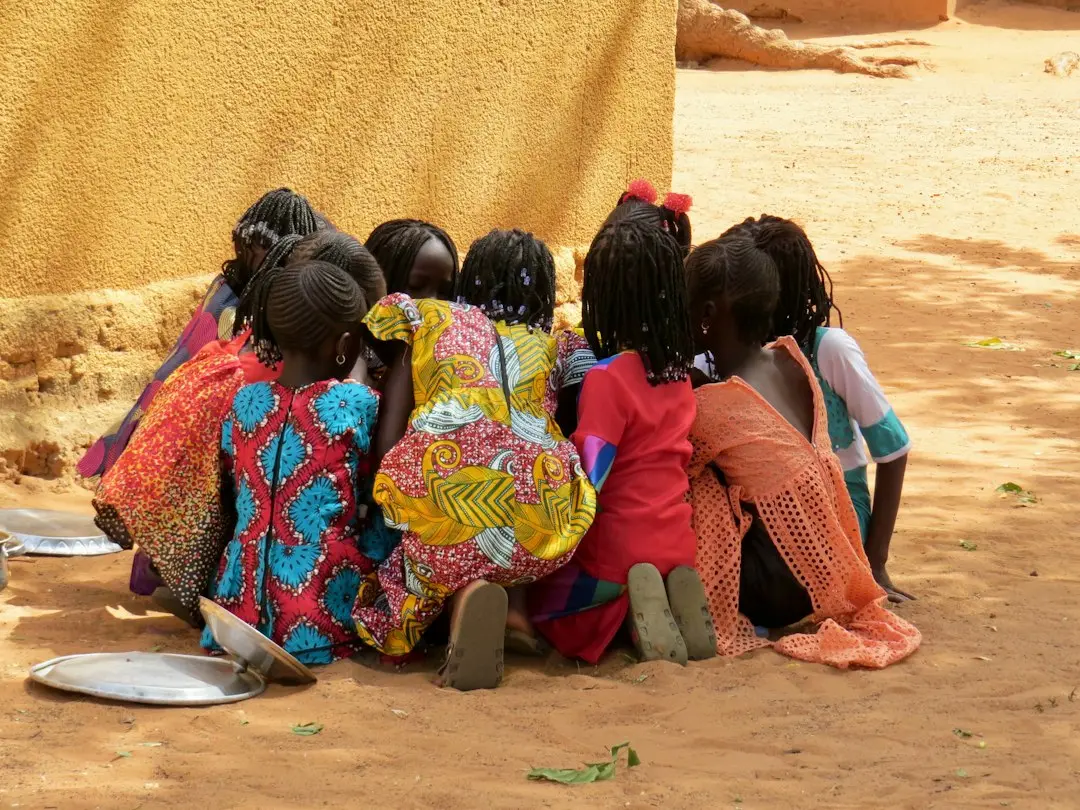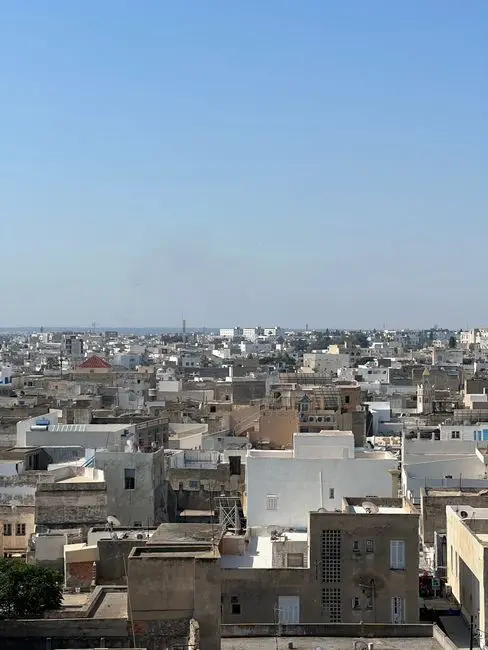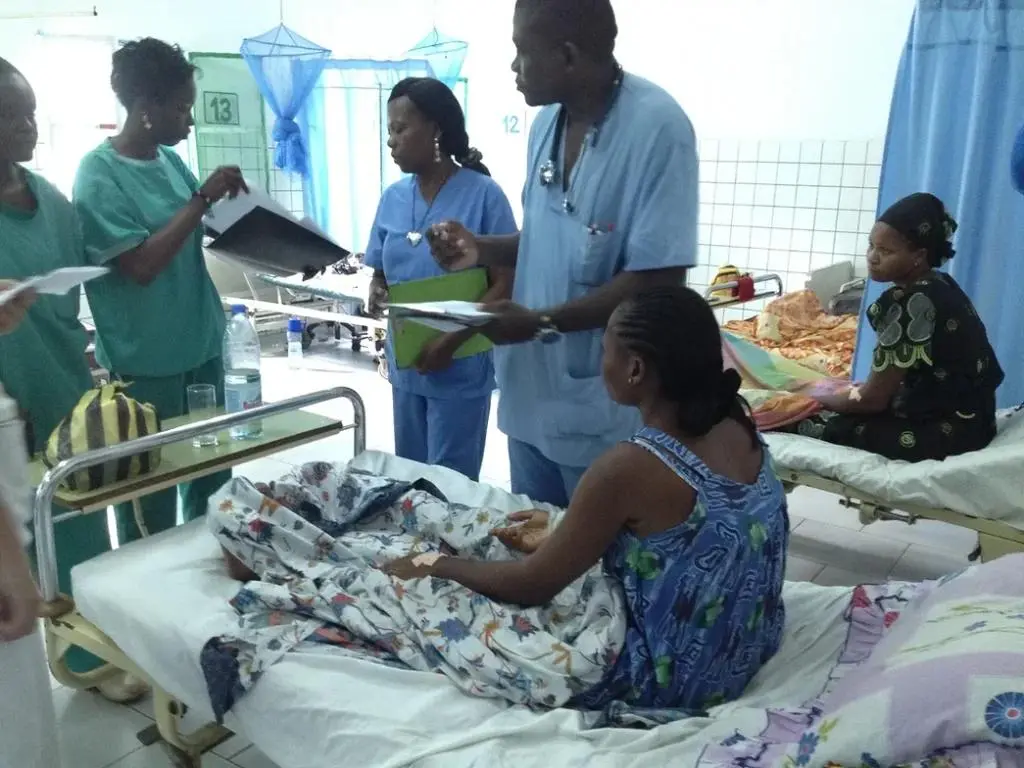




In the bustling alleyways of Conakry, between the honking of yellow taxis and the shouts of street vendors, a new generation of Guinean entrepreneurs is trying to redefine the rules of the game. They are young, connected, often self-taught, and dream of transforming their country into a hub of innovation. But in the shadow of promises, formidable challenges are also taking shape.
Fertile but still fragile ground
Guinea, long perceived as an economically landlocked country, is beginning to attract the attention of foreign investors. With economic growth estimated at 5.7% in 2023 according to the African Development Bank, the country is showing signs of openness. The private sector, still in its infancy, is becoming a strategic development lever.
“There is a real enthusiasm among young people to create their own businesses”, explains Mariama Diallo, founder of an incubator in Labé. “But the ecosystem remains fragile. There is a lack of financing, infrastructure, and above all, appropriate support.”
In 2022, nearly 68% of young Guineans said they wanted to start their own business, according to a survey conducted by the National Employment Observatory. Yet fewer than 10% manage to bring their project to fruition. The gap between ambition and reality remains deep.
Digital technology, a gateway to the world
In an internet café in Nzérékoré, Ibrahima, 24, codes an e-commerce website on an aging computer. “I taught myself on YouTube”, he says with a smile. “I want to sell the handicraft products from my region abroad. We need to show what we can do here.”
Digital technology has become an unexpected springboard for young Guinean entrepreneurs. Thanks to growing access to the Internet — now estimated at 33% of the population — new opportunities are emerging: freelancing, online commerce, mobile applications adapted to local realities.
Startups such as GuinéeTech and Kouran Energie are betting on technological solutions to meet basic needs: access to energy, water, and healthcare. “We have the ideas, we just need the right tools”, says Abdoulaye Bah, engineer and co-founder of an e-learning platform. “Digital technology allows us to bypass traditional obstacles.”
Risks not to be underestimated
But this rush toward entrepreneurship is not without dangers. The absence of a clear legal framework, corruption, and political instability are dampening enthusiasm. In 2021, Guinea experienced a coup d’état that cast doubt among many investors.
“My project was ready, but the banks refused to back me after the change of regime”, confides Fatoumata Camara, promoter of a recycling company in Kindia. “I lost two years of work.”
Young entrepreneurs also face strong social pressure. In a country where unemployment affects nearly 60% of those under 35, striking out alone without a safety net is a risky bet. Many give up, discouraged by administrative delays or hidden costs.
The call of the diaspora
Faced with these obstacles, the Guinean diaspora is playing an increasingly strategic role. Settled in Europe, the United States, or Canada, many Guineans are investing in their country of origin. They bring funds, but also ideas, networks, and a different vision of entrepreneurship.
“I left Paris to launch an agroecological farm in Mamou”, recounts Amadou Barry, a former IT engineer. “It was a crazy bet, but I wanted to show that you can succeed here with modern methods.”
The government is trying to harness this energy. Initiatives such as the “Diaspora Week” or tax incentives for foreign investments are beginning to emerge. But their impact is still limited by a lack of coordination and follow-up.
Women, the silent driving force
In markets, tailoring workshops, and agricultural cooperatives, Guinean women carry a large part of the informal economy. Yet they remain underrepresented in the spheres of innovation and digital technology.
“We are not taken seriously when we talk about technology”, laments Aïssatou Keïta, founder of a delivery startup in Conakry. “But we are here, and we innovate in our own way.”
Programs such as “She Leads Africa” and “Women in Tech Guinée” are trying to correct the situation. In 2023, the number of women entrepreneurs in the formal sector increased by 18%. A figure that is still modest, but revealing of an ongoing change.
A youth put to the test of the future
Guinea is at a crossroads. Between the momentum of a youth eager for change and the weight of a system that is still locked down, the future of entrepreneurship remains uncertain. But hope does not waver.
“We no longer have a choice”, sums up Mohamed Sylla, an economics student. “Either we build our future here, or we keep running away. I have chosen to stay.”
What if this often invisible generation carried within it the seeds of a silent revolution?