


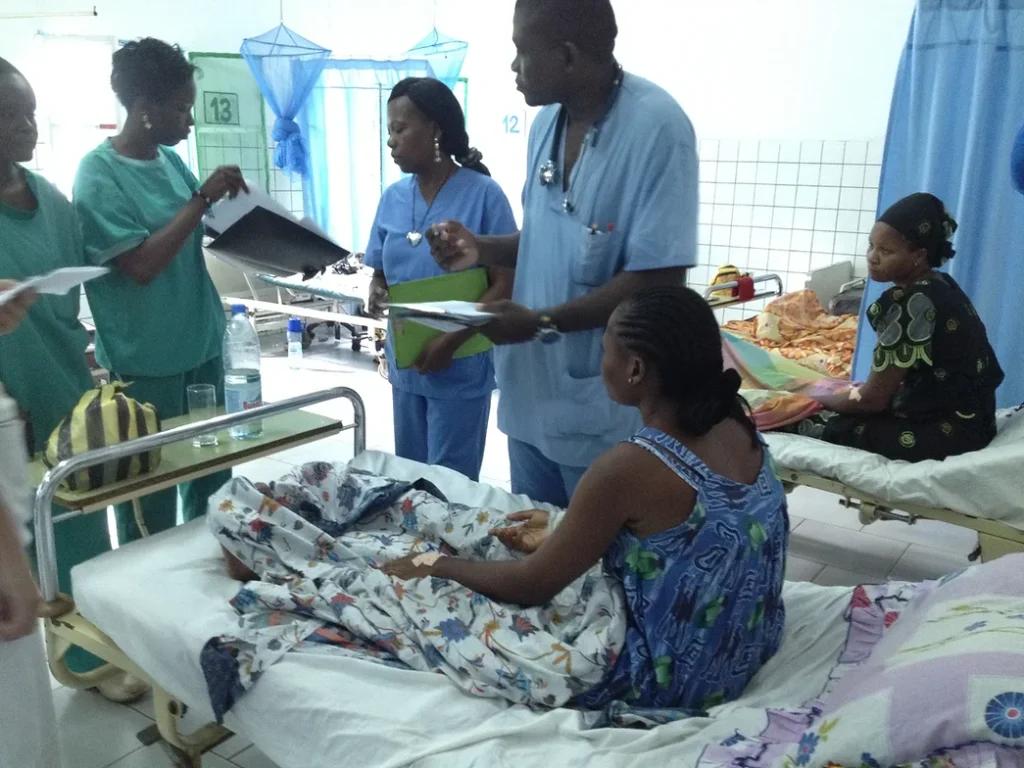
In recent decades, Africa has made significant progress in health. Child mortality has declined, life expectancy has improved, and access to certain treatments has expanded. These advances remain fragile, however, and highly uneven across territories. Burundi, Sénégal, Soudan du Sud, Éthiopie, and Southern Africa illustrate the diversity of challenges that African health systems must address today.
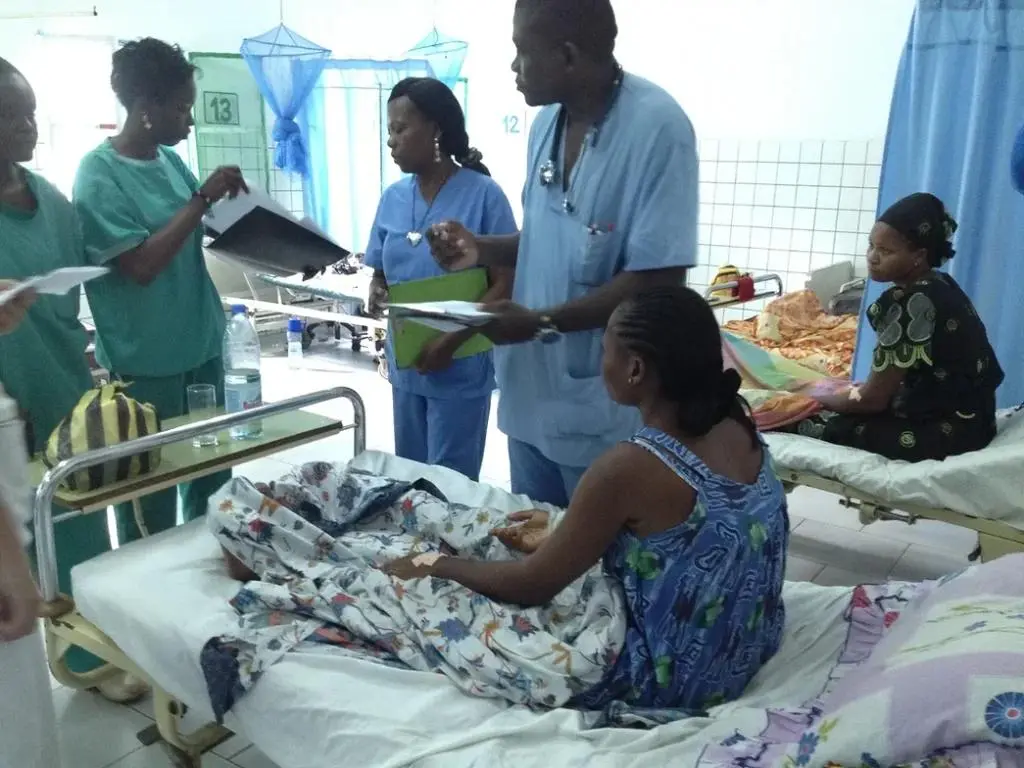
Shortage of qualified personnel, remoteness of medical facilities, cost of care, conflicts, climate disruption, and the rise of chronic diseases: the issues go far beyond simply building hospitals. To sustainably improve population health, it is also necessary to strengthen community care, train professionals, and involve communities in decisions that affect them.
Different needs, but common fragilities
Talking about “health in Africa” can give the impression of a uniform situation. Yet the continent’s realities are multiple. Some countries have high-performing hospital centres and highly qualified professionals, while rural areas remain deprived of basic health services. Considerable gaps can also exist within a single country, particularly between major cities and isolated territories.
Health systems must also confront a double burden. To infectious diseases such as malaria, tuberculosis, HIV, and respiratory infections, non-communicable conditions are now added: diabetes, cancers, hypertension, and cardiovascular diseases. This shift requires the simultaneous development of prevention, screening, maternal and child care, and long-term follow-up.
In Burundi, bringing care closer to rural populations
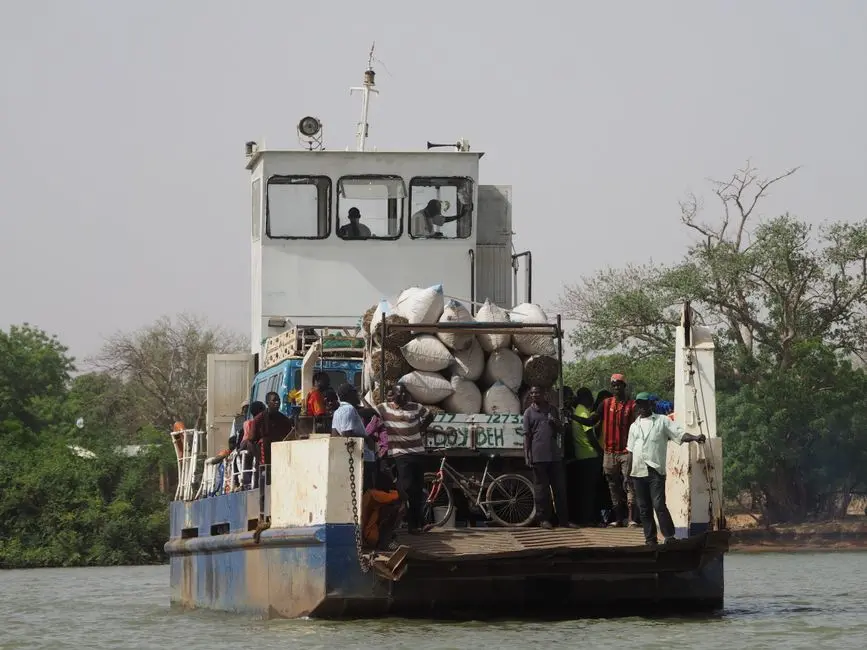
In Burundi, a large share of the population lives in rural areas. For some families, reaching a health centre involves a long, costly, and sometimes difficult journey. This problem is particularly concerning for pregnant women, newborns, and young children, for whom a delay in care can have serious consequences.
Strengthening primary health care is therefore a priority. It requires having a sufficient number of properly trained staff, as well as medicines, equipment, and awareness-raising resources. Community health workers can play a decisive role by informing families, identifying at-risk situations, and rapidly directing patients to appropriate facilities.
In Sénégal, reducing territorial inequalities
Sénégal has made notable progress in several areas of public health. Yet access to care remains unequal between Dakar, other urban centres, and certain rural or peripheral areas. Distance, the lack of specialists, and out-of-pocket expenses can still delay people from seeking care.

Maternal and child health, nutrition, vaccination, and sexual and reproductive health remain essential issues. The country must also anticipate the rise of chronic diseases, which requires regular prevention and screening efforts. In this context, the ongoing training of healthcare workers and the organisation of community-based services make it possible to act before complications necessitate hospitalisation.
In Soudan du Sud, providing care in a context of prolonged emergency
Soudan du Sud faces a particularly difficult situation. Conflicts, population displacement, flooding, and food insecurity have severely weakened its health system. Many communities still depend on precarious facilities and humanitarian aid to receive essential care.
Women and children are among the first victims of this instability. According to a regional fact sheet from the World Health Organization, Soudan du Sud ranked in 2020 among the countries with the highest levels of maternal mortality in the world. In such a context, training midwives, maintaining reproductive health services, and organising mobile care can literally save lives.
In Éthiopie, responding at the scale of a vast territory
With a large population and a very extensive territory, Éthiopie must meet a challenge of scale. The progress achieved through the development of community care is real, but some regions remain difficult to serve. Droughts, food crises, forced displacement, and local tensions heighten health risks.
Malnutrition, maternal health, access to clean water, and epidemic prevention remain closely interlinked. When a family lacks water, food, or income, its ability to seek and follow treatment diminishes. Health action must therefore be integrated into a broader approach, taking into account living conditions and community resilience.
In Southern Africa, strong capacities but persistent inequalities
Southern Africa has advanced medical infrastructure and recognised expertise. It nevertheless remains marked by deep social and territorial inequalities. The quality and availability of care vary greatly between the public and private sectors, affluent neighbourhoods, townships, and rural areas.
The country must continue to fight HIV and tuberculosis while facing the rise of diabetes, obesity, hypertension, and cardiovascular diseases. This coexistence of infectious and chronic diseases places significant pressure on health facilities and professionals. It shows that prevention, health education, and community-based follow-up are just as important as hospital treatments.
Amref, an African organisation in service of sustainable solutions
Present for more than sixty years, Amref Health Africa is an international public health organisation born in Africa. Its mission rests on a simple conviction: the most effective solutions are those built with populations and adapted to local realities.
The organisation works notably in the training of health personnel, women’s and children’s health, disease prevention, access to water and sanitation, and the strengthening of health systems. It relies on healthcare workers, midwives, community health workers, associations, and local authorities to produce lasting improvements.
Training a professional does not only benefit one patient. Over the course of their career, that professional will be able to support hundreds, or even thousands, of people, share their knowledge, and improve the quality of care throughout their community. Support given to Amref thus acts as a long-term investment. Everyone can contribute to this mobilisation and make a donation to Amref to support its programmes.
Making health a driver of development
Improving health does not consist solely of combating disease. A healthier population can study, work, start businesses, and participate in the development of their territory to a greater extent. Conversely, illness weakens families, reduces their incomes, and deepens inequalities.
From Burundi to Southern Africa, by way of Sénégal, Soudan du Sud, and Éthiopie, priorities differ, but one same necessity prevails: making health systems more accessible, more robust, and closer to communities. By supporting training and local actors, Amref helps transform every health advance into lasting progress for future generations.
The Les Afriques newsletter
L’essentiel de l’économie africaine — guides, comparatifs et analyses — dans votre boîte mail chaque semaine.