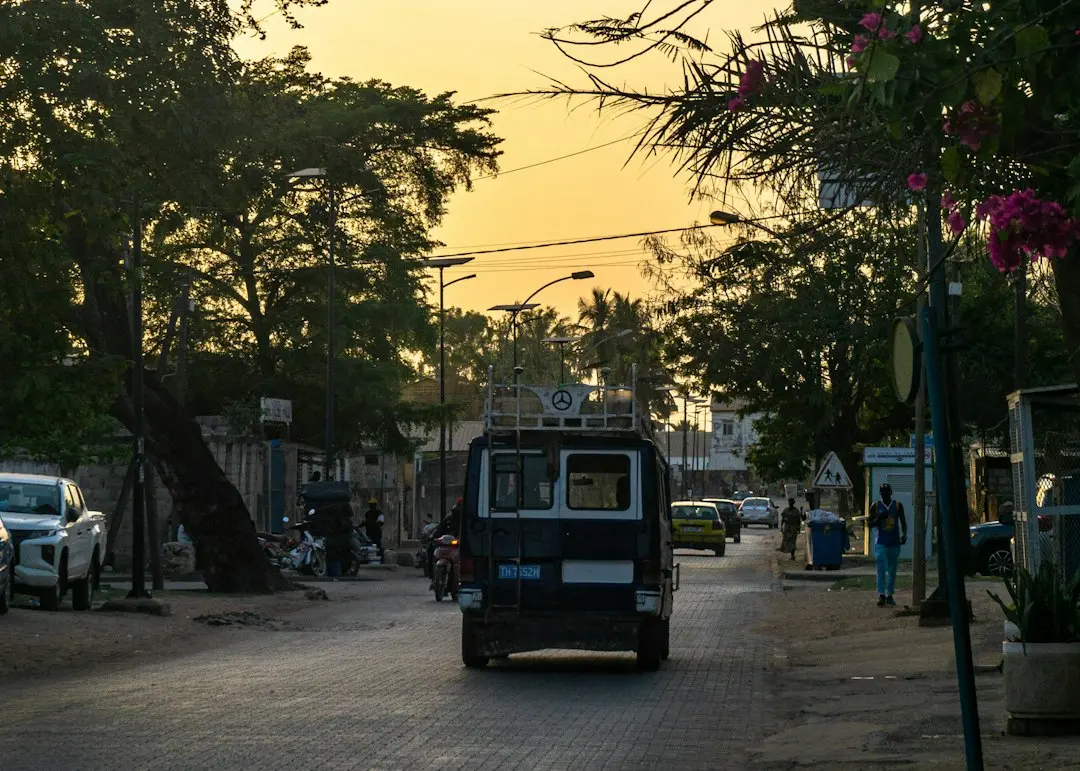



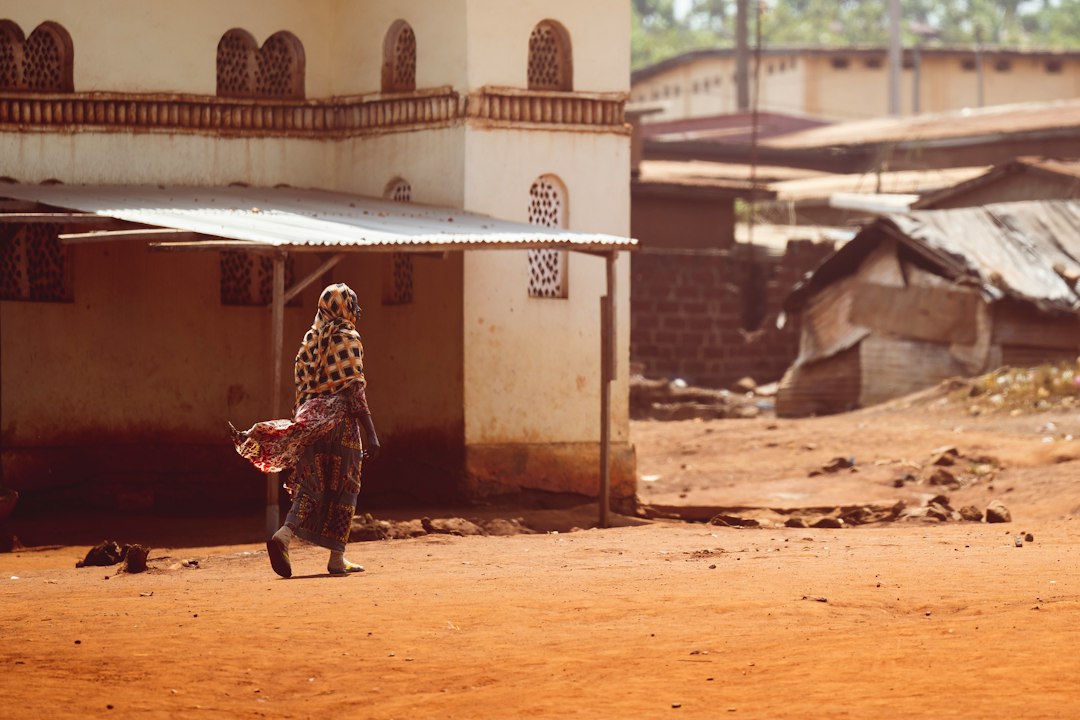
Earthen classrooms, degraded latrines, housing without water or electricity for which rent is nonetheless demanded, impassable tracks cutting off entire communities from urban centers: such is the daily reality of schoolteachers assigned to remote areas of the department of Sassandra, in southwestern Côte d’Ivoire. A tour conducted by the Agence Ivoirienne de Presse (AIP) through several villages and settlements — Inahiri, Effikouassikro, Garoubré, Grédjibré and Zaébré — paints a troubling picture, far removed from official discourse on the modernization of the Ivorian school system.
Infrastructures that fall short
The condition of the schools visited illustrates a persistent gap between isolated rural areas and better-equipped urban centers. Some classrooms are built with precarious materials, with large class sizes and insufficient or inadequate teaching materials. The absence of fencing at several establishments leaves educational spaces open to motorcycles, pedestrians and animals — a reality that disrupts teaching and raises safety concerns for both pupils and teachers.
The latrines reserved for teachers are, in several villages, in a state of advanced deterioration, exposing users to real health risks. In the event of a serious health problem, travel to a medical facility in town is done by motorcycle or in shared transport vehicles themselves constrained by the condition of the tracks.
Remoteness as a factor of attrition
The question of access is central. The roads serving these localities are often degraded, making every journey grueling. Available public transport operates under sometimes difficult conditions, with overcrowding and poorly suited vehicles. The instability of mobile phone networks adds an additional layer of isolation: teachers struggle to maintain contact with their loved ones and to complete certain administrative or online banking tasks.
This latter constraint is directly linked to a documented security issue: teachers had been victims of attacks after withdrawing their salaries from urban banks. While this phenomenon has decreased according to AIP findings, thefts from homes during school holidays are still being reported.
Housing, the blind spot of assignment policies
Upon arrival, newly appointed teachers often have to make do with housing built from precarious materials, lacking electricity and running water. Despite these conditions, landlords demand monthly rent. This situation raises a question that the AIP report does not resolve: are the staff quarters provided by the State nonexistent, insufficient, or simply unmaintained in these localities? The absence of an official response on this point leaves teachers alone to deal with private landlords in an informal rental market.
Secondary school teachers and supervisory staff assigned to local colleges in the area face comparable difficulties, according to the AIP, indicating that the problem extends beyond the primary cycle alone.
A predictable brain drain
Faced with this environment, some teachers opt for an upward exit: sitting professional competitive exams to access other positions within the education system, away from remote areas. This individual mobility, while understandable, in turn undermines pedagogical continuity in localities that are already short of qualified human resources.
The teachers interviewed are calling for support from local authorities and the Ministry of National Education. They also raise the question of an incentive allowance, a demand expressed by their colleagues in several regions of the country. This financial lever — compensating for isolation through a salary supplement — is practiced in other African countries to retain teachers in rural areas, but its application in Côte d’Ivoire remains, according to this report, yet to be built.
The situation in Sassandra is probably not an exception. It raises structural questions about teacher assignment policy, the maintenance of rural school infrastructure and the State’s capacity to make posts in remote areas genuinely attractive — conditions without which the objective of quality education for all will remain difficult to achieve outside major urban centers.
Source: AIP (Agence Ivoirienne de Presse), 30 September 2026
Further reading
See also
- Louga: 41 deaths and more than 1,000 accidents in six months, ANASER steps up awareness
- Women’s philanthropy in Côte d’Ivoire: three decades, three organizations, one shared priority for the vulnerable
- Sénégal: one tonne of subsidized fertilizer seized at the Guinean border, the black market in question
The Les Afriques newsletter
L’essentiel de l’économie africaine — guides, comparatifs et analyses — dans votre boîte mail chaque semaine.