



Africa is establishing itself in 2026 as one of the last great frontiers of global investment. With a population exceeding 1.5 billion people, an accelerating urbanization rate and a rapidly growing middle class, the continent offers unparalleled opportunities for savvy investors — whether diaspora members, foreign entrepreneurs or institutional funds. Yet investing in Africa requires a rigorous approach: economic, regulatory and political realities vary considerably from one country to another. Nigeria and the DRC bear no resemblance to Morocco or Kenya. High-potential sectors — mining, agritech, construction, gas, fintech — present very distinct risk and return profiles. This comprehensive guide offers an exhaustive mapping of the best investment opportunities in Africa in 2026, country by country and sector by sector, to help you make informed decisions before diving deeper into our dedicated fact sheets.
Why invest in Africa in 2026?
Macroeconomic fundamentals argue in favor of greater engagement on the African continent. The African Continental Free Trade Area (AfCFTA) continues to gain momentum, facilitating intra-African trade and reducing tariff barriers. Several economies are posting GDP growth rates above 5%, driven by domestic consumption, infrastructure and commodities. The digital revolution is profoundly transforming business models, particularly in financial services, healthcare and agriculture. For investors in the African diaspora, 2026 also represents a strategic window: remittances are reaching record levels and governments are multiplying welcome programs. Discover our comprehensive guide to investing in Africa in 2026 for the diaspora, which details market access mechanisms for Africans abroad wishing to anchor their capital on the continent.
Nigeria: the indispensable economic powerhouse
Africa’s largest GDP, its biggest consumer market with over 220 million inhabitants, Nigeria remains a mandatory stop for any serious investor on the continent. Lagos concentrates one of the world’s most dynamic fintech ecosystems, while the oil and gas sector is beginning a transition toward greater local processing. The economic reforms undertaken since 2023 — exchange rate unification, removal of fuel subsidies — have cleaned up the macroeconomic framework, even though inflation and naira instability remain factors requiring vigilance. Agritech, construction and renewable energies offer attractive returns for patient capital. For a complete analysis of risks and sectoral opportunities, consult our guide investing in Nigeria in 2026.
Kenya: the Silicon Savannah and agritech innovation
Nairobi has established itself as the technology capital of East Africa. Kenya benefits from a mature business environment, a developed digital infrastructure and a skilled English-speaking workforce. M-Pesa has made the country a global laboratory for mobile payments, and the resulting startup ecosystem attracts venture capitalists from around the world. Agritech represents a particularly promising growth sector: with more than 70% of the active population engaged in agriculture, precision solutions, agricultural financing and cold chain logistics offer immense opportunities. Tourism, clean energy (geothermal, solar) and Nairobi’s real estate sector complete an appealing investment picture. Our detailed fact sheet investing in Kenya in 2026 analyzes the best sectoral entry points and regulatory risks to anticipate.
Sénégal: emergence driven by gas and construction
Sénégal reached a historic milestone in 2024 by becoming a hydrocarbon producer. Offshore natural gas deposits (the GTA project with BP and Kosmos Energy) are profoundly transforming the country’s economic outlook for the years ahead. This gas windfall is generating a multiplier effect on construction, business services and port logistics. Dakar is also establishing itself as a premium tourist destination moving upmarket, with hotel and luxury residential projects attracting real estate investors from the Senegalese diaspora. Political stability and institutional quality make Sénégal one of the safest investment environments in sub-Saharan Africa. To go further, our guide investing in Sénégal in 2026 details the priority sectors and available support mechanisms.
Morocco: the gateway to Africa and a consolidated regional hub
Morocco occupies a unique strategic position: a stable emerging economy, a logistics hub between Europe and sub-Saharan Africa, and a pivot point for pan-African investments. With the mega-project of the Tanger Med port, the rise of the automotive industry (Renault, Stellantis) and strong ambitions in renewable energies — particularly wind and solar — the Kingdom attracts massive FDI. The co-hosting of the 2030 World Cup with Spain and Portugal further amplifies needs in tourism, transport and hospitality infrastructure. For the Moroccan diaspora based in Europe, the real estate market and family SMEs represent preferred investment vehicles. Our comprehensive guide investing in Morocco in 2026 accompanies you step by step in this process.
DRC: the mining giant facing its structural challenges
The Democratic Republic of Congo alone concentrates mineral reserves estimated at more than $24,000 billion. Cobalt, coltan, lithium, copper: the country holds the key raw materials of the global energy transition. This exceptional endowment makes it an unavoidable destination for mining investors, but also one of the most complex to navigate. Insecurity in the east of the country, institutional fragility and corruption risks require thorough due diligence and solid local partnerships. Conversely, the agricultural sector — the DRC has 80 million hectares of arable land — and renewable energies (hydroelectricity) offer long-term prospects. Our detailed analysis investing in the DRC in 2026 provides an honest picture of real opportunities and indispensable precautions.
Côte d’Ivoire: the UEMOA locomotive and the diaspora’s choice
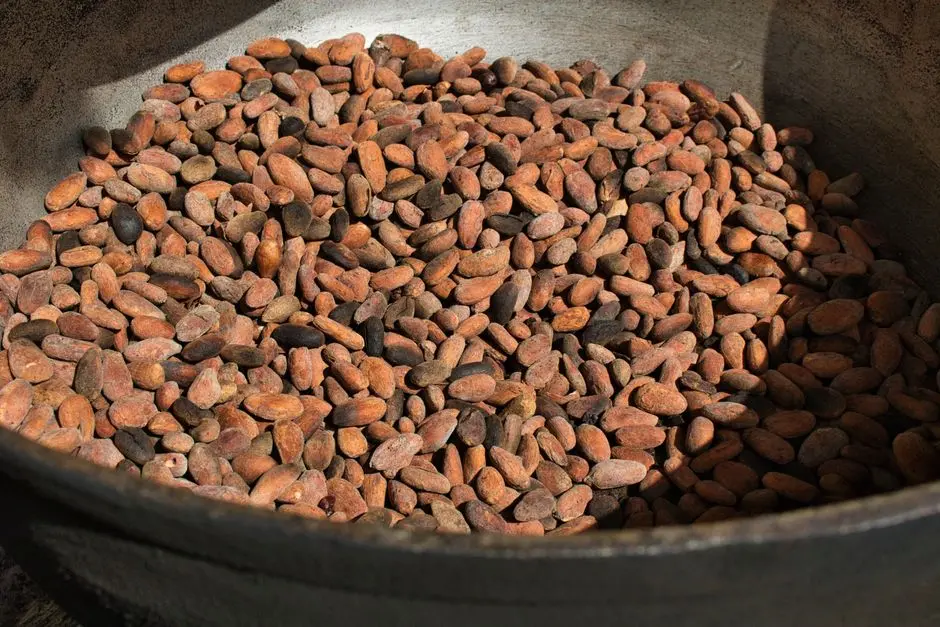
Abidjan has re-established itself as the economic capital of francophone West Africa. With GDP growth regularly exceeding 6%, driven by cocoa, construction, trade and financial services, Côte d’Ivoire offers a particularly attractive investment landscape. The National Development Plan (PND) is generating massive opportunities in infrastructure, energy and commercial real estate. For the Ivorian diaspora based in France, the residential market in Abidjan and distribution SMEs represent the most accessible entry points. The UEMOA framework guarantees monetary stability that is appreciable compared to other sub-Saharan markets. For investors based in France, our guide investing in Côte d’Ivoire from France details the priority sectors and risks to properly calibrate.
High-potential sectors in Africa in 2026
Beyond national specificities, several cross-cutting sectors concentrate the most significant investment flows at the continental level. Mining and natural resources remain the primary FDI vehicle, driven by global demand for metals needed in the energy transition. Agritech is revolutionizing the agricultural sector through drones, precision farming and digital financing for farmers. Construction benefits from accelerated urbanization — 600 million additional Africans will live in cities by 2050. Natural gas (Sénégal, Mozambique, Tanzania) positions several countries as future major exporters. Fintech and digital health services complete this panorama of high-potential sectors. The African diaspora is a key player in these dynamics: our analysis African diaspora: where to invest in Africa? identifies the best allocation strategies based on country of origin and investor profile.
Real estate, business and agriculture: the three pillars of diaspora investment
The African diaspora transfers more than $100 billion to the continent every year — more than official development aid. A growing share of these flows is being transformed into productive investments rather than simple consumption. Residential real estate in capital cities (Dakar, Abidjan, Nairobi, Casablanca) constitutes the most natural entry point, offering both protection against inflation and a tangible asset. Business — franchise, distribution, restaurants, e-commerce — represents the second pillar, with accessible entry tickets. Agriculture, finally, is attracting a new generation of diaspora investors drawn by the returns from market gardening, modern livestock farming or agroprocessing. Our in-depth survey real estate, business, agriculture: where is the diaspora investing? maps these trends with concrete data and investor testimonials.
Country risks and practical advice for investing in Africa
Investing in Africa in 2026 requires mastering a map of specific risks: political risk and institutional instability, currency risk (naira, franc CFA, shilling), regulatory and tax risk (repatriation of profits, customs duties), operational risk (access to energy, logistics, labor). Among universal best practices: rely on solid and identified local partners, structure investments through regional holding companies to optimize intra-African taxation, use guarantees offered by MIGA (World Bank) or ATIDI to cover political risks, and prioritize sectors benefiting from a clear regulatory framework. Investment promotion agencies (CEPICI in Côte d’Ivoire, ANAPI in the DRC, Invest in Morocco) offer valuable one-stop shops for new entrants. Legal and accounting due diligence conducted by recognized local firms remains absolutely essential before any significant capital commitment.
All our guides on Investing in Africa
- Investing in Africa 2026: comprehensive country-by-country guide for the diaspora — The country-by-country panorama intended for members of the African diaspora wishing to structure their investment strategy.
- Investing in Nigeria in 2026: opportunities, risks and practical guide — Everything you need to know before investing in Africa’s largest economy.
- Investing in Kenya in 2026: Silicon Savannah, agritech and practical guide — How to benefit from Kenya’s technological and agricultural dynamism.
- Investing in Sénégal in 2026: gas, tourism, construction and practical guide — Gas-producing Sénégal and its new sectoral opportunities decoded.
- Investing in Morocco in 2026: comprehensive guide for the diaspora and businesses — Regional hub, World Cup 2030, clean energy: Morocco as a strategic entry point.
- Investing in the DRC in 2026: mining, agriculture and real opportunities — The DRC’s immense potential and the indispensable precautions before investing there.
- African diaspora: where to invest in Africa? — The strategic guide to choosing the right country based on your profile and objectives.
- Investing in Côte d’Ivoire from France: sectors and risks — A practical how-to guide for investors based in France targeting the Ivorian market.
- Real estate, business, agriculture: where is the diaspora investing? — An analysis of African diaspora investment trends in 2026.
Conclusion: your roadmap for investing in Africa in 2026
Investing in Africa in 2026 is neither a risky gamble nor an approach reserved for large international groups. It is an accessible strategy, provided you adopt the right method: choose the country based on your personal risk profile, identify sectors aligned with local megatrends, surround yourself with reliable partners and legally structure your investments from the outset. The continent offers returns that mature markets can no longer provide, driven by a young demographic, accelerated urbanization and rapid digitalization. Whether you are a diaspora member looking to reconnect your capital to your roots, a foreign entrepreneur in search of new markets or an institutional investor seeking diversification, our country guides provide all the keys to take action. Explore the dedicated fact sheets above and build your African strategy with reliable, up-to-date information.
Frequently asked questions
What is the best African country to invest in in 2026?
There is no universal answer: the best country depends on your target sector, your appetite for risk and your investment horizon. Morocco and Kenya offer the most stable regulatory environments, Nigeria and the DRC the highest return potential (with proportional risks), while Sénégal and Côte d’Ivoire represent excellent risk/return compromises for francophone diaspora investors.
How can members of the African diaspora invest in Africa?
The diaspora has several access vehicles: residential real estate in major capital cities (entry ticket often accessible from 30,000 €), creating or acquiring SMEs through local partners, Africa-specialized investment funds, or sovereign bonds of certain states. The key is to rely on a trusted local network — family, diaspora associations, bilateral chambers of commerce — and to consult our dedicated diaspora guide for a structured approach.
What are the main risks to anticipate before investing in Africa?
The main risks are currency risk (devaluation of local currencies), political and regulatory risk (sudden legislative changes, government instability), operational risk (power cuts, failing logistics) and capital repatriation risk. These risks can be largely mitigated by appropriate legal structuring, investment guarantees (MIGA, ATIDI) and the choice of solid local partners.
Which African sectors should you invest in for attractive returns in 2026?
The sectors offering the best prospects in 2026 are: agritech and agroprocessing (strong need for modernization, growing domestic markets), renewable energies (solar, wind, hydroelectricity — driven by energy deficits), construction and affordable residential real estate in expanding capitals, fintech and digital health services. Mining and natural gas remain high-performing but require higher entry tickets and specific sectoral expertise.
Should you set up a local company to invest in Africa or can you invest from abroad?
In most African countries, creating a local entity (SARL, SA or subsidiary) is strongly recommended in order to benefit from local tax incentives, facilitate banking operations and reassure local partners. Some sectors (mining, agricultural land) even require a mandatory local presence or a minimum local shareholding. It is, however, possible to hold these structures through a holding company based in a tax-advantaged country (Mauritius, Kenya for East Africa) to optimize dividend repatriation.
See also
- Investing in the DRC in 2026: mining, agriculture and real opportunities
- Investing in Nigeria in 2026: opportunities, risks and practical guide
- Investing in Kenya in 2026: Silicon Savannah, agritech and practical guide
- Investing in Sénégal in 2026: gas, tourism, construction and practical guide
- Investing in Morocco in 2026: comprehensive guide for the diaspora and businesses
- Investing in Côte d’Ivoire from France: sectors and risks
See also
- Investing in the DRC in 2026: mining, agriculture and real opportunities
- Investing in Nigeria in 2026: opportunities, risks and practical guide
- Investing in Kenya in 2026: Silicon Savannah, agritech and practical guide
- Investing in Sénégal in 2026: gas, tourism, construction and practical guide
- Investing in Morocco in 2026: comprehensive guide for the diaspora and businesses
- Investing in Côte d’Ivoire from France: sectors and risks
See also