


In 2026, a content creator based in Abidjan, Dakar or Kinshasa no longer needs to wait years to earn the YouTube golden button. TikTok and Instagram Reels have radically redefined the rules of the game for thousands of African creators who, until now, were running up against geographical barriers and eligibility criteria from a platform historically centered on Western markets. The race for digital monetization has opened up — and sub-Saharan Africa is far from absent.
Why YouTube is no longer enough for African creators
For nearly a decade, YouTube represented the golden promise of content creation in Africa. Yet its Partner Program access conditions — 1,000 subscribers and 4,000 watch hours — combined with particularly low RPMs (revenue per thousand views) on the African continent, discouraged many talents.
In practice, a Nigerian or Senegalese creator can generate millions of views on YouTube and earn revenues ten to fifteen times lower than those of a European counterpart for the same content. The reason is simple: local advertisers still invest insufficiently in programmatic advertising, which drives CPMs (cost per thousand impressions) down.
It is in this context that TikTok monetization in sub-Saharan Africa and revenues generated by Instagram Reels have become serious and complementary alternatives for African content creators.
TikTok in sub-Saharan Africa: a maturing monetization ecosystem
The TikTok Creator Fund and its continental limitations
TikTok has progressively expanded its Creator Fund to several sub-Saharan African countries. In 2026, countries such as Nigeria, Ghana, Kenya and South Africa are among the markets eligible for certain direct compensation schemes. However, the reality remains nuanced: payments through the Creator Fund remain modest, often between 0.02 and 0.04 dollars per thousand views.
The real revolution came with TikTok LIVE and virtual gifts. In French-speaking Africa in particular — Côte d’Ivoire, Sénégal, Cameroun, RDC — creators have built tight-knit communities that support them financially through gifting sessions. A well-hosted daily live can bring in between 50 and 300 dollars per session for the most popular profiles.
The Creator Marketplace: the gateway to brands
The TikTok Creator Marketplace has established itself as the most profitable tool for content creators in Africa on YouTube alternative platforms. Local brands (telecoms, banks, agri-food) as well as international companies seeking to enter African markets find authentic and engaged profiles there.
- MTN, Orange and Airtel invest heavily in TikTok partnerships to reach urban youth
- African cosmetics brands (Dark & Lovely, Cantu Africa) favor TikTok creators for their launches
- Fintech startups (Wave, Moov Money) use local creators to promote their services
A nano-creator with 10,000 engaged followers can aspire to paid collaborations between 100 and 500 dollars per sponsored post. For macro-creators (more than 500,000 followers), rates easily reach 2,000 to 10,000 dollars per campaign.
Instagram Reels: revenues in French-speaking Africa are gaining momentum
The Reels bonus program and its African rollout
Meta has progressively deployed its bonus program for Instagram Reels revenues in French-speaking Africa. In 2026, some creators from West Africa and Central Africa report receiving invitations to the Reels Play Bonus program, although the rollout remains uneven depending on the country.
This program rewards creators based on the cumulative number of views on their Reels over a given period. Amounts vary, but Ivorian and Cameroonian creators report earnings ranging from 200 to 1,500 dollars monthly for accounts regularly reaching one million views.
Affiliate marketing and influencer marketing: the real revenue driver
Beyond native programs, Instagram Reels has become the primary commercial showcase for African creators seeking partnerships. The combination of Stories + Reels + Posts offers a formidable conversion funnel for brands.
The most active sectors in terms of Instagram collaborations in sub-Saharan Africa in 2026:
- Fashion and beauty: contemporary African fashion (afroprint, modern dashiki, wax haute couture) attracts significant influence budgets
- Food and lifestyle: culinary creators showcasing local gastronomy (thiéboudienne, jollof rice, ndolé) are extremely popular with food brands
- Tech and finance: influencers who popularize cryptocurrencies, fintech and African entrepreneurship are highly sought after
- Travel and tourism: with the rise of intra-African tourism, travel creators showcasing destinations on the continent are multiplying partnerships
Concrete strategies to maximize revenues in 2026
Platform diversification: the golden rule
The best-performing African creators in 2026 never bet on a single platform. The dominant strategy consists of creating short-format content for TikTok and Reels, building an email or WhatsApp community for direct monetization, and using YouTube as a long-term archive and source of passive income.
Some creators go further by combining:
- Selling online courses through platforms like Selar (very popular in English-speaking and French-speaking Africa)
- Access to monetized private WhatsApp or Telegram groups (between 2 and 10 dollars per month)
- Selling physical products (merch, books, artisanal products) through their social audiences
The importance of local language content
A major trend in 2026: creators who produce content in local languages — wolof, dioula, lingala, haoussa, moore — record engagement rates well above continental averages. These hyper-loyal audiences are particularly attractive to brands wishing to reach population segments that French or English do not reach.
TikTok monetization in sub-Saharan Africa through content in national languages represents a still under-exploited but rapidly growing niche, particularly in the Sahel and Central Africa.
Obstacles that persist in 2026
Despite progress, several structural barriers still slow the development of digital monetization in sub-Saharan Africa:
- International payments: many creators still struggle to receive their revenues due to restrictions on PayPal, Stripe or SWIFT transfers in certain countries
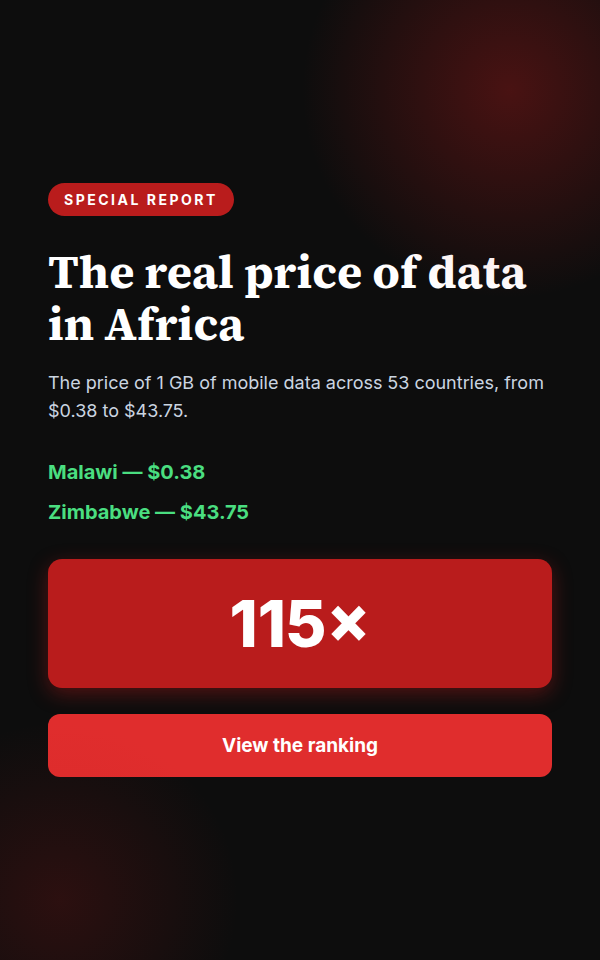
- Connectivity: the cost of mobile data remains high in several countries, limiting consumption and therefore engagement
- Platform policy instability: TikTok and Meta regularly modify their algorithms and monetization programs, often without clear communication toward African markets
- Digital taxation: several African states have introduced or strengthened taxes on digital services, complicating the situation of independent creators
FAQ: TikTok and Instagram Reels Monetization in Africa
Can creators from French-speaking Africa access the TikTok Creator Fund in 2026?
Access to the TikTok Creator Fund varies by country. In 2026, Nigeria, Ghana, Kenya and South Africa are the best-covered African markets. For French-speaking African countries (Côte d’Ivoire, Sénégal, Cameroun), direct monetization options via the Creator Fund remain limited, but LIVE gifting and the Creator Marketplace are accessible and often more profitable.
What is the average income of an African TikTok creator in 2026?
Revenues vary considerably depending on audience size, niche and monetization strategy. A micro-creator (10,000 to 50,000 followers) can expect between 100 and 800 dollars monthly by combining brand partnerships and LIVE gifting. Creators with more than one million active followers can exceed 5,000 dollars monthly through a multi-source strategy.
Is Instagram Reels more profitable than TikTok for African creators?
It all depends on the strategy. TikTok offers faster organic virality, which favors audience growth. Instagram Reels, backed by the Meta ecosystem, allows more precise advertising targeting and attracts often higher influence budgets from major brands. Combining both platforms remains the optimal strategy for African content creators on YouTube alternative platforms.
How can creators receive payments from TikTok or Meta in sub-Saharan Africa?
The most widely used options in 2026 include: transfers via Payoneer (available in most African countries), mobile money payments in certain partner markets, or the use of bank accounts in third-party countries. Solutions such as Flutterwave or Chipper Cash also facilitate the conversion and repatriation of digital revenues.
Is content in local African languages monetizable on these platforms?
Yes, and it is even a growing trend in 2026. TikTok and Instagram algorithms favor engagement, and content in local languages often generates interaction rates well above average. Local and regional brands are actively seeking creators capable of communicating in wolof, dioula, lingala or haoussa to reach highly targeted audiences.
Read also