



Investing in Africa in 2026 represents a concrete opportunity for the African diaspora, French investors, and entrepreneurs looking for high-growth markets. The continent shows an average growth rate of 3.8% according to the IMF, driven by rapid urbanization, an expanding middle class, and colossal infrastructure needs. This guide presents the most accessible countries for foreign investors, high-potential sectors, and pitfalls to avoid.
Why invest in Africa in 2026?
Several structural factors make Africa attractive for investment in 2026:
- Demographics: 1.4 billion inhabitants, median age of 19 — the youngest continent in the world. By 2035, Africa will represent 25% of the world’s active population.
- Urbanization: 600 million Africans will be living in cities by 2030, creating massive demand for housing, services, commerce, and transportation.
- Continental Free Trade Area (AfCFTA): gradually in force since 2021, it aims to create the world’s largest market by number of countries. Intra-African trade is expected to double by 2030.
- Mobile technologies: 615 million mobile subscribers in 2025, internet penetration rate at 43% and rising. African fintech (M-Pesa, Wave, Flutterwave) is redefining financial services.
- Natural resources: 60% of the world’s unexploited arable land, reserves of cobalt, lithium, uranium, oil, and gas at a time of energy transition.
The most accessible countries for investors in 2026
| Country | Ease of doing business | Priority sectors | Risk |
|---|---|---|---|
| Morocco | ★★★★★ | Industry, IT, tourism, real estate | Low |
| Kenya | ★★★★☆ | Tech, fintech, agriculture, energy | Moderate |
| Sénégal | ★★★★☆ | Gas, tourism, construction, agriculture | Moderate |
| Côte d’Ivoire | ★★★★☆ | Cocoa, construction, tech, services | Moderate |
| Nigeria | ★★★☆☆ | Tech, fintech, energy, FMCG | High |
| RDC | ★★☆☆☆ | Mining, agriculture, infrastructure | Very high |
High-potential sectors across the continent
Fintech and mobile financial services
Sub-Saharan Africa accounts for 70% of global mobile transactions (by volume). African fintech startups raised 2.4 billion USD in 2024. Morocco, Kenya, and Nigeria are the three main hubs. Banking penetration remains low (45% on average), leaving a market of hundreds of millions of unbanked individuals accessible via mobile.
Renewable energy
600 million Africans have no access to electricity. Off-grid solar projects, mini-grids, and large solar parks are attracting significant capital. Morocco (Noor Ouarzazate), Kenya (Olkaria geothermal), Ethiopia (Grand Renaissance), and South Africa are leading the way. Expected returns exceed 15% over 10 years in stable countries.
Agriculture and agro-industry
Africa imports 35 billion USD of food per year while possessing 60% of the world’s unexploited arable land. Agritech (drones, precision irrigation, cold chain) and local processing (flour, oil, juice) offer high-value-added opportunities, particularly in Sénégal, Côte d’Ivoire, and Kenya.
Real estate and construction
The urban housing deficit is estimated at 50 million units across the continent. Special economic zones (Morocco, Côte d’Ivoire, Nigeria), new city projects, and mixed residential-commercial complexes generate rental yields of 8 to 14% in economic capitals.
How to invest in Africa: legal structures
Depending on your profile (diaspora, SME, fund), several approaches exist:
- Direct investment: creation of an LLC, SAS, or local company — recommended for operational projects (commerce, services, production). Setup time: 3–15 days depending on the country.
- Real estate investment: acquisition of property through a local notary. Possible for non-residents in the majority of countries. Gross rental yields: 8–14%.
- Startup participation: via funds (AfricInvest, Partech Africa, Flourish) or direct deals. Minimum ticket often 50,000–500,000 USD.
- Government bonds or eurobonds: several countries issue bonds at 7–10% in USD (Kenya, Côte d’Ivoire, Sénégal). Access via international brokers.
- Productive diaspora transfers: sending funds to a family business (small shop, taxi, rental) — the most widespread but least structured form.
Detailed country guides
Find our country-by-country analyses with practical steps, tax regimes, and feedback from experience:
- Investing in Morocco in 2026: complete guide
- Investing in Sénégal in 2026: gas, tourism, and construction
- Investing in Kenya in 2026: Silicon Savannah and agri
- Investing in Nigeria in 2026: opportunities and risks
- Investing in RDC in 2026: mining and the real economy
- Investing in Côte d’Ivoire from France
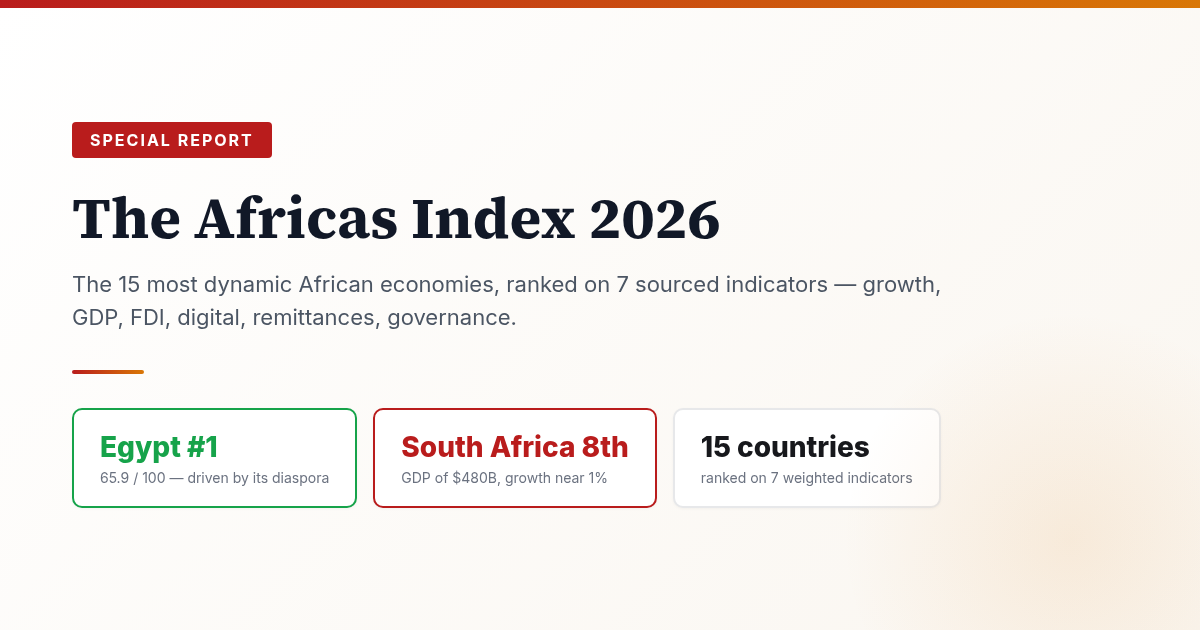
To understand the macroeconomic context before investing, consult our Africa GDP ranking 2026 and the salary levels by country.
FAQ — Investing in Africa 2026
What is the best African country to invest in in 2026?
Morocco remains the most favorable country for foreign investors (best African Doing Business ranking, developed infrastructure, political stability). Kenya is the number 1 choice for tech and fintech. Sénégal is showing strong growth thanks to gas and oil revenues expected since 2024-2025. Each country has its preferred sectors — there is no universal answer.
Do you need to be African or from the diaspora to invest in Africa?
No. The majority of African countries allow foreign investments (EU, USA, China, etc.) in almost all sectors. Certain sensitive sectors (media, agriculture, defense) may have restrictions. The African diaspora sometimes benefits from specific advantages (dual nationalities, knowledge of the local landscape, local networks) but this is not a requirement.
What are the main investment risks in Africa?
Risks vary by country: political instability (Sahel, RDC, Sudan), currency depreciation (Ghana, Nigeria, Ethiopia), counterparty risk in contracts, administrative slowness, and difficulty repatriating profits in certain countries. Morocco, Kenya, and Côte d’Ivoire present the lowest risks among Africa’s major economies.
What is the minimum ticket to invest in Africa?
A small shop or resale business can get started with 2,000–10,000 USD. A rental real estate project generally requires 30,000–100,000 USD depending on the country. A stake in a startup via a fund often requires a minimum of 50,000 USD. Government bonds are accessible from a few thousand dollars via brokers.
📌 Complete guide: Investing in Africa 2026: complete guide by country and sector
Also read