


There are books born from a commission, others from a conviction. Frédéric Sohounde’s book belongs to the second category. Entitled “Défis africains du Cyclisme at la CAN, cap sur Dakar 2026”, the journalist’s work presents itself as a crossroads between professional testimony and personal commitment to African sport.
One title, several sports, one shared ambition
The title of the work is in itself a programme: it encompasses both cycling and continental football — the Coupe d’Afrique des Nations — two disciplines with very different trajectories on the continent. African cycling still struggles to establish itself on the world stage despite recognised talents, while the CAN is one of the most widely followed sporting events in the world. Bringing these two worlds together in a single book reflects a bold editorial choice, which undoubtedly mirrors the author’s desire to address African sport in its entirety rather than in fragments.
The Afriques newsletter
- Free & no spam
- 1 email per week
- Unsubscribe in 1 click
The mention of Dakar 2026 — in reference to the Youth Olympic Games that the Senegalese capital is set to host — anchors the work in a specific current context and a continental ambition: that of making Africa a visible actor, and not merely a backdrop, in major international competitions.
Women and youth at the heart of the discussion
According to the Agence de Presse Sénégalaise (APS), which relays the publication, the book is above all “a tribute to women and young people” in African sport. This positioning is not incidental. African female athletes often operate in precarious conditions, with limited institutional support and marginal media coverage. Placing them at the centre of a journalistic narrative is in itself a committed editorial act.
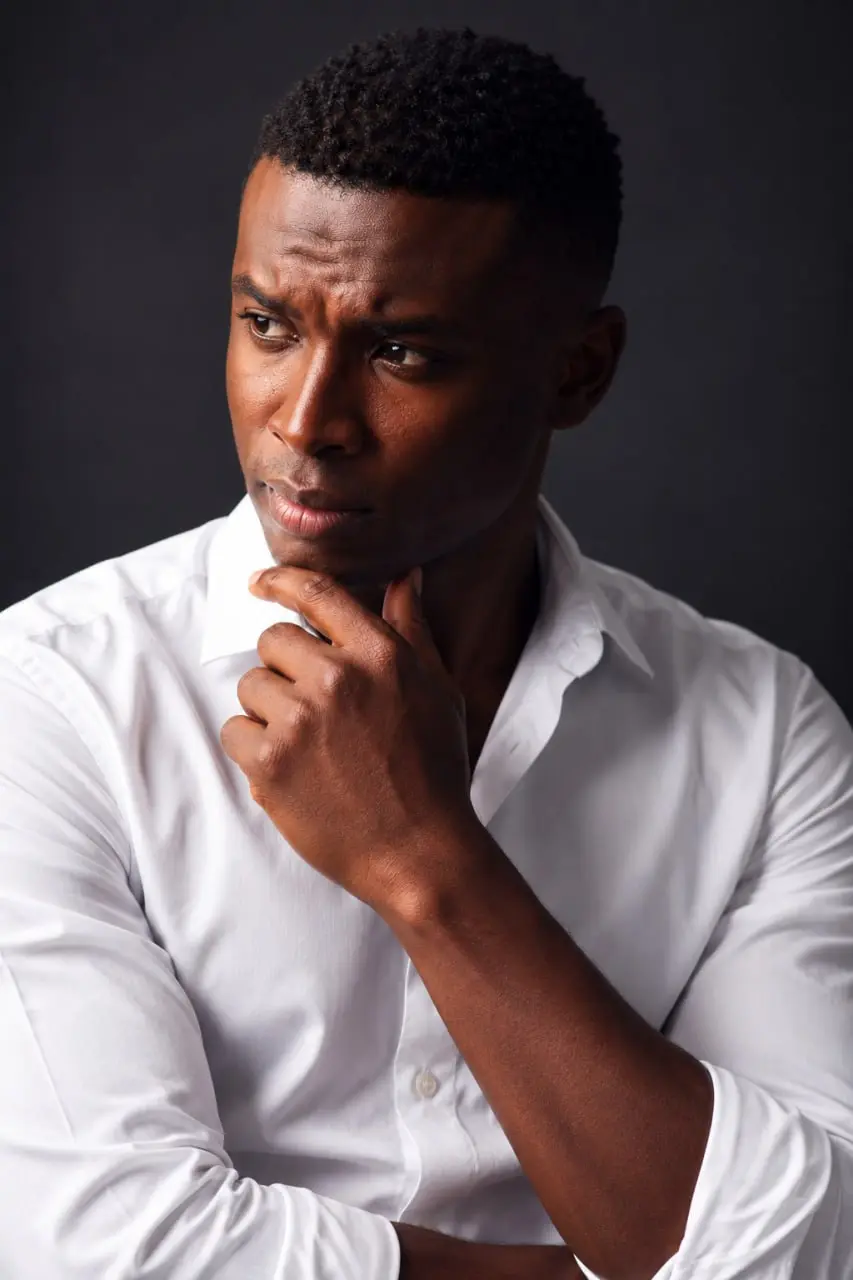
Frédéric Sohounde himself describes the work as born from his “journalist’s perspective” as much as from his “passion for sport”. This dual stance — the reporter and the enthusiast — can be a strength (closeness to the subjects, knowledge of the field) as well as a limitation (risk of a hagiographic rather than critical treatment). The reader will have to judge for themselves.
What the press release does not say
The announcement remains incomplete on several points that will determine the actual scope of the work: the format (essay, narrative, collection of portraits?), the publishing house, the planned distribution across the continent and in the diaspora, or the disciplines and countries covered beyond Senegal. It is also unclear whether athletes speak directly in the book, or whether the voice remains solely that of the author.
These questions are not trivial in a context where Francophone African sports literature remains a narrow editorial segment, often poorly distributed outside capital cities. The visibility of such a work will depend as much on its distribution as on its content.
Source: APS (Agence de Presse Sénégalaise), 2025.