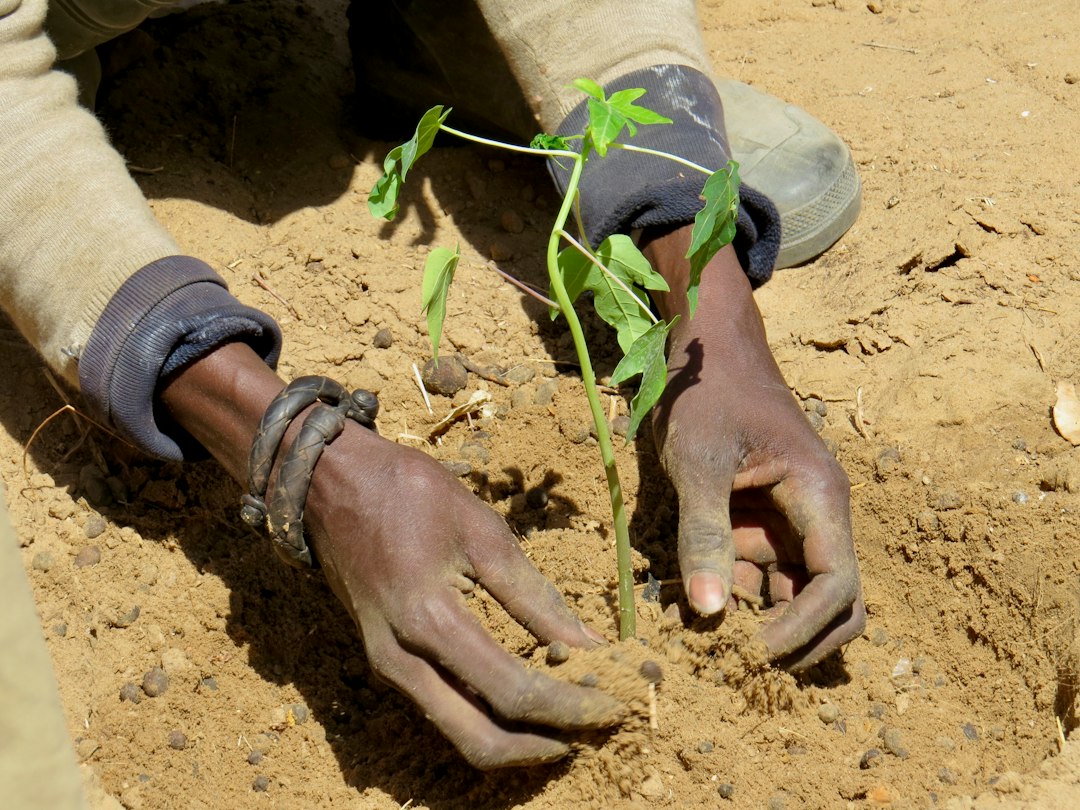



This is not a construction site or an investment forum, but a day of brooms and hoes. Yet, the mobilization observed on Saturday, October 3 in Tambacounda around the National Day of Sanitation and Greening of Vocational Training Centers says something concrete about the importance given to the educational environment in the eastern region of Senegal.
Two establishments targeted, several stakeholders gathered
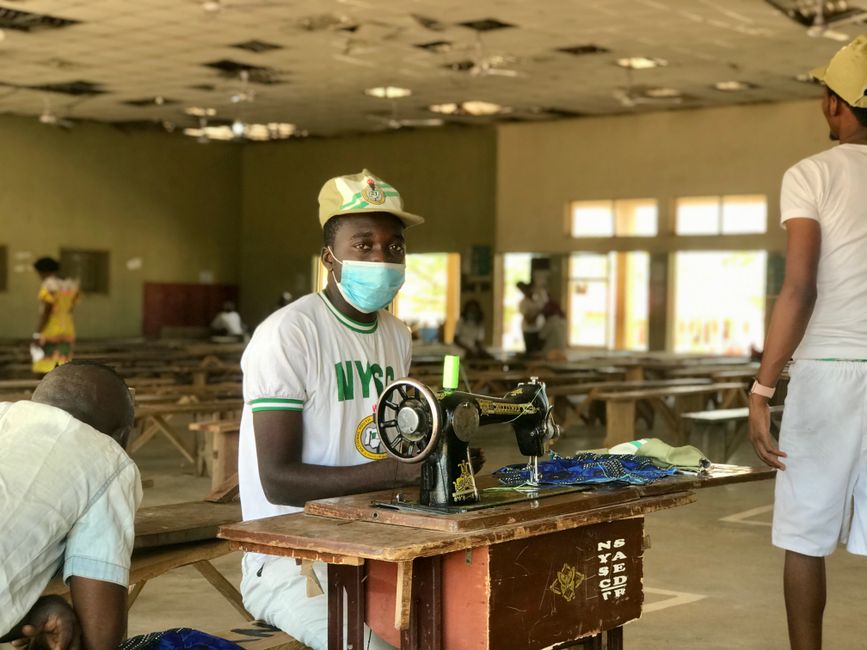
The cleanup operations focused their efforts on two sites: the technical high school and the vocational and technical training center of Tambacounda. These are establishments that welcome a young population learning trades, and whose working environment directly influences practical teaching conditions.
The ceremony was held under the chairmanship of Diarryatou Ndiaye, deputy governor in charge of regional development issues. This choice of chairmanship — a representative of the territorial authority rather than a sectoral official from education or vocational training — illustrates the cross-cutting dimension of the initiative, which goes beyond the strictly pedagogical framework to fall within a territorial planning policy.
An unusual convergence of services
What draws attention in this day is less the activity itself than the diversity of participants. According to Diarryatou Ndiaye, as quoted by APS, the gendarmerie, firefighters, the army, and the National Integrated Waste Management Company took part in the work, alongside local sports and cultural associations. A convergence that the regional official herself described as notable: “We observed the mobilization of all State services.”
This type of plural mobilization, bringing together security forces, civil structures, and civil society around a hygiene day, is reminiscent of a well-known mode of action in West Africa: national cleanliness days or “set setal” operations, regularly organized in Senegal since the 1980s. The novelty here lies in the specific targeting of vocational training centers, reflecting attention given to this segment that is often less visible than general education.
What the press release does not say
While the initiative deserves to be commended in principle, several questions remain unanswered. First, the question of regularity: is a one-off day sufficient to maintain sanitary standards in establishments that operate year-round? The presence of the National Integrated Waste Management Company suggests that a more structural logic is at work, but no details on a calendar or a sustainable mechanism are provided.
Furthermore, the actual state of vocational training infrastructure in Tambacounda — aging equipment, availability of running water, routine waste management — remains outside the scope of the press release. Yet it is precisely this starting context that would allow for an assessment of the scale of the challenge and the real impact of the action taken.
Finally, the national character of the day — as its title specifies — raises the question of coordination: does this Tambacounda edition form part of a simultaneous nationwide movement, with other cities involved? The press release does not clarify this.
Beyond these questions, the day of October 3 in Tambacounda will have at least produced one visible effect: a reminder that vocational training establishments, often the poor relations of educational policies, can also become the focus of collective attention.
Source: APS (Agence de Presse Sénégalaise), October 3