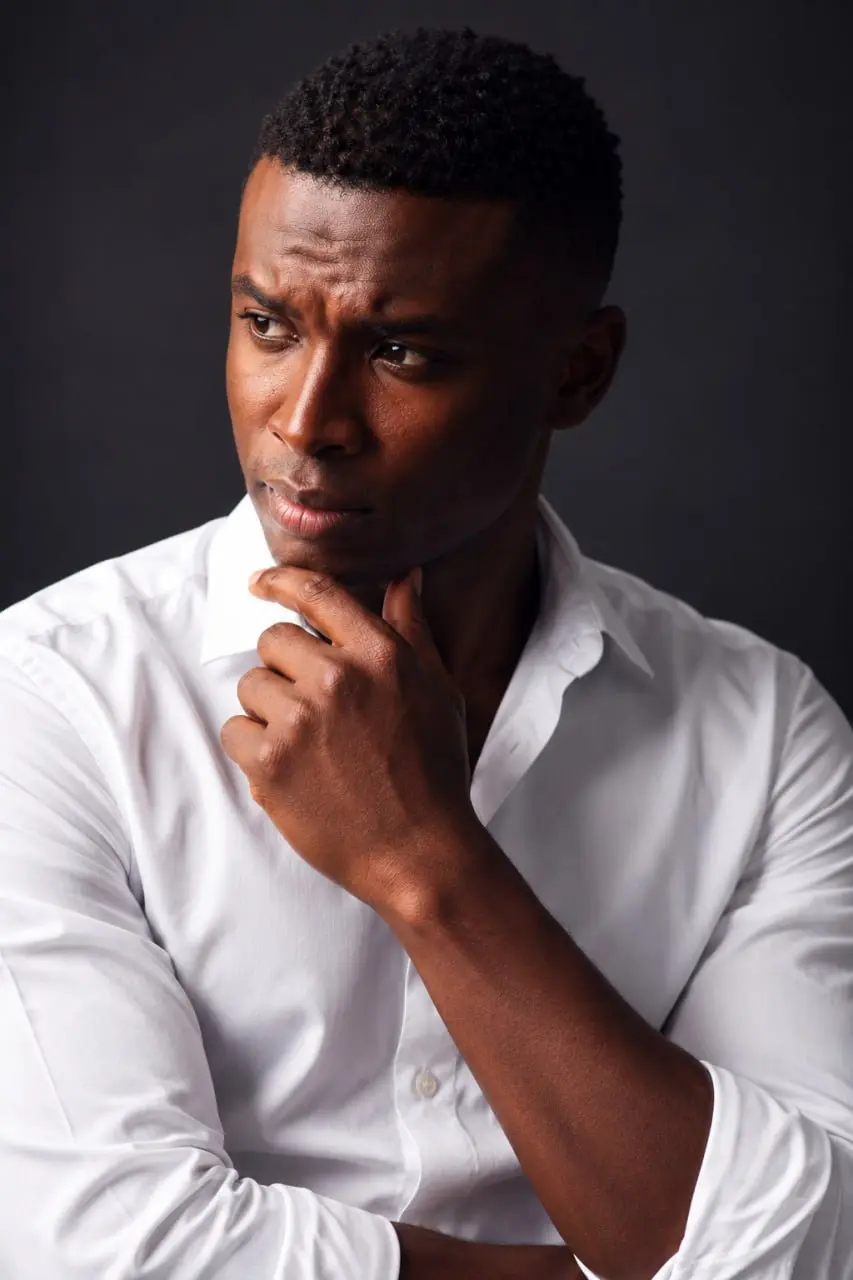

In a country where the political crisis drags on to the rhythm of violence striking civilian populations, an unexpected voice has risen to call out those who hold the levers of power. Bismack Biyombo, a Congolese professional basketball player in the NBA, delivered on 17 November 2026 a solemn message to the political class of the Democratic Republic of Congo.
A call to a sense of responsibility
The message is terse, but its weight is real: “You don’t have to agree on everything, but your disagreements should not become a death sentence for innocent people.” In a few words, the athlete points to a reality that many observers have been documenting for years: political confrontations in the DRC have direct and deadly repercussions on millions of civilians who have no part in these conflicts of interest.
Biyombo is no stranger to this terrain. He has distinguished himself on several occasions by taking public positions on the situation in his country of origin, mobilizing his international renown in service of humanitarian causes related to the DRC. This intervention fits within that continuity, without him calling on any specific political camp or naming any responsible party.
The Afriques newsletter
- Free & no spam
- 1 email per day
- Unsubscribe in 1 click
The symbolic power of a celebrity who speaks plainly
The intervention of a sports figure in the national political debate is not trivial. In a context where political speech is often perceived as partisan or instrumentalized, personalities from other spheres — sport, culture, the diaspora — enjoy particular credibility among large segments of the population, especially young people. Biyombo’s message does not propose a solution, but it articulates something that few institutional actors dare to say so directly: the human cost of political divisions is unacceptable.
This statement comes in a context of persistent tensions in the DRC, where the security situation in several provinces continues to cause massive population displacements and civilian casualties. The political class, engaged in complex power struggles, is regularly criticized for its inability to produce a unified response to these crises.
What the communiqué does not say
The Actualite.cd communiqué remains elliptical about the precise content of Biyombo’s message, its form (social media post, interview, public statement) and the immediate context that motivated it. It is also unknown whether this message sparked reactions within the targeted political class, and whether the athlete intends to go further in his engagement. These grey areas limit the analytical reach of the announcement.
It remains to be seen whether this type of appeal, however symbolically powerful, produces any effect on political actors whose logics of survival and competition rarely respond to moral injunctions coming from outside the system. The history of the continent offers few examples where the word of a celebrity has been enough to shift a deeply rooted political dynamic.
Source: Actualite.cd (DRC), 17 November 2026