


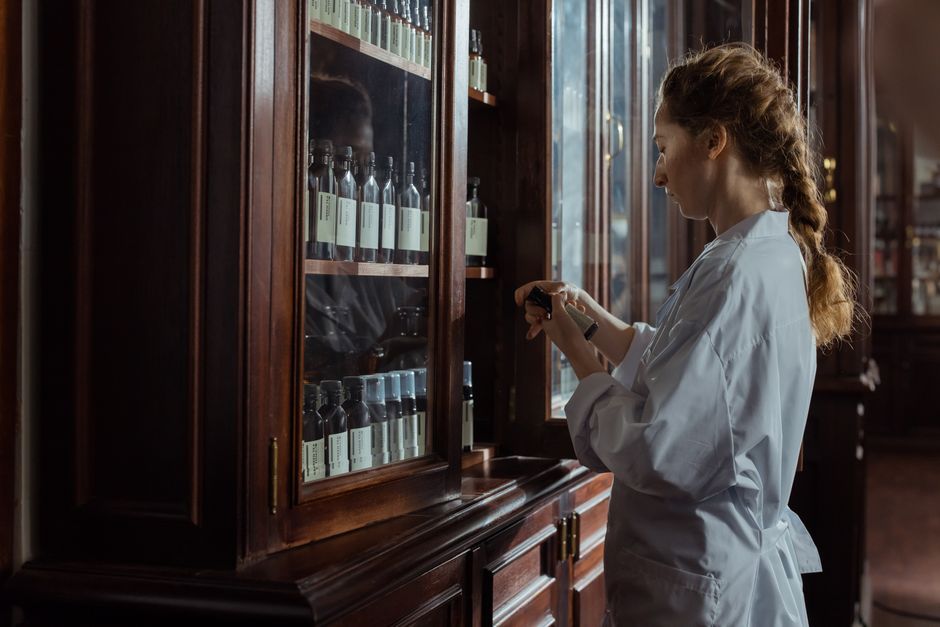
The question is not new, but it remains unanswered: Senegal produces few of the medicines it consumes. Gathered on Friday in Saly, in the Mbour region, on the occasion of the fifth edition of the Journées du médicament, Senegalese private pharmacists placed this observation at the heart of their discussions, advocating for a structural change of course in national pharmaceutical policy.
A sector still dependent on the outside world
The opening of these days, organized by the Syndicat des pharmaciens privés du Sénégal (SPPS), was an opportunity to recall a persistent reality: the country’s heavy dependence on medicine imports. Without precise figures put forward in the relayed speeches, the trend is well documented at the continental level — the majority of African countries import between 70% and 90% of their medicine needs, according to various regional estimates. Senegal is no exception.
The Afriques newsletter
- Free & no spam
- 1 email per week
- Unsubscribe in 1 click
The pharmacists present called for strengthening local production and improving support for national medicine manufacturers. Behind this call lies a health sovereignty issue: any disruption in global supply chains — as illustrated by the Covid-19 pandemic — directly exposes populations to shortages that are difficult to absorb.
Ambitions hampered by structural constraints
The desire to develop a local pharmaceutical industry is not absent from African political agendas. Several countries in the region — including Morocco, Tunisia and, to a lesser extent, Ghana — have embarked on industrial upgrading strategies in this sector. Senegal has an embryonic industrial fabric, but the conditions for its consolidation remain to be clarified: access to financing, technology transfer, an incentive regulatory framework, and public procurement oriented toward national production.
It is precisely on this point that the communiqué remains silent. The SPPS days established the diagnosis, but the concrete measures demanded from public authorities — taxation, public procurement, industrial partnerships — were not detailed in the available elements. The question of whether the government will be associated with this work, and at what level, remains open.
A professional event with political reach
The fifth edition of the Journées du médicament is part of a sequence in which pharmaceutical sovereignty has become a recurring political argument on the continent. The African Union has set the objective of locally producing 60% of vaccines consumed in Africa by 2040. Generic medicine, biotherapy, price regulation — all are projects that call for coordination between health professionals, the State and private investors.
By choosing this theme for their major annual gathering, Senegalese private pharmacists are sending a signal: they intend to play a role in the debate on medicine policy, beyond their role as dispensers. It remains to be seen whether this call will be translated into concrete legislative or regulatory proposals in the months to come.
Source: APS (Agence de presse sénégalaise), June 2025