



Profitable business in Africa 2026: ideas by country and startup method
Africa is home today to some of the most dynamic entrepreneurial opportunities in the world. With a young population exceeding 1.4 billion inhabitants, accelerated urbanization and growing mobile and internet penetration, the continent offers in 2026 a fertile ground for anyone wishing to launch a profitable business in Africa — whether they have a small amount of capital or a more comfortable budget. The key is knowing where to look, how to validate your idea and which sectors to prioritize based on local realities.
This hub page has been designed as your reference guide: it lists the most solid ideas by country (Mali, Sénégal, Côte d’Ivoire, Cameroun, RDC, Bénin), explores high-potential sectors (agro-processing, digital commerce, services), and gives you a methodology applicable anywhere on the continent to test your project before investing. Each section links to an in-depth country guide, written by the les Afriques editorial team, to accompany you step by step.
Why is Africa a prime destination for entrepreneurship in 2026?
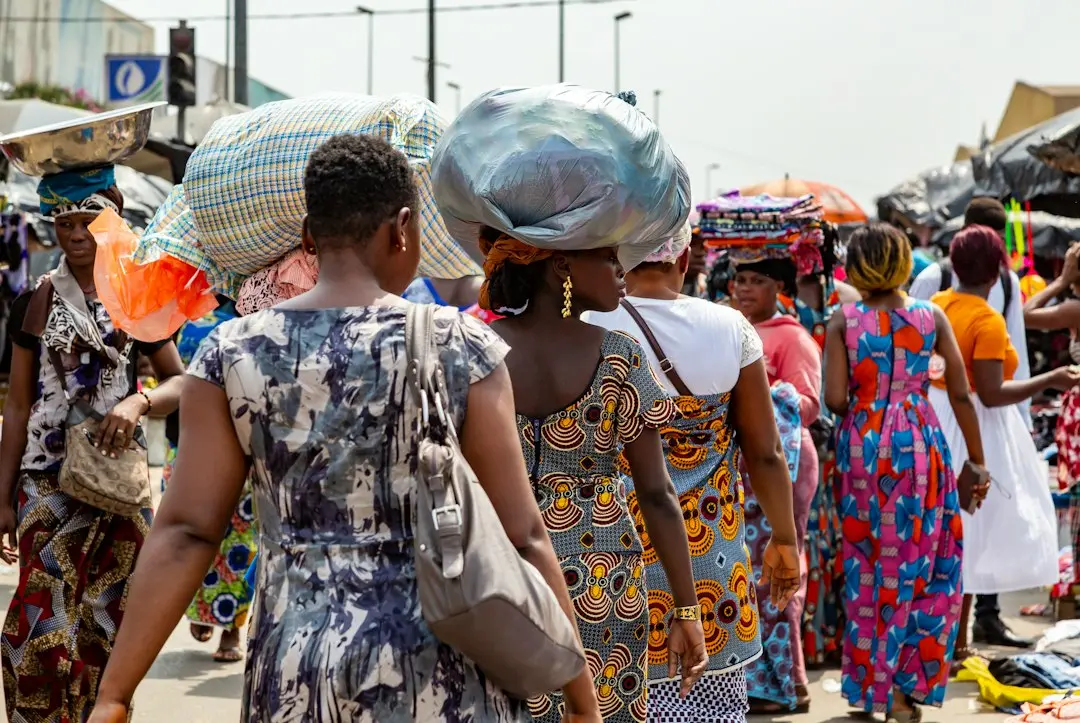
Several structural trends are converging to make 2026 a pivotal year for African entrepreneurship. The urban middle class continues to grow, driving demand for processed products, delivery services, training and digital solutions. Mobile money transfers, now commonplace from Dakar to Kinshasa, open access to digital commerce for entrepreneurs without a formal bank account. At the same time, agricultural supply chains remain largely underexploited: less than 30% of agricultural products are processed locally, representing a colossal reservoir of added value. Finally, regional integration policies — CEDEAO, CEMAC, ZLECAf — are progressively facilitating the movement of goods and services.
This favorable context does not eliminate real challenges: limited access to financing, uneven infrastructure, sometimes burdensome administrative procedures. This is precisely why a rigorous validation method is essential before mobilizing your savings. For a synthetic overview and a first analytical framework, consult our reference article: Profitable business in Africa: ideas by country and method.
Profitable business in Mali: agro-processing and local commerce
Mali presents a singular entrepreneurial profile: a predominantly rural economy, strong production of cotton, mango, shea and cereals, and a capital city, Bamako, in full demographic expansion. Opportunities there are real, provided you adapt your offer to logistical constraints and local purchasing power. Agro-processing remains the most accessible sector for entrepreneurs with modest capital: refined shea butter, pasteurized mango juice, enriched flour — all products for which local and regional demand exceeds available supply. Neighborhood commerce and small urban services (fast food, delivery, training) also constitute solid levers in Bamako.
For a complete overview of testable ideas in Mali, with detailed startup examples and a local validation method, read our dedicated guide: Profitable business in Mali: concrete ideas and testing method. You will also find practical advice for generating quick income in the capital in our article How to earn money in Bamako.
Focus: agro-processing in Mali
The Malian agro-processing sector deserves special attention. Shea, of which Mali is one of the world’s leading producers, offers high gross margins once processing is mastered. The kent and amélie mango, exported to Europe, can also be valorized locally as juice, dried fruit or jam. Local cereals (millet, sorghum, fonio) are experiencing growing demand as enriched infant flours. Our detailed sector guide explains how to structure each supply chain: Agro-processing in Mali: shea, mango, cereals.
Profitable business in Sénégal: services, digital and export
Dakar is establishing itself as one of the most dynamic entrepreneurial hubs in West Africa. Sénégal benefits from a mature digital ecosystem, an active diaspora and a well-rooted entrepreneurial culture. The most promising sectors in 2026 include business services (accounting, digital communications, logistics), e-commerce, healthy food, fashion and crafts valorized for export. Domestic tourism, boosted by new infrastructure, also opens up interesting niches for local entrepreneurs. The key in Sénégal: target a solvent urban clientele or diaspora buyers, and perfect your digital marketing.
Our country guide sorts through overrated ideas and those that genuinely generate stable income from the first months: Profitable business in Sénégal: realistic ideas to launch.
Profitable business in Côte d’Ivoire: digital commerce and small budgets
Côte d’Ivoire has shown one of the most sustained economic growth rates on the continent for ten years. Abidjan concentrates a significant middle class, highly connected and accustomed to shopping online and via social networks. Digital commerce — selling products via WhatsApp, Instagram or local marketplaces — has become a business model in its own right there, accessible without a physical store or heavy investment. The beauty, processed food, textile and personal services sectors present attractive profitability for those who know how to target and retain their clientele.
To identify the best ideas suited to your budget and profile, consult our complete guide: Profitable business in Côte d’Ivoire: realistic ideas to test.
Starting with 200 000 FCFA in Côte d’Ivoire
Many beginner entrepreneurs think that significant capital is essential. In Côte d’Ivoire, however, it is possible to launch a viable activity with 200 000 FCFA — approximately 300 euros — provided you choose the right sector and keep your costs under control. Reselling cosmetic products, neighborhood catering, selling digital content or local dropshipping: the options exist. Our detailed article presents them with precise budgets: Business with 200 000 FCFA in Côte d’Ivoire: what to launch.
Selling without a store thanks to WhatsApp Business
WhatsApp has become the leading informal sales channel in Côte d’Ivoire. Thousands of entrepreneurs manage their catalog, orders and customer service there without ever paying commercial rent. Mastering WhatsApp Business features — product catalog, automatic messages, broadcast lists — can transform a simple smartphone into a genuine commercial tool. Our practical guide explains how to structure this approach: WhatsApp Business in Côte d’Ivoire: selling without a store.
Profitable business in Cameroun: Douala, Yaoundé and beyond
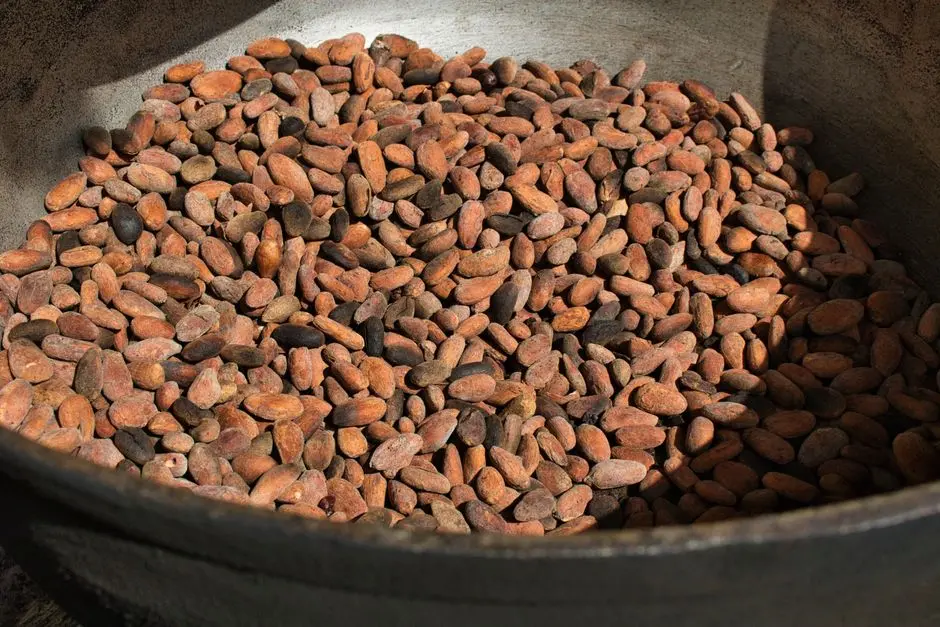
Cameroun, nicknamed “Africa in miniature,” offers remarkable economic diversity: food and cash crop agriculture, manufacturing industry, financial services, a booming digital economy. Douala, the leading port in Central Africa, is an indispensable commercial crossroads. Yaoundé, the administrative capital, concentrates strong demand for business services, training and catering. The most profitable sectors in 2026 include food processing (palm oil, cocoa, plantain), last-mile transport and logistics, construction and building materials, as well as digital services for SMEs.
Our guide details the best opportunities to seize in the country’s two metropolises, with concrete examples and accessible investment levels: Profitable business in Cameroun: ideas for Douala and Yaoundé.
Profitable business in RDC: opportunities in Kinshasa
The République Démocratique du Congo is a giant with considerable resources: mining, agricultural, hydraulic and human. Kinshasa, with over 17 million inhabitants, is the third largest city in sub-Saharan Africa — and one of the most underserved in terms of shops, services and processed products. This mismatch between supply and demand is precisely what creates exceptional opportunities for local and foreign entrepreneurs. Fast food, food commerce, beauty services, solar energy and digital commerce represent high-potential niches, even with limited starting capital.
For a structured overview of the ideas best suited to the Kinshasa context, with advice on financing and marketing, read our guide: Profitable business in RDC: concrete ideas in Kinshasa.
Profitable business in Bénin: Cotonou and the regional axis
Bénin occupies a strategic position in West Africa: a transit country between Nigeria and the Sahelian countries, it benefits from intense regional trade and a fully autonomous port of Cotonou undergoing full modernization. In 2026, high-potential sectors include re-export trade, agricultural processing (cashew, oil palm, corn), digital services and logistics. The Beninese government has also undertaken reforms favorable to private investment, strengthening the country’s attractiveness for entrepreneurs wishing to establish themselves in the sub-region. Cotonou remains the ideal entry point to test an idea before scaling regionally.
Discover the most concrete and accessible ideas for launching your business in Bénin in our dedicated guide: Profitable business in Bénin: ideas to test in Cotonou.
The most profitable sectors in Africa in 2026
Beyond national specificities, three major sector families concentrate most of the profitable opportunities on the continent in 2026. Understanding their logic allows you to more quickly identify viable niches in any African country.
1. Agro-processing: adding value to what the continent produces
Sub-Saharan Africa still exports too many raw agricultural commodities and imports processed products it could manufacture locally. This structural inefficiency is a direct opportunity for entrepreneurs. Shea butter, enriched flours, pasteurized fruit juices, vegetable oils, packaged spices, dried legumes: local and regional markets are in demand, and barriers to entry remain low for small processing units. Gross margins generally range between 30% and 60% depending on the product and distribution channel, making it one of the most accessible sectors for entrepreneurs with limited capital.
2. Digital commerce: sell everywhere, invest little
The penetration of smartphones and social networks has radically transformed purchasing habits in urban Africa. Facebook Marketplace, WhatsApp Business, Instagram Shopping and local marketplaces now make it possible to launch a commercial activity with less than 100 000 FCFA in initial capital. The key to success lies in mastering digital tools, quality of customer service and speed of delivery. Digital commerce is particularly dynamic in Côte d’Ivoire, Sénégal, Cameroun and RDC, where mobile infrastructure is sufficiently developed to support this model.
3. Services: meeting the needs of a growing middle class
The rise of urban middle classes is generating growing demand for services that are not yet properly covered: professional training, accounting and consulting for micro-enterprises, home delivery, maintenance and repair, beauty care, childcare, funeral services, local tourism. These activities often require little material capital but a great deal of operational rigor and customer focus. Their margins can be very high once the quality of service is there.
Method for validating a business idea in Africa
Before investing your savings or borrowing from those around you, it is essential to validate your idea in the field. This five-step method applies to any country and any sector on the continent.
Step 1: Identify a real problem, not a trend
Businesses that last solve concrete problems for well-defined customers. Before getting excited about an idea, ask yourself: Who suffers from this problem? How frequently? How much are they willing to pay to solve it? Go directly and speak with potential customers in markets, neighborhoods, companies. Five honest conversations are worth more than ten hours of online analysis.
Step 2: Analyze local competition
In the majority of cases, you are not the first to have had this idea — and that is good news. If competitors exist, it means the market is real. Study them: their prices, their clientele, their weaknesses, their distribution channels. Your competitive advantage must be clear and defensible: better quality, lower price, faster service, better location, superior customer relationship.
Step 3: Test before investing
The MVP (Minimum Viable Product) principle applies perfectly to the African context. Before renting premises, buying equipment or hiring staff, test your offer on a small scale. Sell your first products to neighbors, offer your service for free or at a reduced price to a few test customers, use WhatsApp to take orders before producing. This allows you to validate demand, refine your offer and avoid costly mistakes.
Step 4: Calculate the break-even point
Many African entrepreneurs launch their activity without having calculated how many units they need to sell to cover their fixed costs. This simple calculation — fixed costs divided by the unit variable cost margin — tells you the minimum number of monthly sales needed to avoid losing money. If this threshold seems unrealistic given the local market, the idea deserves to be reconsidered or refocused.
Step 5: Formalize progressively
The temptation to formalize everything from the start (registration, accounting, commercial premises) can unnecessarily increase your initial costs. Start informally if local regulations allow it, then formalize as the activity generates stable income. Progressive formalization protects you and opens access to credit and public markets — but it should accompany growth, not precede it.
Concrete examples of starting with little capital
Here are five real examples of businesses launched with less than 300 000 FCFA (approximately 450 euros) in West and Central Africa, illustrating the diversity of models accessible to beginner entrepreneurs.
- Sale of packaged shea butter in Bamako: purchase of bulk raw shea butter, artisanal processing, packaging in recycled jars, sale via WhatsApp and local markets. Initial capital: 80 000 FCFA. Gross margin: 55%.
- Home meal delivery in Abidjan: orders received via WhatsApp, home cooking, motorcycle delivery. Initial capital: 150 000 FCFA (ingredients + packaging + delivery costs). Profitable from the 2nd month.
- Resale of cosmetic products in Dakar: sourcing from local wholesalers or via online suppliers, sales on Instagram and via WhatsApp groups. Initial capital: 200 000 FCFA. Return on investment in 45 days.
- Computer training in Cotonou: courses given in a coworking space rented by the hour, 8 to 10 students per session. Initial capital: 50 000 FCFA (teaching materials + flyers). Net margin per session: 70%.
- Sale of dried vegetables in Kinshasa: sourcing from peri-urban market gardeners, solar drying, sale in bags to households and small restaurants. Initial capital: 120 000 FCFA. Strong demand linked to power outages.
Profitable business in Africa: the most common mistakes to avoid
Entrepreneurial enthusiasm is a precious asset — but it can lead to avoidable mistakes that compromise otherwise well-designed projects. Here are the five most common pitfalls observed on the continent.
- Overestimating initial demand: relying on optimistic projections rather than real orders before investing.
- Neglecting cash flow: confusing revenue with profit, and not anticipating payment delays from professional clients.
- Copying without differentiating: replicating exactly what a competitor does without bringing visible added value for the customer.
- Spreading too thin too quickly: wanting to offer too many products or services before having validated and optimized your core offer.
- Ignoring local networks: underestimating the importance of commercial relationships, professional associations and community networks in building a clientele.
All our guides on profitable business in Africa
The les Afriques editorial team has developed a complete series of practical guides to accompany you in your entrepreneurial project, whatever country you wish to launch in. Find below all our dedicated resources:
- Profitable business in Africa: ideas by country and complete method — The continental synthesis to frame your thinking.
- Profitable business in Mali: concrete ideas and testing method — All the opportunities to seize in Mali in 2026.
- How to earn money in Bamako: simple and actionable ideas — Quick leads for generating income in the Malian capital.
- Agro-processing in Mali: shea, mango and cereals — The complete sector guide for valorizing Malian agricultural supply chains.
- Profitable business in Sénégal: realistic ideas to launch in 2026 — The most promising sectors and niches in Sénégal.
- Profitable business in Côte d’Ivoire: realistic ideas to test — The complete overview of opportunities in Côte d’Ivoire.
- Launching a business with 200 000 FCFA in Côte d’Ivoire — Concrete ideas for starting with a small budget in Côte d’Ivoire.
- WhatsApp Business in Côte d’Ivoire: selling without a physical store — The practical guide for turning WhatsApp into a high-performing sales tool.
- Profitable business in Cameroun: the best ideas for Douala and Yaoundé — High-potential sectors and concrete examples for entrepreneurship in Cameroun.
- Profitable business in RDC: concrete ideas to launch in Kinshasa — High-potential opportunities in the Congolese megalopolis.
- Profitable business in Bénin: the best ideas to test in Cotonou — How to take advantage of Bénin’s strategic position to start a business.
This hub page is regularly updated by the les Afriques editorial team. To not miss any new resource on African entrepreneurship, follow us on our social networks and subscribe to our newsletter.
Conclusion
Africa in 2026 is not a distant promise: it is a market in motion, with concrete needs, demanding consumers and entrepreneurs who succeed every day starting from very little. Whether you are targeting agro-processing in Mali, digital commerce in Sénégal, urban services in Côte d’Ivoire or logistics in RDC, opportunities exist — provided you approach them methodically. Validate your idea before investing, ground yourself in local realities and build progressively. This hub page is your starting point: explore each country guide to move from ideas to action, with figures, concrete examples and clear steps. The right time to start a business in Africa is now.
Frequently asked questions
What is the most profitable business in Africa to start with a small budget?
Agro-processing remains one of the most accessible sectors with limited capital: shea processing, fruit drying, production of enriched flours or pasteurized juices often require less than 500 000 FCFA for a first small-scale test. Resale commerce via social networks (Facebook, WhatsApp) is also very profitable with minimal investment, particularly in Sénégal, Côte d’Ivoire and Cameroun. The key is to validate local demand before committing your savings.
Which African country offers the best conditions for starting a business in 2026?
Rwanda, Maurice and Sénégal regularly top the rankings on ease of doing business in Africa, thanks to simplified registration procedures and a more stable legal environment. That said, the “best country” depends above all on your sector, your local network and your starting capital: Côte d’Ivoire excels in commerce and services, Mali in agro-processing, and RDC offers colossal opportunities in logistics and digital despite a more complex context. Always choose the market you know best.
How to finance your business project in Africa without access to traditional bank credit?
Tontines and community savings funds (cooperatives, mutual societies) remain the primary informal financing tools on the continent, accessible without bank guarantees. Microfinance solutions such as ACEP, PAMECAS in Sénégal or fintechs like Wave, Moov Money or M-Pesa also allow access to small credits via mobile. Furthermore, public programs and funds such as the Fonds de Garantie des Investissements Prioritaires (FGIP) or initiatives from the Banque Africaine de Développement specifically target young African entrepreneurs.
Is it possible to launch a profitable business in Africa from abroad (diaspora)?
Yes, many diaspora entrepreneurs manage profitable activities remotely, particularly in real estate, import-export trade, agro-processing or digital services. The key to success lies in a trustworthy partner or manager on the ground, capable of overseeing daily operations and managing local relationships. It is strongly recommended to start with regular stays in the field to validate the model before fully delegating management.
Which business sectors are the most promising in sub-Saharan Africa in 2026?
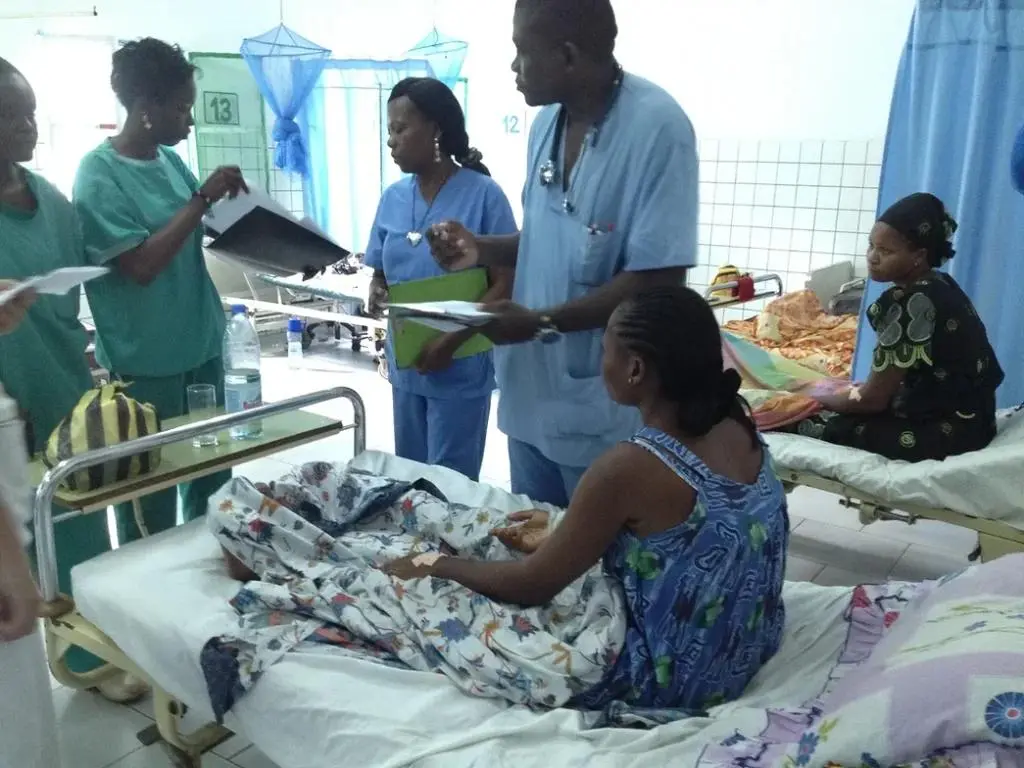
In 2026, five sectors concentrate the bulk of opportunities: agro-processing (local valorization of agricultural production), digital commerce and last-mile logistics, renewable energies (off-grid solar), education and professional training, and proximity healthcare services. These sectors respond to fundamental needs not yet met for hundreds of millions of people, which guarantees solid structural demand independent of economic cycles. Mobile technologies now serve as a transversal catalyst for almost all of these fields.
Read also
- Profitable business in Bénin: ideas to test in Cotonou
- Profitable business in RDC: concrete ideas in Kinshasa
- Profitable business in Cameroun: ideas for Douala and Yaoundé
- Profitable business in Sénégal: realistic ideas to launch
- Profitable business in Côte d’Ivoire: realistic ideas to test
- Profitable business in Mali: concrete ideas and testing method
Read also
- Profitable business in Bénin: ideas to test in Cotonou
- Profitable business in RDC: concrete ideas in Kinshasa
- Profitable business in Cameroun: ideas for Douala and Yaoundé
- Profitable business in Sénégal: realistic ideas to launch
- Profitable business in Côte d’Ivoire: realistic ideas to test
- Profitable business in Mali: concrete ideas and testing method
Read also