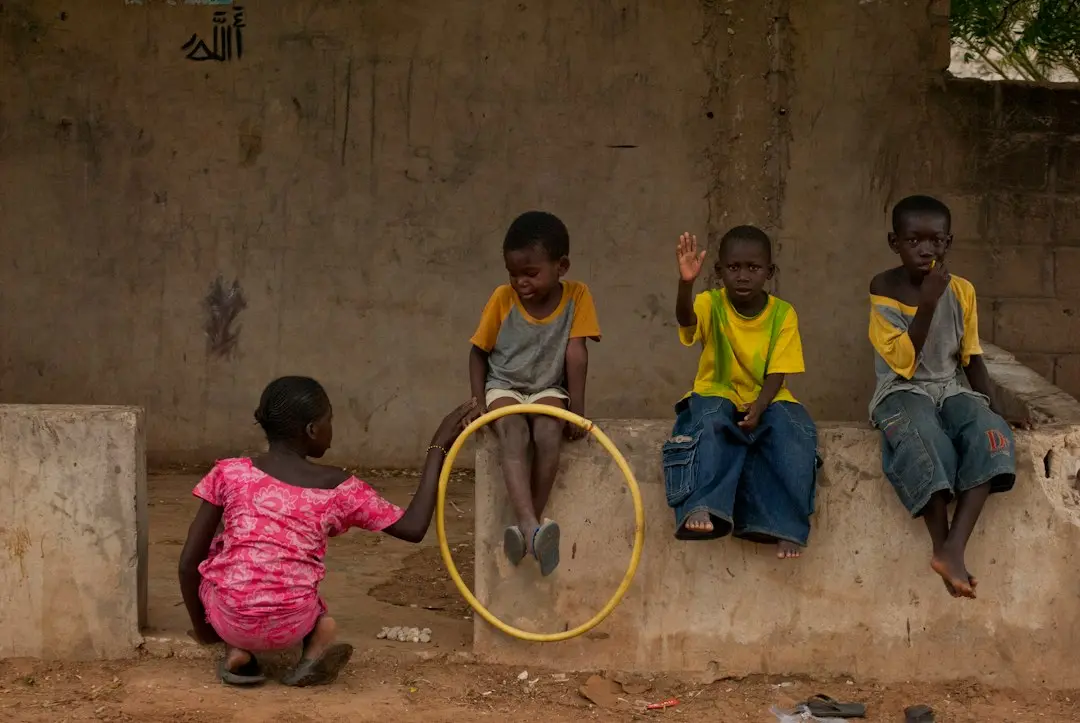



Talking about the poorest countries in Africa requires caution. A raw ranking can be misleading if it reduces complex human situations to a column of numbers. GDP per capita gives a signal, but it is not enough to understand poverty.
Countries that appear at the bottom of rankings often accumulate several fragilities: conflicts, landlocked geography, dependence on a few raw materials, limited access to electricity, demographic pressure, climate shocks or strained institutions.
Countries often ranked among the poorest in Africa
| Country | Weighing factors |
|---|---|
| Burundi | low GDP per capita, land pressure, rural economy |
| South Sudan | conflict, oil dependence, fragile institutions |
| Central African Republic | insecurity, landlocked geography, limited infrastructure |
| Mozambique | regional disparities, debt, climate shocks |
| Madagascar | rural poverty, climate vulnerability |
| Niger | rapid demographics, Sahelian climate, security |
| Sudan | conflict, inflation, productive disorganization |
| Eritrea | scarce data, low economic openness |
Why GDP per capita is not enough
Two countries with a similar GDP per capita level can offer very different realities. Security, access to school, healthcare, roads, price stability and the state’s capacity to provide public services profoundly change daily life.
The signals to look at to understand poverty
- the share of the informal and agricultural economy;
- the cost of transport and energy;
- access to credit for small businesses;
- political and security stability;
- education and healthcare spending;
- dependence on food imports.
For an opposing perspective, see also the richest countries in Africa in 2026 and GDP per capita in Africa.
Sources and methodology
The figures should be read as orders of magnitude, as projections change with exchange rates, inflation and statistical revisions. Sources used: IMF, World Economic Outlook, World Bank, UNDP.
Why some countries remain stuck
Lasting poverty rarely stems from a single cause. It often comes from an accumulation: insufficient roads, irregular access to electricity, fragile schools, conflicts, low agricultural productivity, dependence on imports and difficulty financing small businesses.
This point is important: a poor country is not a country without potential. It is often a country where potential costs more to unlock. Training, transporting, storing, securing, irrigating, connecting: each step requires more effort and more capital.
The levers that truly change the trajectory
- rural roads and trade corridors;
- reliable electricity for workshops, refrigeration and processing;
- short technical schools linked to local needs;
- simple financing for small productive activities;
- administrative stability and security of trade.
📌 Complete guide: Africa GDP 2026: ranking and country-by-country analysis