


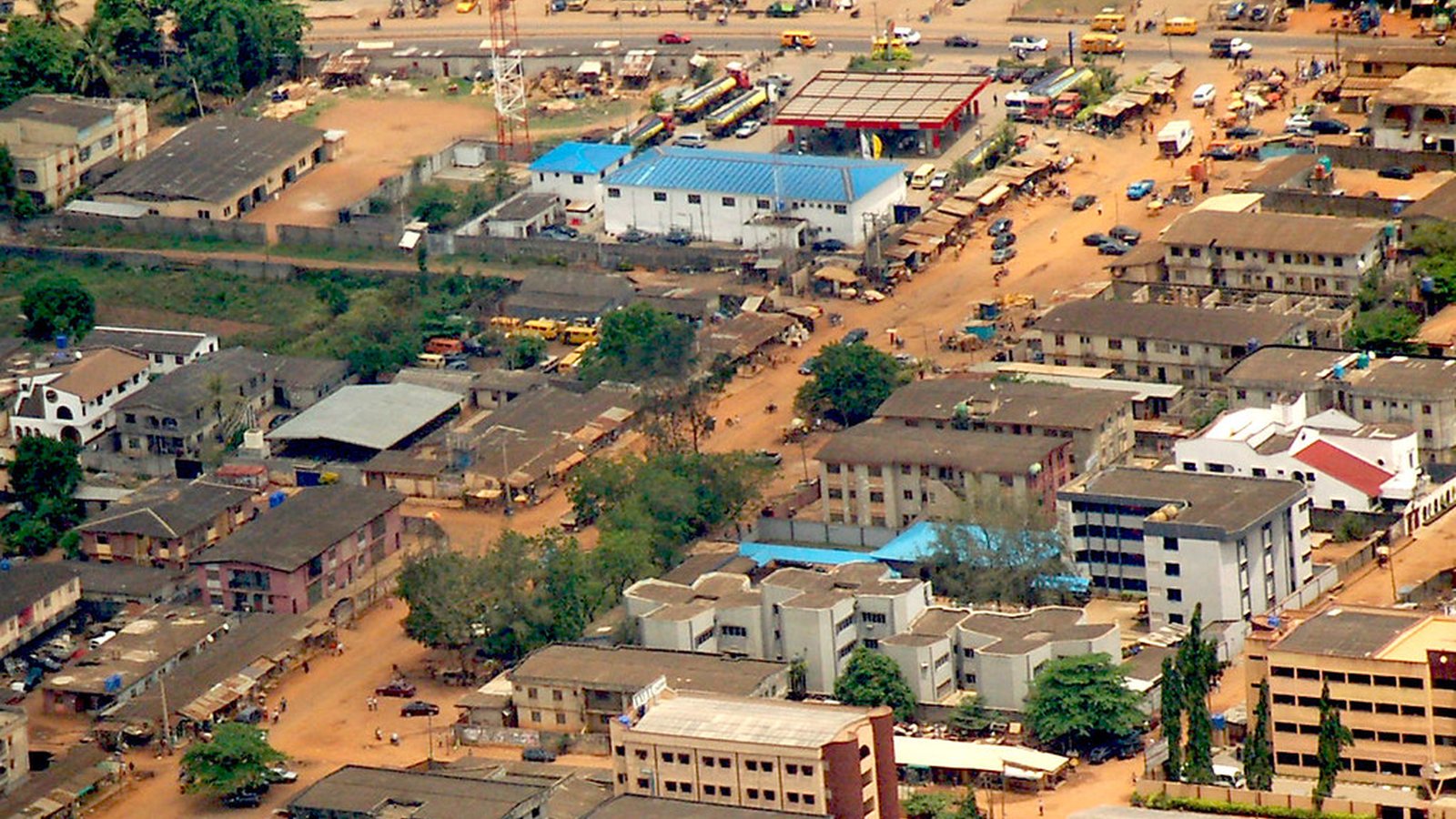
Africa’s economic capitals are the cities where businesses, ports, banks, skilled jobs and urban consumption are concentrated. They are not always the political capitals: Lagos carries more economic weight than Abuja, Abidjan more than Yamoussoukro, Cotonou more than Porto-Novo.
This distinction is essential for investing, recruiting, selling or understanding a country. The official capital hosts the State; the economic capital often concentrates flows of money, goods and talent.
Africa’s major economic hubs
| City | Dominant role |
|---|---|
| Lagos | Finance, tech, consumption, port, media |
| Abidjan | Banks, port, cocoa, services, regional headquarters |
| Casablanca | Finance, industry, logistics, commercial real estate |
| Nairobi | Tech, services, East African logistics |
| Le Caire | Industry, population, tourism, media, administration |
These cities structure markets that extend well beyond their immediate country. A company based in Casablanca can target North and West Africa; Nairobi serves as a hub towards East Africa; Abidjan radiates across the UEMOA.
An economic capital concentrates very concrete functions: banks, law firms, freight forwarders, regional headquarters, media, ports, airports and skilled labour. For a business, these services reduce friction and accelerate commercial decision-making.
Political or economic capital: why it changes everything
Confusing the political capital with the economic capital leads to poor decisions. Setting up a sales force in the administrative capital may make sense for public procurement, but is less relevant for selling to SMEs, recruiting sales staff or managing a port.
Nigeria’s case is the most telling: Abuja is the political capital, but Lagos remains the economic engine. The article Abuja or Lagos: understanding Nigeria details this difference.
Lagos illustrates the weight of the market, Abidjan that of the francophone regional hub, Casablanca that of finance and industry, Nairobi that of East African tech and services. These cities do not all play the same role, but they structure ecosystems well beyond their municipal population.
How to choose a city for expansion
Five criteria must be considered: market size, port or air access, talent availability, real estate costs, and depth of the client base. An expensive city can remain profitable if it provides access to a larger pool of creditworthy customers.
To connect cities and economic power, also consult the Africa GDP ranking 2026 and the guide profitable business in Côte d’Ivoire.
The choice of location depends on the business model. An import-export activity will look first at the port and customs. A consulting activity will look at corporate headquarters. A digital activity will look at talent, payment infrastructure and urban purchasing power.
Sources and methodology
The figures should be read as recent orders of magnitude: economic series are revised, and 2026 projections remain dependent on exchange rates, inflation and commodity prices.