



Cameroon, Côte d’Ivoire, Ghana: who produces the most cocoa?
Africa dominates global cocoa, but the sector is going through a period of tension: diseases, weather, aging orchards, high prices and traceability demands.
African cocoa is not just an exported commodity: it is a farmer’s income, a foreign exchange issue, a global market and a question of local processing. High prices do not automatically mean that all producers earn more.
- According to the ICCO, Africa accounted for approximately 71.3% of estimated global production in 2023/24.
- Côte d’Ivoire remained the leading producer with approximately 1.674 million tonnes estimated in 2023/24, ahead of Ghana.
- Cameroon was estimated at around 320,000 tonnes in 2023/24, ahead of several African producers but far behind the two West African giants.
Côte d’Ivoire remains far ahead, followed by Ghana. Cameroon and Nigeria occupy an important place in the second group. ICCO figures show, however, that volumes vary considerably depending on the season.
The main cocoa-producing countries in Africa
The price paid to the producer depends on the season’s calendar, quality, purchasing channels, taxes, transport and bargaining power. When international prices surge, the local effect can be delayed or partial. Conversely, a global drop can quickly hit incomes if buyers anticipate the reversal.
Cameroon has room to better valorize its cocoa: fermentation, drying, traceability, more transparent contracts and local processing. Producing more is not enough if quality falls or if added value goes elsewhere. Cooperatives, exporters and the state therefore play a central role in the share actually captured by producers.
The continent still exports a large share of beans. Value creation will come through processing, quality, traceability and better remuneration for producers. Without this, dominance in volume does not guarantee local wealth.
Côte d’Ivoire, Ghana, Cameroon and Nigeria: the global hierarchy
- Commenting on a price without a date or source.
- Confusing international prices with prices paid at the village level.
- Forgetting drying costs, transport and quality losses.
On cocoa in Cameroon and Africa, data can change quickly. The right reflex is to check the date of the figures, the source used, the country concerned and the practical conditions. Useful information today can become misleading if the exchange rate, regulations, fees, world price or access to financing change.
The most reliable reading therefore combines three levels: a recent public figure, a concrete example and a local verification. It is this combination that allows you to move from an appealing idea to a more solid decision.
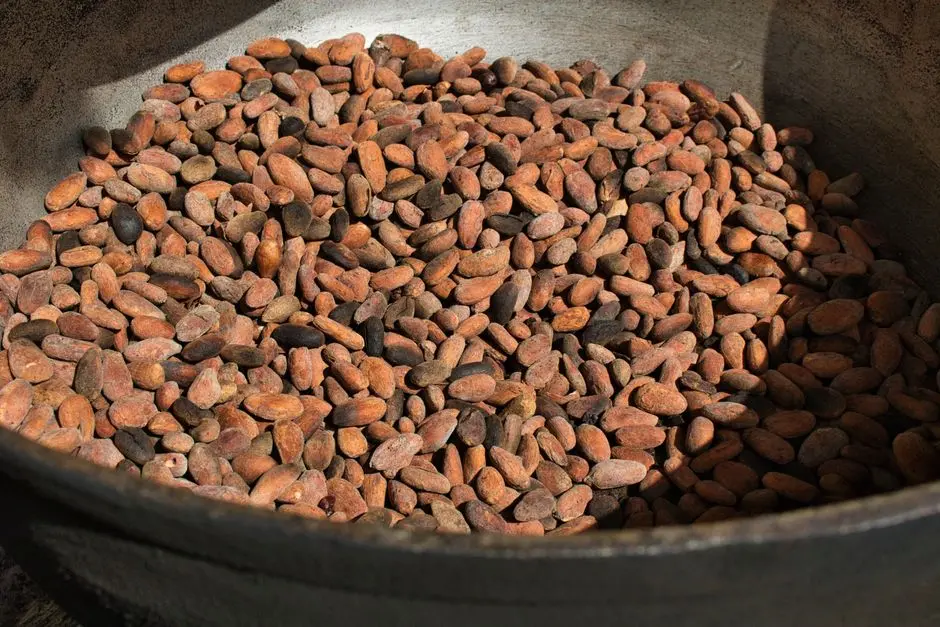
In cocoa, quality is largely determined after the harvest. Fermentation, drying, storage and transport can improve or degrade the value of a batch. Wet, poorly sorted or mixed cocoa sells for less, even when international prices are high. This is one of the reasons why two producers from the same area can obtain different prices.
Quality, processing and new balances on lesafriques.com
Africa dominates global cocoa, but the challenge now is to better capture value through quality, processing and traceability.
Moving upmarket requires collective practices: training, drying equipment, pooling of volumes, traceability and more transparent negotiation. Without these steps, rising world prices risk benefiting intermediaries more than producers.
Processing part of the cocoa locally does not solve everything, but it allows more value to be captured: grinding, powder, butter, chocolate, technical jobs and better control of the supply chain. The challenge is as much industrial as agricultural: energy, quality, financing and market access must follow.
The answer depends on the subject, but the rule remains the same: check the source, the date, the country concerned and the concrete conditions before deciding.
Sources do not always use the same year, the same currency, the same scope or the same method. This is why discrepancies should be explained rather than copied without context.
Points to check on prices and the cocoa sector
Read also
Sources
FAQ
Côte d’Ivoire remains the leading African producer, ahead of Ghana. Cameroon and Nigeria follow in a second group.
Which country produces the most cocoa in Africa?
Cameroon is an important producer, but far behind Ivorian and Ghanaian volumes.
Where does Cameroon stand?
Processing makes it possible to capture more value, create jobs and reduce dependence on the export of raw beans.