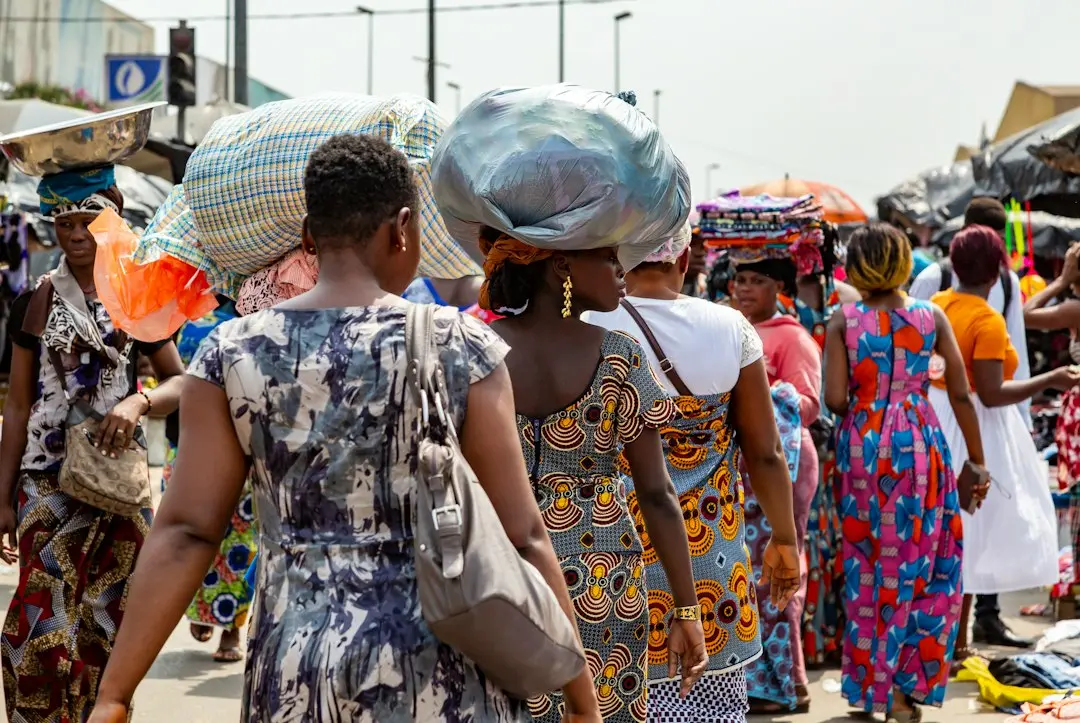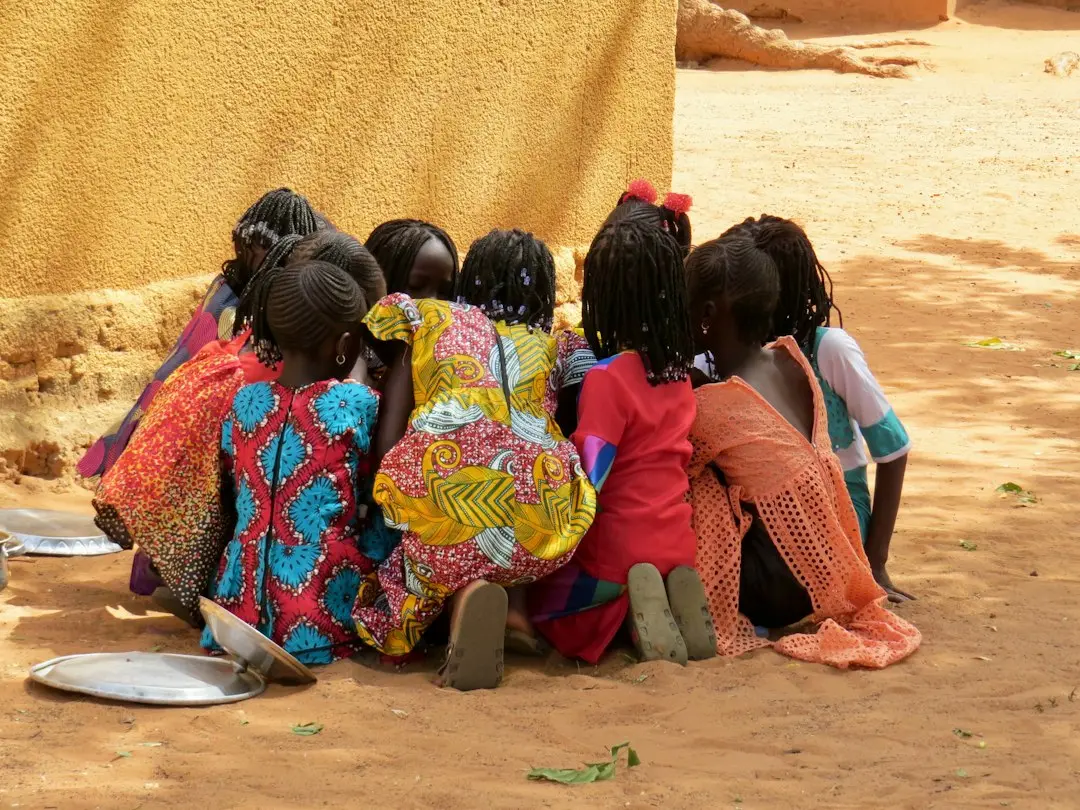




On the edge of a dusty red road in Yamoussoukro, a group of young dancers rehearses a traditional choreography to the sound of Akan drums. Their movements are precise, their gazes focused. This is not a show for tourists. It is a rehearsal for a national competition. In Côte d’Ivoire, culture is not merely a heritage: it is a driver of identity, economy, and cohesion. And the rest of the continent is beginning to take notice.
A model of embraced diversity
Côte d’Ivoire is home to more than 60 ethnic groups, each with its own languages, music, dances, and rituals. Unlike other countries where this diversity can be a source of tension, here it is valued as a national wealth.
“When you are Baoulé, you learn from childhood to dance the Goli. But you also know the Sénoufo or Bété rhythms. It is normal, it is our daily life,” explains Awa Koné, a traditional dance teacher in Bouaké.
The country has built an inclusive cultural identity, where each group finds its place. The Festival des musiques urbaines d’Anoumabo (FEMUA), created by the group Magic System, is a striking example: it blends modern music with local traditions, attracting more than 100,000 visitors each year.
A proactive cultural policy
Since the 2000s, the Ivorian state has put in place an ambitious cultural policy, with an annual budget exceeding 40 billion francs CFA (approximately 60 million euros). This funding supports artists, festivals, cultural centers, and heritage restoration.
“The Ministry of Culture works hand in hand with local authorities. We do not let culture die in silence in the villages,” says Mamadou Diabaté, regional director of Culture in Korhogo.
This decentralized approach keeps cultural practices alive even in rural areas. In 2023, more than 300 cultural events were organized across the country, of which 70% took place outside Abidjan.
A creative sector in full explosion
Côte d’Ivoire is today one of the driving forces of the cultural industry in francophone Africa. Its cinema, music, and fashion shine well beyond its borders.
Ivorian cinema, carried by directors such as Philippe Lacôte and Henri Duparc, has conquered international festivals. The film “La Nuit des Rois” was selected for the Oscars in 2021, a first for the country.
In music, artists such as Didi B, Roseline Layo, and Suspect 95 have the whole of West Africa dancing. Coupé-décalé, born in Abidjan in the 2000s, has become an iconic genre of the continent.
“Here, we create, we innovate, we mix genres. That is what makes us strong,” smiles Elie Kacou, a music producer in Treichville. “We do not copy, we inspire.”
Culture as social cement
After a decade marked by political conflicts and a civil war, Côte d’Ivoire found in culture a powerful tool for social reconstruction.
Initiatives such as “La caravane de la paix” use theater and music to raise awareness of the values of tolerance and reconciliation. In schools, artistic expression classes have become compulsory in several regions.
“When children dance together, they forget their divisions. They learn to get to know each other differently,” says Yacouba Fofana, a primary school teacher in Daloa.
Culture has made it possible to rebuild bonds between communities, to transmit a shared history, and to give young people an alternative to violence or exile.
An underestimated economic lever
In 2022, the Ivorian cultural sector represented 3.2% of national GDP, more than cocoa or tourism. This figure, still underestimated according to experts, reflects the vitality of an ecosystem in full development.
The country now has more than 2,000 formal cultural enterprises, employing nearly 50,000 people. The export of audiovisual content to neighboring countries and the diaspora generates growing revenues.
“Culture is not just entertainment. It is an industry, with value chains, jobs, and innovations,” insists Clarisse Gbato, economist at the Université Félix Houphouët-Boigny.
The government launched in 2021 a cultural investment fund endowed with 10 billion francs CFA to support young entrepreneurs in the sector.
An inspiration for the continent
Faced with the challenges of national unity, youth employment, and heritage valorization, many African countries are closely observing the “Ivorian model.”
Benin, Senegal, and Burkina Faso have sent delegations to study the cultural policies of Côte d’Ivoire. Partnerships are underway to export festival formats, artistic training programs, and financing models.
“What Côte d’Ivoire has understood is that culture is not a luxury. It is a political, social, and economic necessity,” summarizes Cameroonian sociologist Jean-Baptiste Ngoua.
As the continent seeks to assert its voice in a globalized world, culture could well be one of its most powerful assets. And Côte d’Ivoire, one of its trailblazers.
But can this dynamic last in the face of economic pressures, globalization, and social change? Can it durably inspire other African nations to invest in their own cultural wealth?
To learn more about culture in Africa
This subject gains in value when linked to economic indicators, capitals, professions, and business opportunities on the continent.