
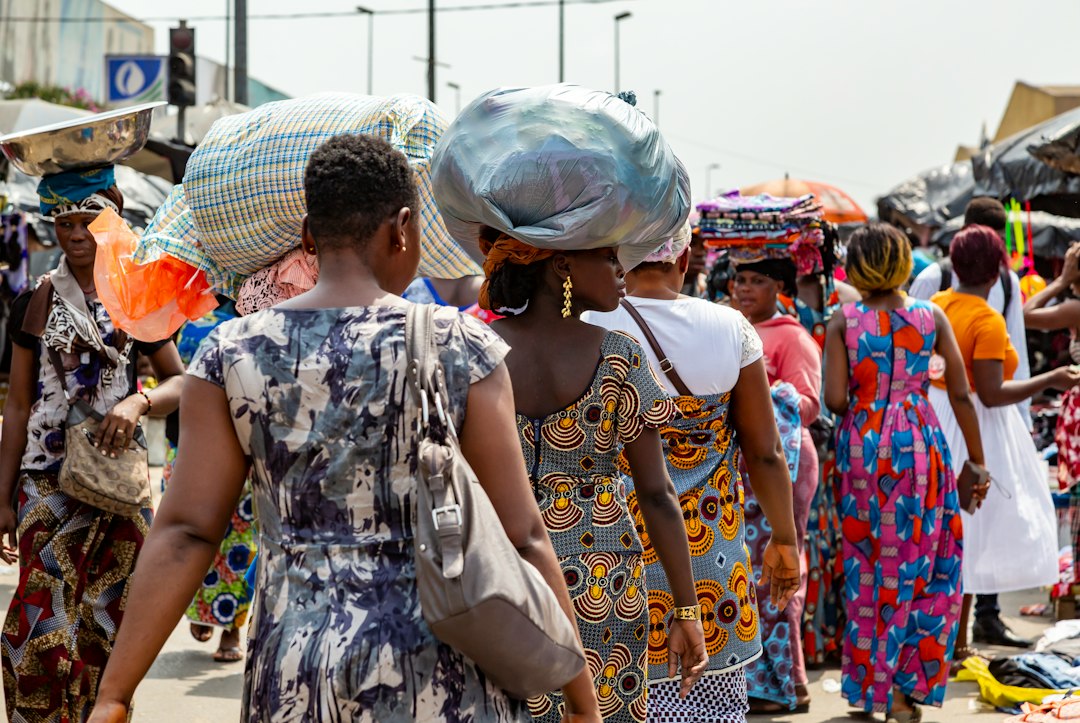
Côte d’Ivoire is the leading economic power in UEMOA and one of the most dynamic economies in Africa, with GDP growth of 6 to 7% per year since the early 2020s. Investing in Côte d’Ivoire in 2026 provides access to a market of over 30 million inhabitants, a thriving private sector, and a massive public investment program (PND 2026-2030). Here are the key sectors, expected returns, and risks to be aware of, based on data from the AfDB, the World Bank, and national accounts.
| Indicator | Value | Source |
|---|---|---|
| Nominal GDP | 52 821 Mds FCFA (2024) | National accounts (INS) |
| Real GDP growth | +6,0 % (2024) ; +6,5 % (2025 est.) ; +6,2 % (2026 proj.) | AfDB |
| Annual inflation | 3,5 % (2024) ; < 3 % (2025-2026) | World Bank / AfDB |
| GDP per capita | ≈ 3 050 USD (2025) | World Bank |
| Population | ≈ 30 millions (2024) | World Bank |
| Public debt | ≈ 57 % of GDP (2025 est.) | AfDB |
| FDI (inflows) | ≈ 2 000 Mds FCFA (2024, +65 % vs 2023) | AfDB / World Bank |
| Currency | FCFA (XOF), fixed parity 655,957 FCFA/EUR | BCEAO |
Key sectors for investing in Côte d’Ivoire in 2026
1. Agriculture and agro-processing (cocoa, cashew, cotton)
Côte d’Ivoire is the world’s leading producer of cocoa and cashew nuts. Local processing (chocolate, kernels, juice) remains largely underexploited: less than 30 % of cocoa production is processed on-site, representing a major source of added value for investors.
The Afriques newsletter
- Free & no spam
- 1 email per day
- Unsubscribe in 1 click
2. Energy and hydrocarbons (Baleine field)
The start of production of phase 2 of the Baleine oil and gas field strengthens energy self-sufficiency and export revenues. The country continues to develop its electricity mix (gas, hydropower, solar) and is seeking private partners for renewable energy.
3. Mining (gold, manganese) and industries
Non-monetary gold and manganese production is growing. FDI in the mining sector places Côte d’Ivoire among the top destinations in the UEMOA zone. Investments in mineral processing and mining services are promising.
4. Infrastructure and real estate (PND 2026-2030)
The National Development Plan 2026-2030 plans ≈ 114 838 Mds FCFA in investments (≈ 209 Mds USD), focused on energy, infrastructure, agro-industry, and human capital, with 70 % expected from the private sector. Abidjan concentrates the bulk of residential and commercial real estate demand.
Expected returns and start-up capital
Treasury bills and bonds issued by the Ivorian State (issued via the BCEAO, UEMOA market) offer a return of around 5 to 8 % per year, with an entry ticket accessible from 100 000 FCFA. Côte d’Ivoire raised 2,6 Mds USD in eurobonds in 2024 and 1,75 Md USD in 2025, a sign of solid access to international markets. For capital of 1 to 5 millions FCFA, local trade, agri-food processing, and digital services remain the most accessible entry points.
Risks and legal framework to know
- Taxation: the tax burden (≈ 13,8 % of GDP in 2024, rising toward 15,7 %) remains below the UEMOA standard of 20 %, and revenue mobilization efforts are ongoing.
- Business climate: Côte d’Ivoire regularly improves its attractiveness, but administrative procedures and land tenure can remain complex.
- External risks: global trade tensions, fluctuations in commodity prices (cocoa, cashew) and a reduction in official development aid.
- Exchange rate: the FCFA (XOF) is pegged to the euro (655,957 FCFA/EUR) and guaranteed by the French Treasury — a stability factor for euro-based investors.
Frequently asked questions
What is the minimum amount to invest in Côte d’Ivoire?
Treasury bills are accessible from approximately 100 000 FCFA through an accredited bank. A small commercial or processing activity generally starts between 500 000 and 2 millions FCFA. The Investment Code provides benefits (exemptions, facilitation) for larger projects.
Can you invest in Côte d’Ivoire from France?
Yes. Since the FCFA is pegged to the euro, transfers from France are straightforward and free of exchange rate risk. Diaspora investors can set up a company, invest in real estate, or subscribe to public securities through local banks and the regional stock exchange (BRVM).
What are the most profitable sectors in Côte d’Ivoire?
Agro-processing (cocoa, cashew), energy and hydrocarbons (Baleine), mining (gold), PND 2026-2030 infrastructure, and real estate in Abidjan show the best return prospects in 2026, according to the AfDB and the World Bank.
Will Ivorian growth be sustained?
The outlook remains favorable: the AfDB projects average growth of 6,4 % over 2026-2027, supported by the PND 2026-2030, hydrocarbons, and mining. The main risks are external (trade tensions, multilateral financing).
Further reading
- Complete guide: investing in Africa in 2026
- Average salary in Côte d’Ivoire in 2026
- Sending money to Côte d’Ivoire: fees and rates comparison
- Investing in real estate in Côte d’Ivoire
- Banks and mobile money in Côte d’Ivoire