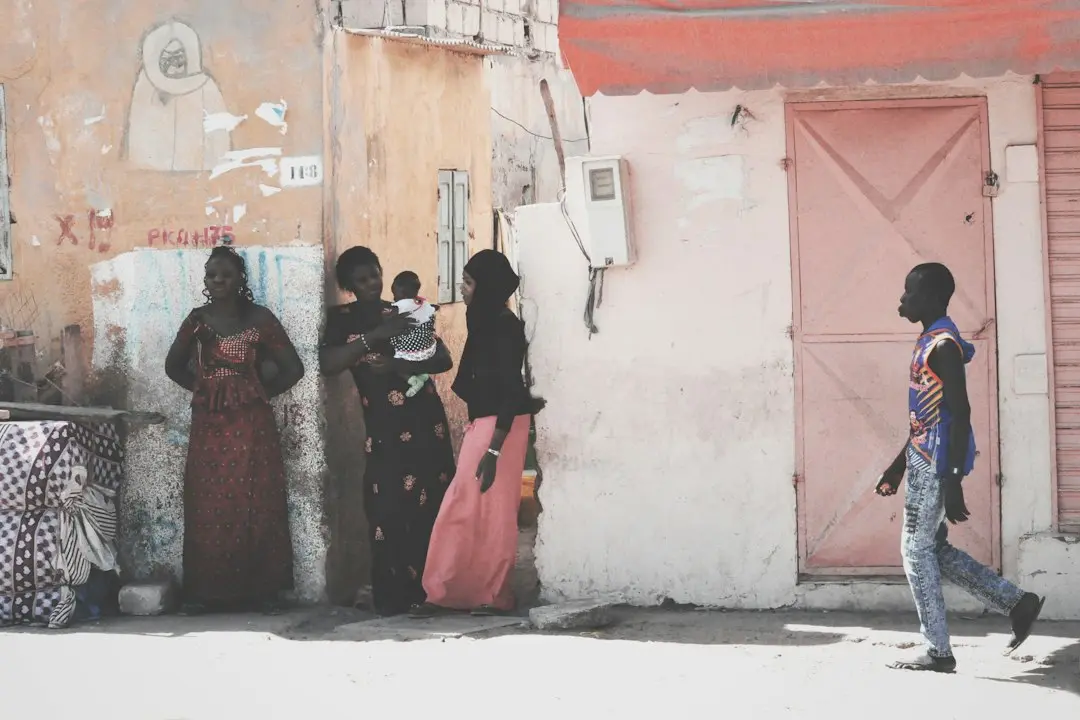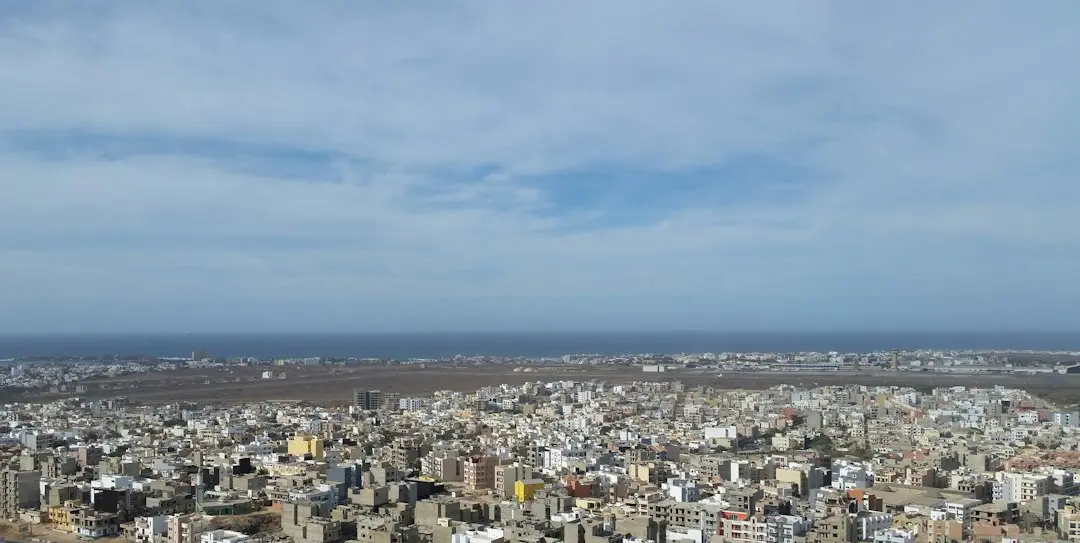




The sun rises over Dakar, but it is another light that now illuminates Senegal: the glow of screens, data, and connections. In the streets of Pikine as in the quiet offices of the Plateau, a profound change is taking place. The country is no longer content to follow the march of the digital world. It is shaping it in its own way, redrawing the contours of its society. A silent revolution, but a very real one.
An ultra-connected youth, driving change
At the heart of this transformation is a generation that has never known a world without the Internet. In Senegal, more than 70% of the population is under 35. And among them, a majority lives with a smartphone in hand, often their only tool for accessing education, the economy, and culture.
“My phone is my school, my office, and my passport to the world,” says Aminata, 22, a computer science student in Thiès. She takes online courses, sells clothes on Instagram, and runs a blog on cybersecurity. Like her, thousands of young Senegalese are reinventing their daily lives through digital technology.
According to figures from the Telecommunications and Postal Regulatory Authority (ARTP), the mobile Internet penetration rate now exceeds 90% in the country. A spectacular leap in less than ten years, which has upended social relations, education, and even governance.
Local start-ups shaking up the models
In the bright corridors of the DER (Délégation générale à l’Entrepreneuriat Rapide), the excitement is palpable. Here, hundreds of projects come to life each year, driven by entrepreneurs who want to solve local problems with digital solutions.
“Digital technology is our chance to create our own models, adapted to our realities,” says Cheikh Diop, founder of SamaTaxi, a 100% Senegalese urban transport application. Launched in 2020, it now has more than 200,000 active users in Dakar and aims to expand to other cities in West Africa.
Platforms like MaTontine, which digitalizes traditional savings systems, or SunuCity, which offers smart urban management services, show how local innovation can meet deep-seated needs. In 2023, Senegal recorded more than 450 active start-ups, a record in the sub-region.
An administration digitalizing at full speed
The digital transformation is not limited to the private sector. The Senegalese government launched the “Sénégal Numérique 2025” program in 2020, with the ambition of making the country a regional technology hub. One of its pillars: the digitalization of public services.
“Today, you can create a company online in less than 48 hours,” explains Fatou Bâ, director of the State IT Agency (ADIE). “It is a huge time saver, but also a way to reduce corruption and strengthen transparency.”
The national online public services portal, “ServicePublic.gouv.sn,” already allows more than 60 administrative procedures to be completed remotely. The project aims to achieve 100% digitalized services by 2025. A revolution for millions of citizens who are often far from urban centers.
A digital divide that persists in rural areas
But this transformation is not uniform. In the countryside of Fouta or Casamance, connectivity remains a luxury. Fewer than 40% of rural households have regular access to the Internet, according to the ANSD (National Agency for Statistics and Demography).
“We talk about digital technology, but here, we can barely get a signal,” says Mamadou, a primary school teacher in Kédougou. “My students have never touched a computer.”
To bridge this gap, initiatives are emerging. The “Smart Villages” project, launched in partnership with the European Union, aims to equip 100 rural communities with community digital centers. Connected buses also travel the roads to offer remote training.
But the challenge remains immense. Without solid infrastructure and basic digital education, part of the country risks being left on the margins of this new society.
A digital culture redefining identities
Beyond the economy and administration, digital technology is profoundly transforming cultural representations. Senegalese music, cinema, and fashion are exploding on social media, driven by boundless creativity.
“Before, we waited for a Parisian producer to notice us. Today, we create, we post, and the world watches us,” enthuses Binta, a singer and influencer based in Saint-Louis. Her latest music video, filmed with a smartphone, has surpassed 2 million views on TikTok.
Digital platforms are becoming spaces for storytelling, identity affirmation, and resistance. People speak wolof, pulaar, sérère. A digital Africanness is being claimed, free from Western codes.
But this freedom also has its dark sides: misinformation, cyberbullying, surveillance. Senegal, like many African countries, still needs to define the rules of this new virtual agora.
Toward a hybrid and singular social model
What Senegal is building today is neither a copy of the Western model, nor a return to the past. It is a hybrid, where traditions coexist with screens, where griots become YouTubers, where markets open up on WhatsApp.
“We don’t just want to consume digital technology. We want to produce it, adapt it, inhabit it,” summarizes Alioune Sall, sociologist and director of the Institut des Futurs Africains. “It is a question of sovereignty, but also of dignity.”
The country is betting on digital education from primary school, on local data centers, on data protection laws. It seeks to create an ecosystem where technology serves social bonds, and not the other way around.
But this ambition raises a dizzying question: how far can a society be transformed without losing its soul?
Also read on African dynamics
To place this subject in a continental perspective, also consult GDP of African countries, profitable businesses in Africa, African capitals and jobs recruiting in Africa.