
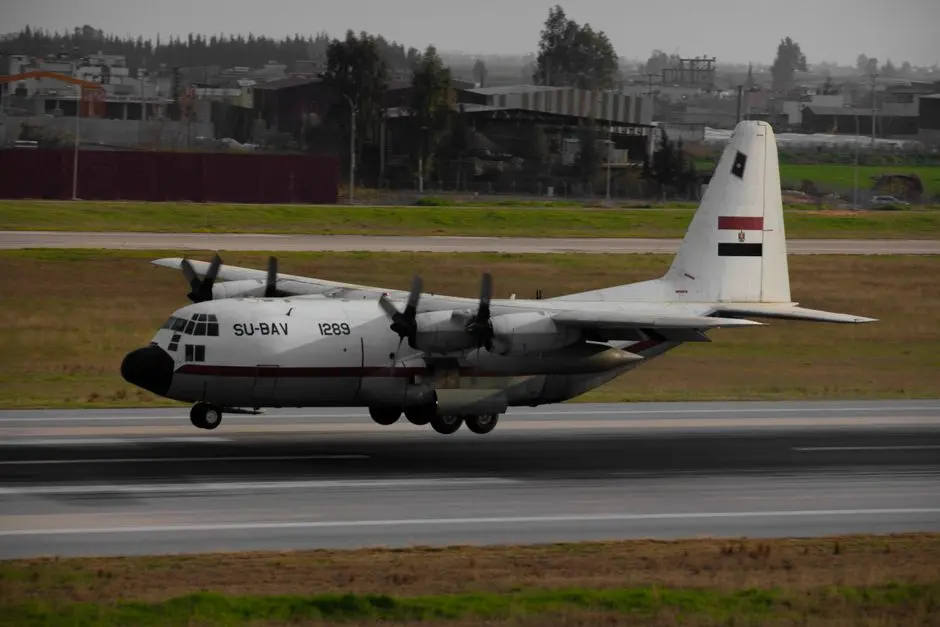
It was on the sidelines of an economic forum, far from the usual protocol rooms, that aviation resurfaced in Senegalese-Egyptian diplomacy. On the 3 of October, on the occasion of the Alamein–Africa Business Forum, President Bassirou Diomaye Faye received Hussein Sherif Fahmi, Chairman and CEO of Air Cairo — Egypt’s second airline — to discuss the resumption of a direct air link between Cairo and Dakar.
A route in preparation, not yet confirmed
The Senegalese presidency, in an official note, specifies that the route is “currently in preparation” by Air Cairo. The distinction is important: this is not an announcement of imminent launch, but a project in gestation, whose implementation remains to be confirmed. No launch date, frequency, or aircraft type has been communicated. This preliminary stage raises questions about the commercial conditions that would allow the route to be viable — sufficient traffic, traffic rights, pricing — aspects that the presidential meeting has not, at this stage, made public.

The Afriques newsletter
- Free & no spam
- 1 email per day
- Unsubscribe in 1 click
Direct air connectivity between sub-Saharan Africa and Egypt has historically remained fragile. Several airlines have opened and then suspended routes to Dakar, due to insufficient load factors or lack of profitability. Air Cairo’s resumption will therefore need to be based on solid market analysis, especially since the airline is positioning itself on a segment already contested by stopovers via Gulf or European hubs.
Beyond passengers: cargo and training
The meeting went beyond the sole question of the passenger route. According to the Senegalese presidency, Air Cairo expressed its willingness to support Air Sénégal in the training of its engineers, mechanics and flight crew. An offer that comes at a time when the Senegalese national carrier is going through structural turbulence and is looking to consolidate its technical expertise without necessarily mobilizing costly external resources.
The Egyptian company has also expressed its interest in opening a cargo route between the two countries, with the aim of supporting their trade exchanges. This freight component deserves attention: the flow of goods between Egypt and Senegal remains modest, and the absence of a direct cargo route is as much a symptom as a cause of this underdevelopment of trade. A cargo route could, in time, feed into sectors such as agri-food, textiles, or pharmaceuticals — provided that demand is there.
Senegal as a hub: a recurring ambition
Hussein Sherif Fahmi, according to the presidency, emphasized Senegal’s geographical position, describing it as a natural hub open to Africa, Europe and the Americas. This type of discourse has become a classic of aeronautical negotiations with Dakar — the geographical argument is real, but transforming the position into an effective hub requires adequate airport infrastructure, open-sky policies and a critical mass of traffic that the country has not yet fully achieved.
It remains to be seen whether this presidential exchange will translate into concrete operational agreements in the coming months, or whether it will remain a diplomatic intention among others. The ball is now in the court of the commercial departments of both companies.
Source: APS (Agence de Presse Sénégalaise), 3 October 2024.