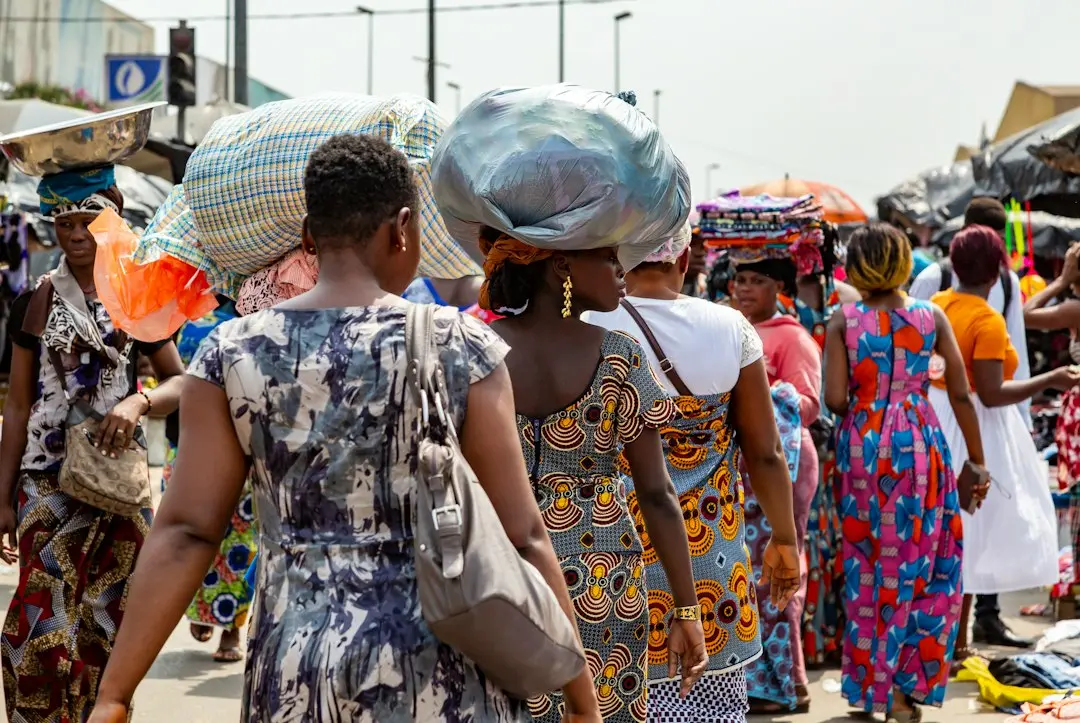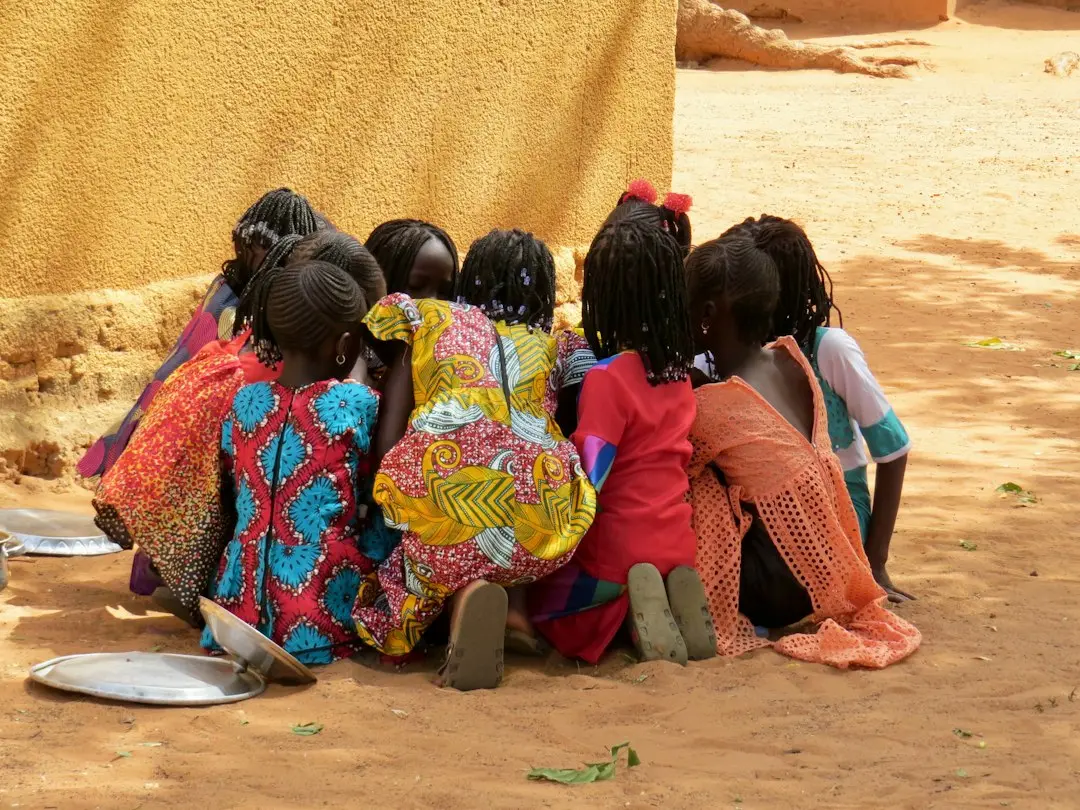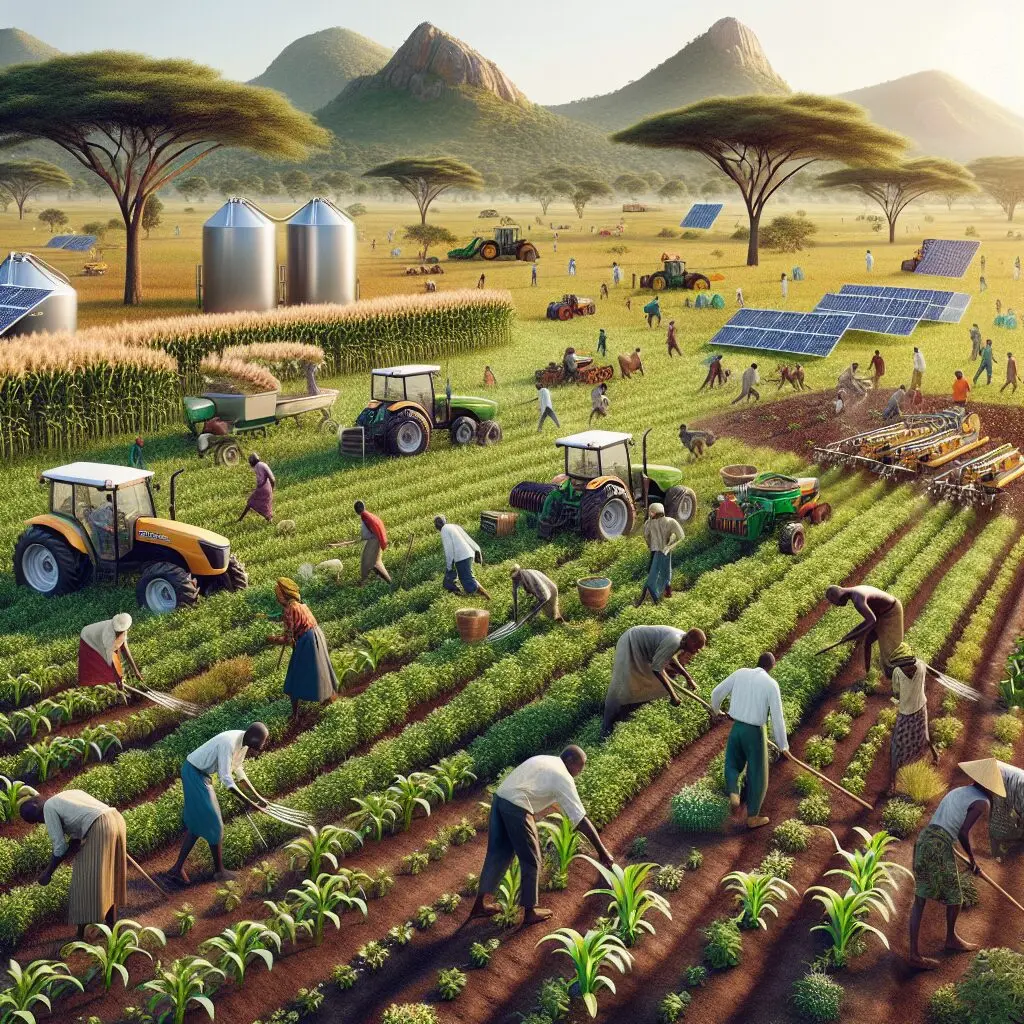




At sunrise, on the plains of Masvingo, a group of children enthusiastically collect plastic bottles. Not to throw them away, but to transform them. Here, in Zimbabwe, the red earth and dry winds are now the stage for a green revolution, driven not by multinationals, but by local communities, visionary engineers and stubborn farmers. Change does not come from above, but from the ground, literally.
Ecological bricks made from recycled plastic
On the outskirts of Harare, walls no longer just tell the story of a country in reconstruction. They bear witness to an unexpected innovation: bricks made from plastic waste and sand. The company GreenBuild Zimbabwe, founded by young engineer Tafadzwa Ndlovu, has revolutionized sustainable construction in the country.
“Each brick contains the equivalent of 25 used plastic bags,” explains Tafadzwa, pointing to a brand-new wall. “We have already recycled more than 2 million bags since 2021.”
Lighter, more insulating and twice as cheap as traditional bricks, these ecological bricks have enabled the construction of more than 300 homes in rural areas of the country. In a country where nearly 70 % of the population lives below the poverty line, this innovation is a game changer.
A forest reborn from forgotten seeds
In the Binga district, in the north-west of the country, an ancestral forest is coming back to life. Where the hills had become bare from deforestation, indigenous trees are resurfacing thanks to the “Roots of Hope” project.
This community programme, launched in 2018, mobilizes women and elders to recollect and replant seeds of endemic species such as mopane, baobab and musasa. More than 1.2 million trees have been replanted in five years.
“Each tree is a memory being restored,” confides Grace Moyo, 62, stroking the trunk of a young acacia. “My father used to tell me that elephants came to drink here. Perhaps they will return.”
The project has restored more than 4,000 hectares of degraded land, while creating 800 seasonal jobs. It draws on assisted natural regeneration techniques, which promote the growth of local species without artificial irrigation.
Solar panels in rural schools
In Chiredzi, in the far south-east, nights are as black as ink. But recently, a soft light has been illuminating the classrooms of the Nyangambe primary school. It comes from the roof, where solar panels glitter under Zimbabwe’s relentless sun.
The “Solar for Schools” programme, launched by a German NGO in partnership with the Ministry of Education, has already equipped 120 rural schools. Each installation provides electricity for lighting, charging computers and even powering small refrigerators for vaccines.
“Before, our students could not study after sunset,” says headteacher Elias Chikomo. “Now they stay until 20:00 to revise. Exam results have jumped by 30 %.”
With an average of more than 9 hours of sunshine per day, Zimbabwe is an ideal setting for solar energy. And this energy transition is beginning where it was least expected: in remote villages, far from the national grid.
An aquaponic farm in the heart of Bulawayo
In a former disused warehouse in Bulawayo, a farm with no soil or tractors grows lettuce, tomatoes and tilapia. Welcome to AquaFarm Zim, a start-up founded by three biology students who bet on aquaponics to feed the city.
The principle? The fish produce nutrient-rich waste, which serves as fertilizer for the plants. In return, the plants filter the water, which returns clean to the fish. A closed cycle, with no pesticides and no waste.
“We use 90 % less water than a conventional farm,” assures Tendai Mutsvangwa, co-founder of the project. “And we can produce all year round, even during the dry season.”
The project already supplies fresh vegetables to five schools and two restaurants in the city. Each month, more than 800 kg of produce are harvested from a surface area of just 200 m².
Solar bikes for healthcare
In the hills of Mutoko, distances are long and the roads steep. For community health workers, visiting patients used to be a daily challenge. Until the arrival of a strange contraption: a bicycle fitted with a solar panel.
Designed by the local workshop ZimTech Mobility, this solar bike can cover up to 50 km per day without effort, while charging a phone or a headlamp. More than 300 units have been distributed to rural healthcare workers since 2022.
“I can now visit up to eight patients a day,” says Memory Dube, community nurse. “Before, it was three at most. And I can keep my vaccines cool thanks to the solar cool box.”
The project has been praised by the WHO as one of the most promising innovations for rural healthcare. It has already helped improve vaccination coverage by 15 % in some remote areas.
Ecological toilets that produce biogas
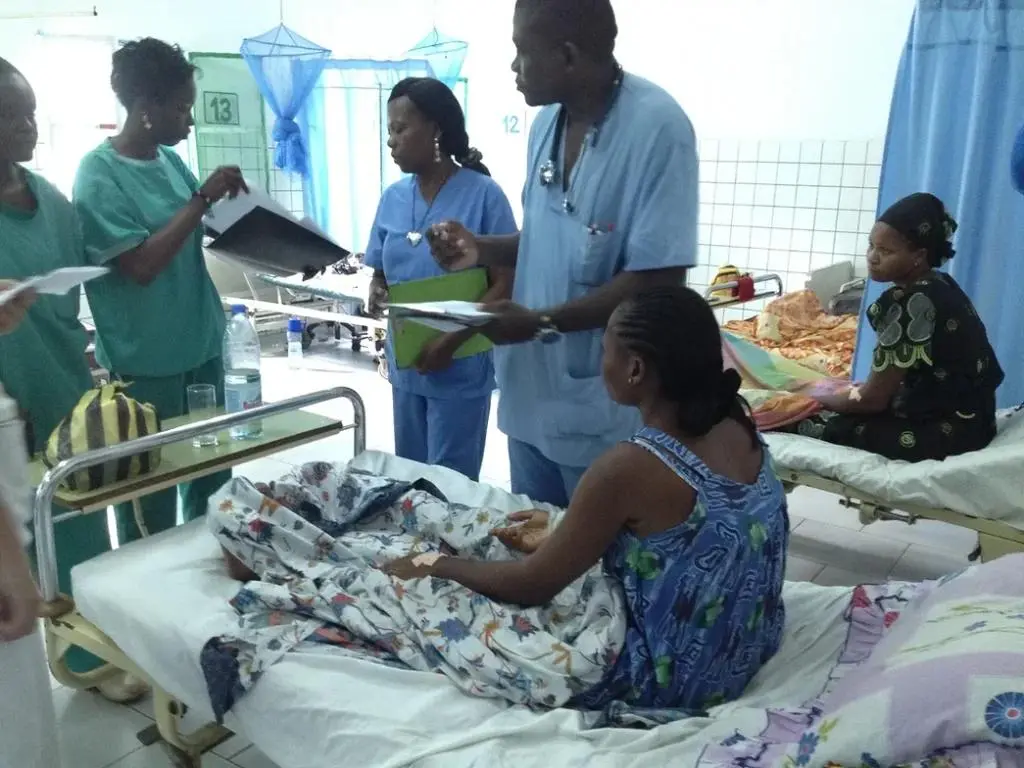
In Epworth, a poor suburb of Harare, a smell of cleanliness hangs around the new communal latrines. And for good reason: these toilets do not pollute — they produce energy.
The system, developed by the start-up CleanLoop, transforms human excrement into biogas, used for cooking or heating water. At the same time, solid waste is composted to fertilize urban gardens.
“We have reduced cases of diarrhoea in the neighbourhood by 40 %,” says Doctor Farai Mashingaidze, who has been following the project since its beginnings. “And women are no longer afraid to use the toilets at night, as they are well lit.”
Each unit serves up to 50 families and saves nearly 500 kg of firewood per year. A small technological miracle in a context of chronic energy crisis.
Zimbabwe, often perceived through the lens of its political or economic crises, is gradually becoming a laboratory for bold ecological experiments. These projects, often modest but deeply rooted in local realities, sketch out a different vision of the future. What if the salvation of the continent came precisely from these ideas born on the margins, where no one is yet looking?
Also read on green projects and the economy
Environmental projects in Zimbabwe are part of a continental trend: economic transition and business in Africa, jobs recruiting in Africa and most developed countries in Africa.