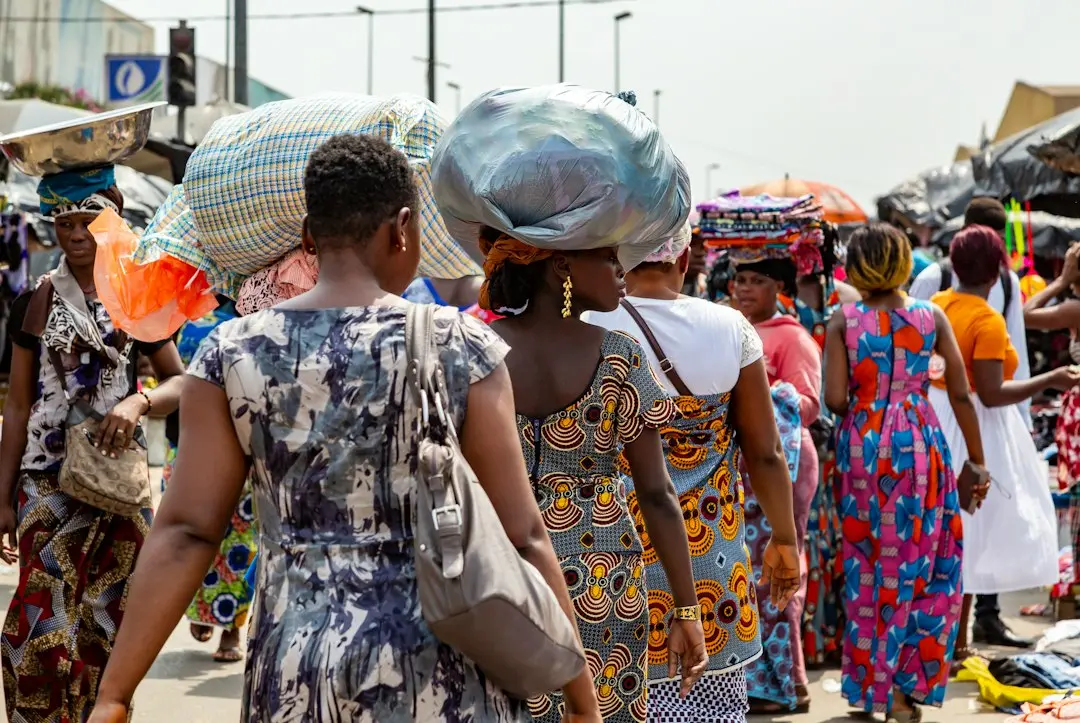




When the sun rises over the plains of Mashonaland, it illuminates fertile lands long neglected, but now at the heart of an unexpected renaissance. In Zimbabwe, a country once nicknamed the breadbasket of southern Africa, agriculture is returning to the forefront, driven by a generation of innovators and farmers determined to rewrite their story.
A wounded land, but not defeated
Zimbabwe has experienced decades of economic turmoil. Following the controversial land reform of the early 2000s, agricultural production collapsed. The country, which once exported maize, tobacco and cotton in abundance, became dependent on food imports and humanitarian aid.
“I remember when our silos were overflowing,” recalls Tendai Moyo, a 62-year-old farmer in the Gweru region. “Then everything stopped. The tractors stood idle, the fields abandoned.”
But in recent years, a stirring has been moving through the countryside. Driven by a new political will and a connected youth, the agricultural sector is slowly being reborn. In 2023, maize production reached 2.3 million tonnes, an increase of 58% compared to the previous year, according to the Ministry of Agriculture.
Technology enters the fields
In the valleys of Manicaland, drones can now be seen flying over crops and solar panels powering water pumps. Zimbabwe is betting on agricultural technologies to overcome climate and logistical challenges.
“We use connected soil sensors to monitor moisture and adjust irrigation in real time,” explains Rutendo Chikafu, agronomic engineer and founder of SmartFarm Zim, a start-up based in Mutare. “This helps reduce water losses by up to 40% and increase yields.”
Mobile applications such as e-Mkambo or Agrishare connect producers and buyers, reducing the role of intermediaries and improving farmers’ incomes. In 2022, more than 120,000 Zimbabwean users used these platforms, according to a study by the University of Zimbabwe.
The return of the smallholder
Unlike the large commercial farms of the 1980s, the current revival relies on small-scale producers. They now account for nearly 70% of national food production.
In Murehwa, in the east of the country, Sarah Nhira grows sorghum, cowpeas and organic vegetables on a two-hectare plot. “We were long told that only large-scale monoculture was profitable. But today, diversity is our strength,” she says.
With the help of community cooperatives, small farmers gain access to improved seeds, training and microcredit. The Pfumvudza programme, launched by the government in 2020, encourages cultivation on small plots using soil conservation techniques. In three years, it has reached more than 2 million households.
The agro-industry bet
Reviving agriculture is not enough. To create value, Zimbabwe is also betting on local processing. Rice husking factories, fruit packaging facilities and sunflower oil manufacturing plants are emerging in several provinces.
In Chinhoyi, a former tobacco farm has been converted into a cassava processing unit. “We produce gluten-free flour, which is in high demand for export,” explains Tapiwa Dube, director of Cassava Foods Ltd. “In 2023, we sold more than 300 tonnes to South Africa and Kenya.”
The government has launched an agro-industrial strategy for 2021-2025, aiming to create 500,000 jobs and increase agricultural exports by 60%. An ambition that remains fragile, but which is attracting the attention of regional investors.
Persistent obstacles
Despite these positive signals, challenges remain numerous. Access to credit remains limited, with interest rates often exceeding 30%. Transport infrastructure, particularly rural roads, is often in a poor state. And the effects of climate change are being felt a little more strongly each year.
“A drought can cut our harvests in half,” laments John Bhasera, permanent secretary at the Ministry of Agriculture. “We need to invest heavily in irrigation and climate resilience.”
The question of land ownership also remains sensitive. Many farmers do not have official title deeds, which limits their ability to borrow or invest.
A youth ready to sow the future
In agricultural schools and business incubators, a new generation of Zimbabweans is preparing to take over. They are engineers, biologists, entrepreneurs, who see in the land not a burden, but an opportunity.
“Agriculture is no longer about the hoe and sweat. It’s about innovation, science, strategy,” asserts Takudzwa Mhlanga, 28, a graduate in agroeconomics and founder of GreenRoots Africa. “We want to feed our country, but also the world.”
Agricultural innovation competitions attract hundreds of young people every year. In 2023, the AgriDrone project, developed by three students from the University of Harare, won the national technology prize for its artificial intelligence-based crop monitoring system.
Zimbabwe, still convalescing, seems ready to rise again through its fields. Could the land, long a source of conflict, once again become a driver of unity and prosperity? The answer may be playing out, in silence, in the freshly drawn furrows of its countryside.