

In the bustling streets of Harare, a young dancer rehearses her moves in front of her phone propped on a cardboard box. In the background, children watch her, fascinated. A few hours later, her video is making the rounds on social media. She doesn’t know it yet, but she has just crossed an invisible border: the one separating tradition from digital innovation. Zimbabwe, long perceived as frozen in its economic difficulties, is reinventing its culture through screens, platforms, and pixels.
A cultural heritage seeking renewal
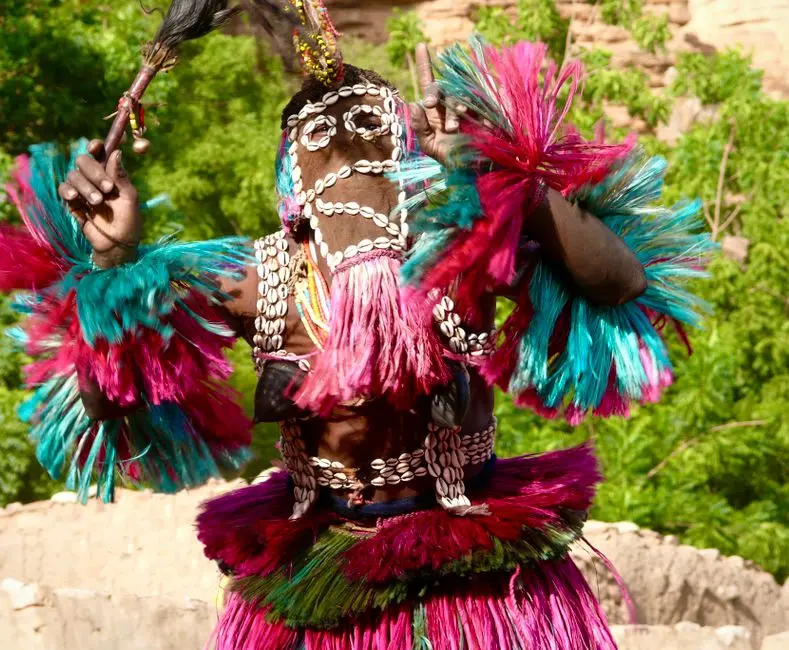
Zimbabwe has an ancient cultural wealth, shaped by centuries of history and traditions. From the mbira — an ancestral instrument with enchanting sounds — to Shona ritual dances, the country’s identity is deeply anchored in its roots. But how can this heritage be preserved in a world where young people spend more time on TikTok than at community ceremonies?
The Afriques newsletter
- Free & no spam
- 1 email per day
- Unsubscribe in 1 click
“It is not about replacing our traditions, but translating them into a language young people understand,” explains Tafadzwa Moyo, founder of Digital Mbira, a start-up that digitizes traditional sounds to integrate them into electronic music. “If we do nothing, this knowledge will disappear.”
According to a study conducted by the University of Zimbabwe in 2022, nearly 68 % of young people under 25 years old do not know the traditional songs of their ethnic group. Faced with this gradual loss, artists and cultural institutions have decided to act, turning to digital technology as a tool for transmission.
Digital technology as a cultural scene
Since the COVID-19 pandemic, Zimbabwean artists have massively invested in digital platforms. YouTube, Instagram, Facebook Live and especially TikTok have become the new stages where the country’s artistic performances take place.
“Before, I had to wait for a festival or an invitation to perform. Now, I can post a video every week and reach people in London, Nairobi or Tokyo,” says Chipo Ncube, a 34-year-old urban storyteller. Her traditional tales, told in Shona and subtitled in English, have accumulated more than 500 000 views.
Cultural festivals have also migrated online. The famous Harare International Festival of the Arts (HIFA) now offers a digital edition, with performances filmed in high definition and broadcast via streaming. In 2023, more than 1,2 million virtual spectators attended the event, a record never achieved in person.
A creative economy in the midst of transformation
Beyond broadcasting, digital technology is also transforming the culture economy in Zimbabwe. Creators can now monetize their works via platforms like Patreon, YouTube or cultural NFTs. A silent revolution is underway.
“Before, selling an album was an obstacle course. Today, I publish my tracks on Spotify and receive my income directly,” explains Tendai Mutsvairo, afro-fusion musician from Bulawayo. In 2023, his digital income accounted for 80 % of his annual earnings, compared to barely 15 % five years earlier.
The government is also beginning to take an interest in this emerging economy. A support fund for digital creation was launched in 2022, endowed with 2 million dollars. It aims to finance innovative cultural projects, ranging from virtual reality to the digitization of historical archives.
The memory of the past, preserved online
If digital technology enables creation, it also plays a crucial role in preservation. Local initiatives are multiplying to archive traditional dances, songs, objects, and stories on platforms accessible to all.
The “Virtual Great Zimbabwe” project is a striking example. Thanks to augmented reality, it lets you visit the ruins of Great Zimbabwe as if you were there, while listening to the stories of the elders. “It’s a way of making our history come alive, of taking it out of dusty books,” explains Rutendo Chikore, digital historian.
Primary schools are beginning to integrate these tools into their curriculum. In Mutare, a CM2 class recently studied the history of the Shona clans through an interactive application. The experience deeply moved the students. “It was like traveling in time,” says Tapiwa, 11 years old, eyes shining.
The challenges of a digital shift
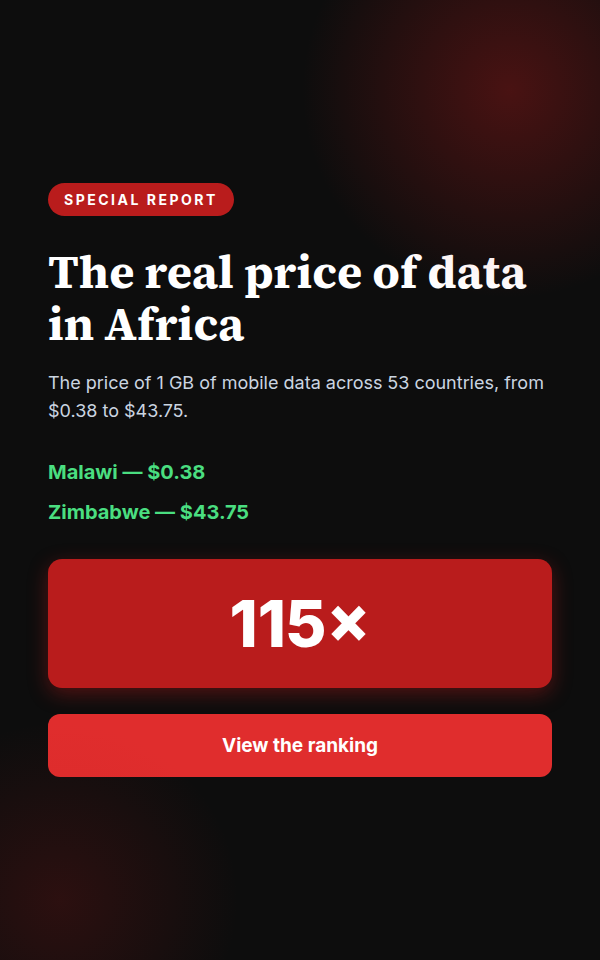
But this transformation is not without obstacles. Internet access remains unequal in the country: only 38 % of rural households have a stable connection. The cost of equipment, the digital divide and technical training still hold back many artists.
“I had to sell my phone to buy a microphone,” confides Farai, a young rapper from Gweru. “Without equipment, you don’t exist online.”
Another challenge: copyright protection. With the rise of digital content, many artists complain that their works are copied or used without permission. The legal framework struggles to keep up with the rapid evolution of uses.
The Ministry of Culture has promised a reform of intellectual property law, but it has been slow to materialize. In the meantime, artists’ collectives are organizing to raise awareness and train their peers in the management of their digital rights.
A new generation at the helm
Behind this silent revolution, a new generation of creators is leading the dance. They are videographers, designers, musicians, storytellers or developers, and all share the same credo: reconnecting Zimbabwe to itself, through digital technology.
“We do not want to be copies of Hollywood or Lagos. We want to tell our own stories, with our own words, our own images, our own sounds,” says Nokutenda, founder of ZimStories, an interactive storytelling platform.
Their ambition goes beyond borders. In 2023, the short film “Mvura Inodonha”, shot entirely with a smartphone, was selected at the Cannes Film Festival in the Short Films category. A first for Zimbabwe.
As these voices rise, one thing becomes clear: Zimbabwean culture is not disappearing. It is transforming, adapting, spreading. And it finds in digital technology not a threat, but a mirror. A mirror where past and future meet.
While ancient drums now resonate through Bluetooth headphones, one question remains: how far can this digital renaissance carry the soul of a people?