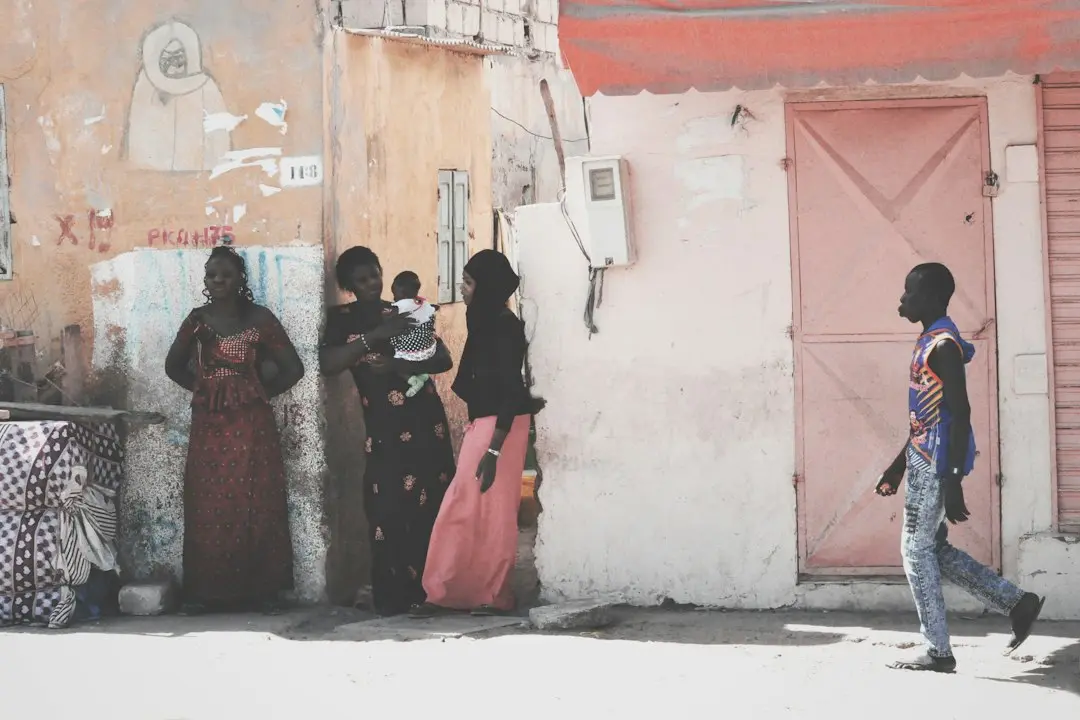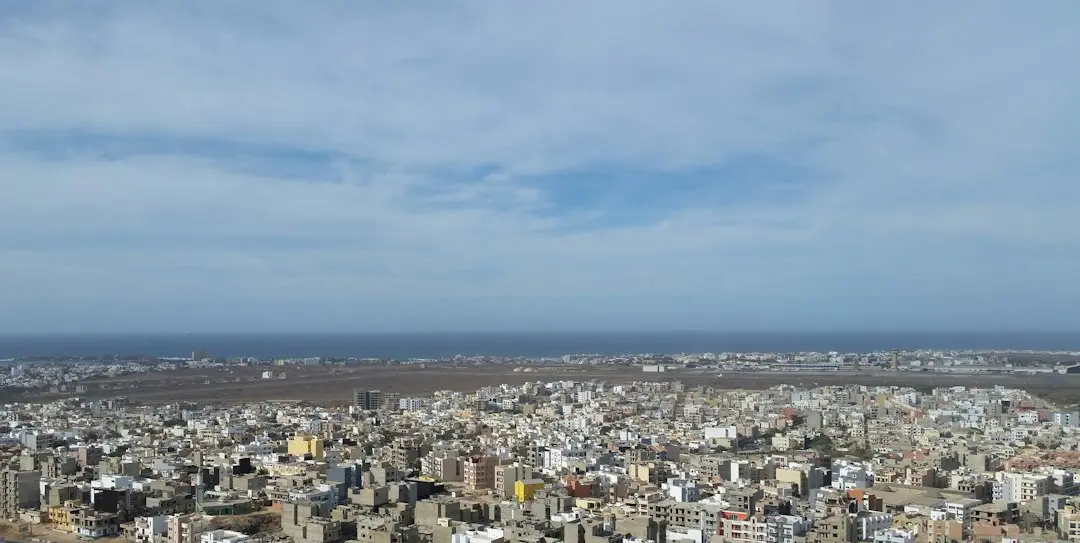




In the bustling alleyways of Dakar, between the honking of taxis and the scent of grilled fish, a silent generation is redefining the rules of the game. They are not yet thirty, but already carry on their shoulders the hopes of a continent. Their weapon? Entrepreneurship. And their favorite playground seems to be Sénégal.
An ecosystem in full ferment
Ten years ago, talking about startups in Sénégal was almost the stuff of science fiction. Today, incubators are sprouting like baobabs after the rain. The country has more than 30 support structures in Dakar alone, including the emblematic Jokkolabs, Impact Hub, and DER Startup House.
“In 2015, it was hard to find a coworking space open to the public. Today, young people come to pitch their ideas as if they were in Silicon Valley,” marvels Khadim Fall, founder of the e-commerce platform PayDunya.
The Senegalese government sensed the potential. In 2018, it launched the Délégation générale à l’Entrepreneuriat Rapide (DER), endowed with an initial budget of 30 milliards de francs CFA. The goal: to fund, train, and propel project holders. In five years, more than 150 000 entrepreneurs have been supported, according to official figures.
Young people who refuse exile
The face of the Senegalese entrepreneur has changed. They are young, connected, multilingual. And above all, they have decided to stay.
“My father left for France at 19. I chose to stay here and build something,” confides Aminata Diop, 27, founder of TerangaTech, a startup that develops solar solutions for rural areas.
This choice is far from trivial. Sénégal, like many African countries, faces endemic youth unemployment. In 2023, nearly 40 % of those under 35 had no stable employment. But instead of yielding to the temptation of Europe, a portion of this youth is turning precarity into opportunity.
“Entrepreneurship has become a form of resistance. We create our own jobs because no one else will do it for us,” adds Aminata, her gaze determined.
Between tradition and innovation
What makes the Senegalese ecosystem so singular is its ability to blend modernity with deep roots. In Saint-Louis, a women’s cooperative transforms typha, an invasive plant, into ecological building materials. In Ziguinchor, a former engineer turned entrepreneur manufactures drones to monitor rice crops.
“We are not copying Silicon Valley. We are doing made in Sénégal,” proudly summarizes Moussa Sarr, founder of Baobab Robotics, a startup that designs robots for local agriculture.
This hybridization between ancestral know-how and cutting-edge technology attracts interest even beyond borders. In 2022, Sénégal attracted more than 60 millions de dollars in funding for its startups, a record in the sub-region.
Women on the front line
Long confined to the informal economy, Senegalese women are now storming the spheres of innovation. They lead companies in fintech, agritech, fashion, and digital education.
Fatoumata Ndiaye, 34, founded Kalista, a micro-credit application aimed at market vendors. “They don’t need pity, they need tools to grow,” she explains.
According to a World Bank study, Sénégal is one of the African countries with the highest proportion of women entrepreneurs: nearly 41 % of companies created in 2022 were founded by women.
“Here, we don’t talk about empowerment as a slogan. It is a daily reality,” insists Fatoumata, sipping a café Touba in her office in the Médina.
Still colossal challenges
But not everything is rosy under the Atlantic sun. Obstacles remain numerous: access to financing, unequal digital infrastructure, administrative slowdowns, lack of experienced mentors.
“We spend more time filling out paperwork than developing our product,” laments Idrissa Kane, who is trying to launch a delivery application in Thiès.
The economic fabric remains dominated by the informal sector, which accounts for nearly 95 % of jobs. And many young entrepreneurs navigate between resourcefulness and precarity, without any real safety net.
“A deep reform of the business environment is needed. We cannot talk about a start-up nation with daily power outages,” summarizes a sector expert, speaking on condition of anonymity.
A model for the Africa of tomorrow?
Despite its flaws, Sénégal inspires. It shows that a country can bet on its youth, on local innovation, on the strength of community. It also proves that entrepreneurship is not reserved for an urban elite, but can become a lever for inclusion and social transformation.
“What I see here is a silent revolution. Young people are not protesting, they are creating,” observes Marie-Hélène Verdier, a French researcher who has been based in Dakar for 10 years.
In cafés, workshops, and innovation lounges, ideas are flying. Applications to connect fishermen to markets, platforms to digitize Quranic schools, solutions to recycle plastic waste into construction bricks.
What if, at the end of the day, the future of Africa were being decided here, in this narrow strip of land between desert and ocean, where hope has taken the shape of a business plan scribbled in a school notebook?
To learn more about entrepreneurship in Africa
This subject gains in value when linked to economic indicators, capitals, professions, and business opportunities on the continent.