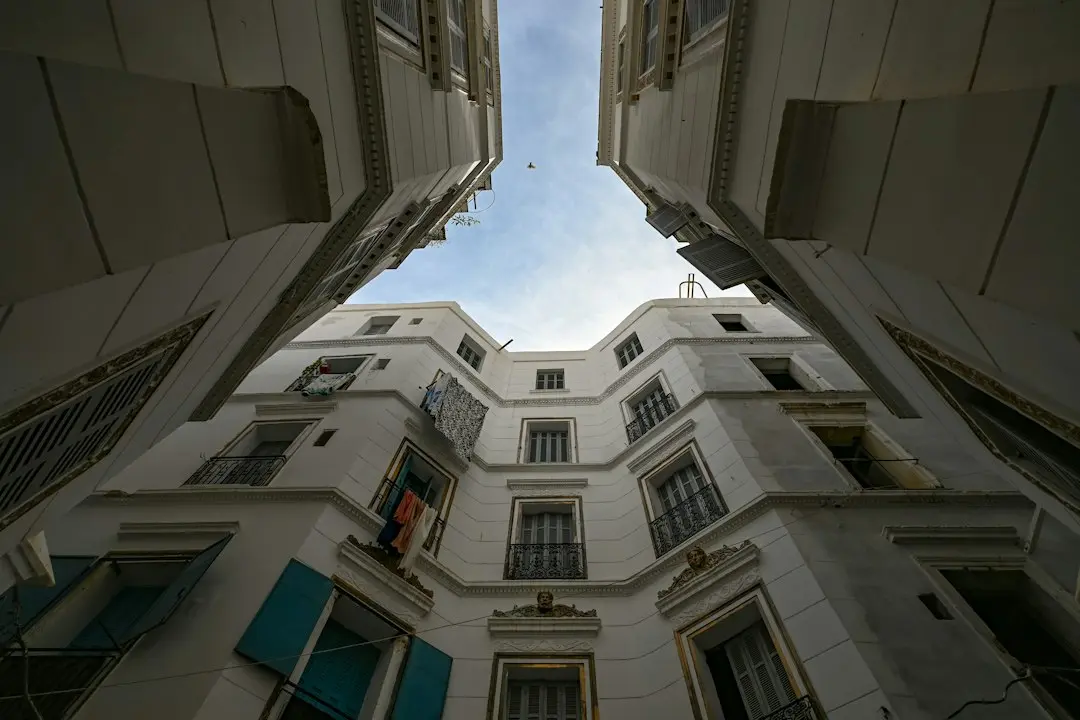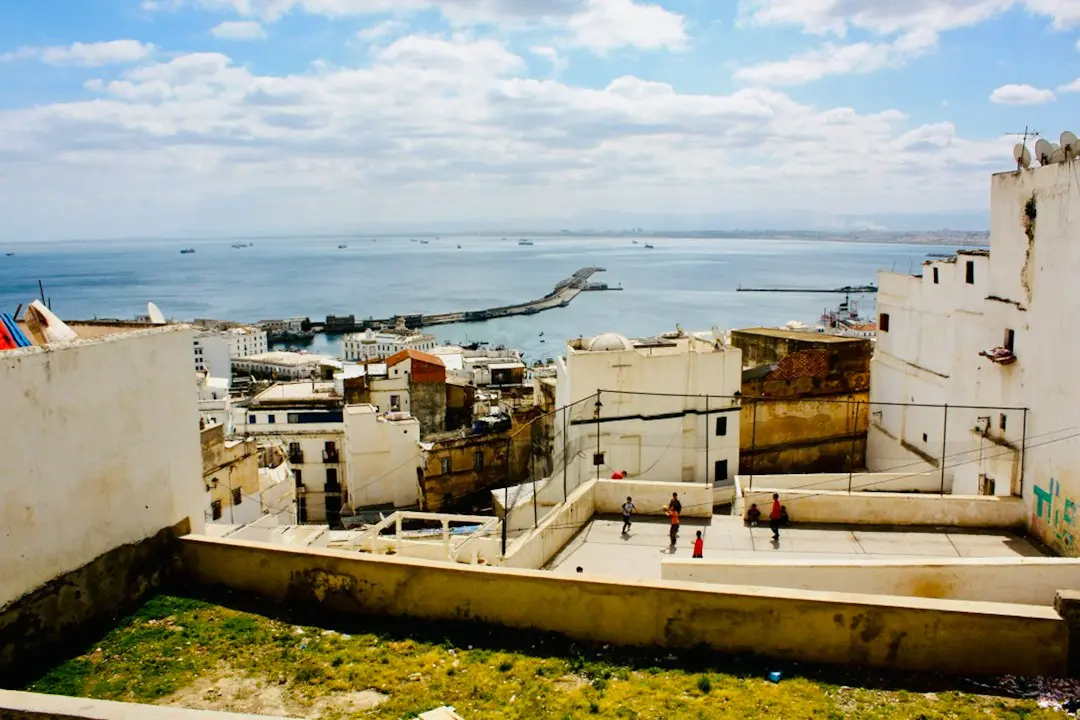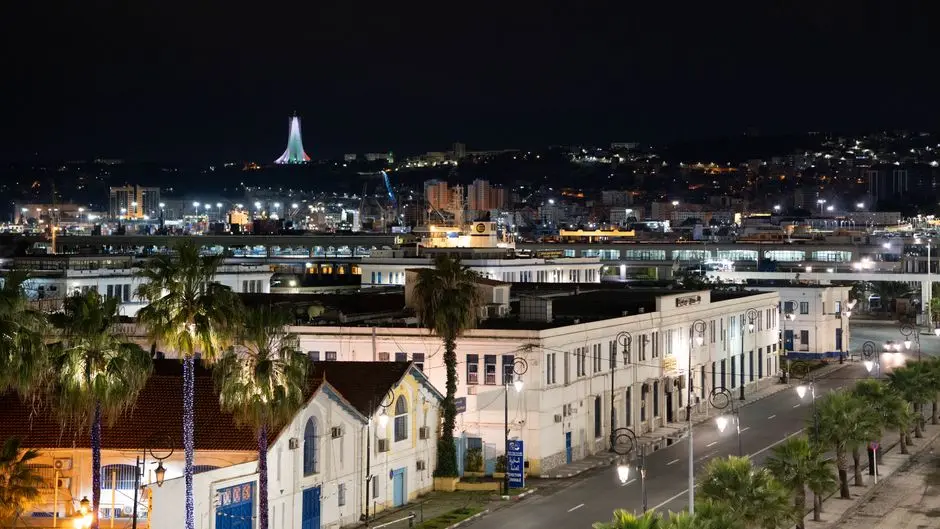




In a bustling alleyway in Alger, between the peeling walls of an old abandoned theater, a voice rises. That of Nour, 27 years old, who transforms this forgotten place into a living stage for a new generation of artists. She is not alone. Everywhere in Algeria, young cultural leaders are reinventing expression, memory and the future through projects as bold as they are inspiring.
A generation that refuses silence
They grew up in a country where culture has long been kept on the margins. Yet these young women and men have chosen to make Algerian heritage a terrain of creation and resistance. Their motto: “We no longer want to wait for things to change, we change them ourselves,” says Karim B., 31 years old, founder of the artistic collective El Fenna.
Since 2019, El Fenna has organized ephemeral exhibitions in public spaces, blending urban art, music and poetry. “We want art to leave closed galleries. For people to see it, touch it, for it to speak to them,” explains Karim. The collective has already taken over more than 20 cities, from Oran to Tamanrasset, and collaborated with more than 80 local artists.
According to a study by the Ministry of Culture published in 2023, more than 60% of cultural projects registered in Algeria come from citizen initiatives led by young people under 35 years old. A dynamic that is upending established norms.
The digital space as a conquest ground
In Constantine, the cultural revolution is playing out on Instagram and YouTube. Videographer and filmmaker Sofiane M., 25 years old, publishes micro-documentaries there on the forgotten traditions of the Constantinois region. His latest episode, dedicated to street storytellers, surpassed 400,000 views in one week.
“People often told me that young people are no longer interested in our culture. That’s false. You just have to tell it differently,” he confides. His project, named “Mémoire Vive”, is supported by a crowdfunding campaign that raised 1.2 million dinars in less than a month.
Digital culture is thus becoming a powerful lever. In 2022, more than 70% of young Algerians declared using social media as their main source of cultural information, according to a report by the Observatoire maghrébin des médias.
Spaces to make ideas resonate
In Tizi Ouzou, an old colonial building has been transformed into a self-managed cultural center: La Maison Bleue. Behind this project is Leïla H., 29 years old, architect and activist. “We wanted a free space, where everyone can come to create, debate, learn.”
La Maison Bleue hosts theater workshops, screenings of Amazigh films, and literary gatherings every month. Entry is free, speakers are volunteers. “It’s not a business, it’s an act of faith in our generation,” insists Leïla.
Since its opening in 2021, more than 12,000 visitors have passed through. The venue has become a rallying point for artists from all over Kabylie. It even received the cultural innovation prize from the Goethe-Institut in 2023.
Bringing forgotten traditions back to life
In Ghardaïa, at the heart of the Mzab valley, Yacine A., 32 years old, is breathing new life into the art of traditional weaving. His workshop, Tiss’Algérie, employs around ten women from the region and trains young people in this ancestral craft every year.
“Weaving is not just fabric. It’s a language, a memory, a way of telling our history,” he explains. Thanks to partnerships with Algerian designers from the diaspora, his creations are now exported as far as Paris and Montréal.
In 2023, Tiss’Algérie was selected by UNESCO as part of the “Jeunes Gardiens du Patrimoine” program. Recognition that shows tradition and modernity can coexist, and even nourish one another.
Culture as a tool for emancipation
For many, cultural engagement is also a way of asserting rights, of breaking taboos. In Annaba, the association Femmes en Scène has been organizing a feminist theater festival since 2020. Its founder, Samira Z., 34 years old, explains: “We give a voice to those who are never listened to.”
The festival highlights plays written and performed by women, often from working-class backgrounds. The themes addressed range from domestic violence to sexual emancipation, through social struggles. “It’s not always easy. We receive threats. But we hold on.”
Over four editions, the festival has attracted more than 15,000 spectators and given birth to several independent theater troupes. Proof that art can be a powerful lever for social transformation.
A new breath, but a fragile one
Despite the energy and creativity, obstacles remain numerous. Lack of funding, administrative burdens, implicit censorship… Young cultural leaders often move against the current. “You have to be ready to do everything yourself. To fight for every authorization, every form of support,” confides Nour, back in Alger.
But the determination is there. And it is spreading. In schools, cafés, public squares, another cultural Algeria is emerging. It is young, free, bold. And it only asks to be heard.
So, will these faces shaping the Algerian culture of tomorrow succeed in inscribing their mark in the marble of history, or will they be condemned to the ephemeral?