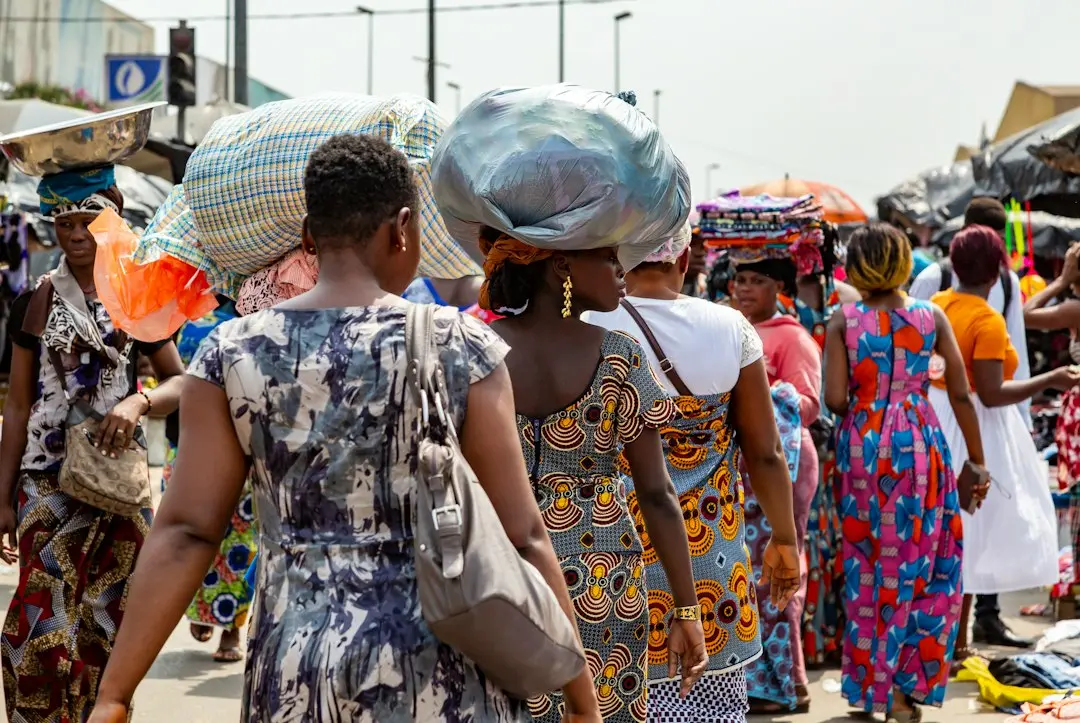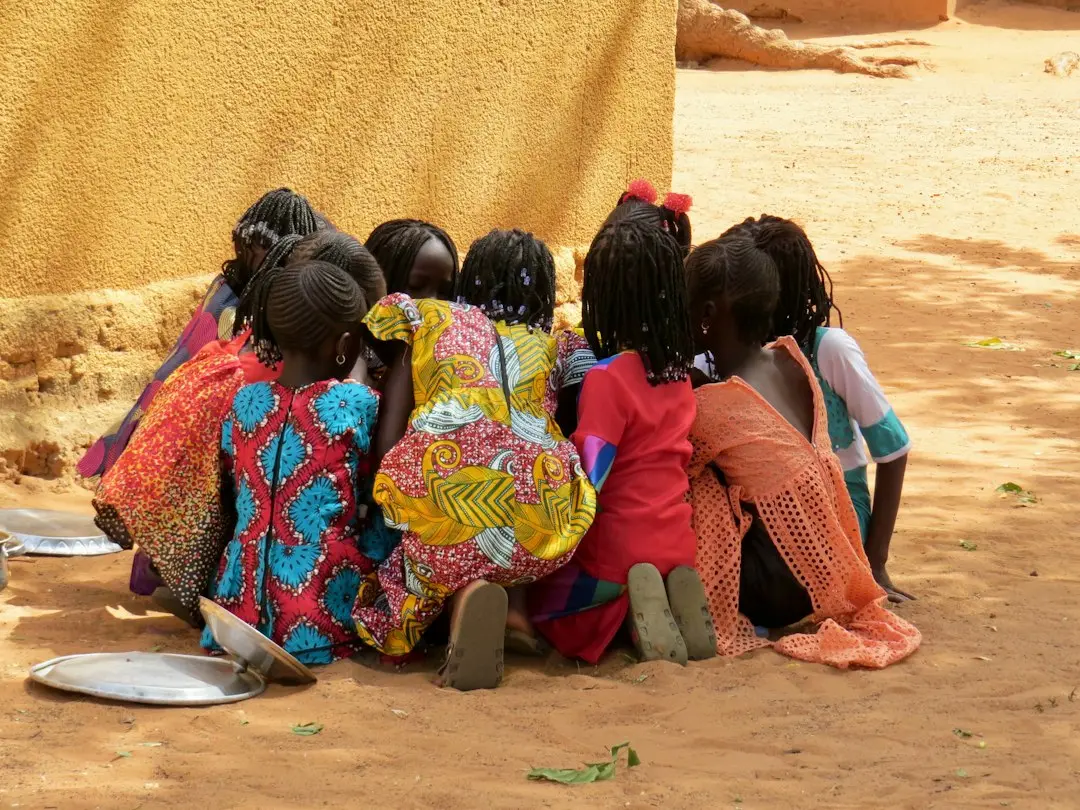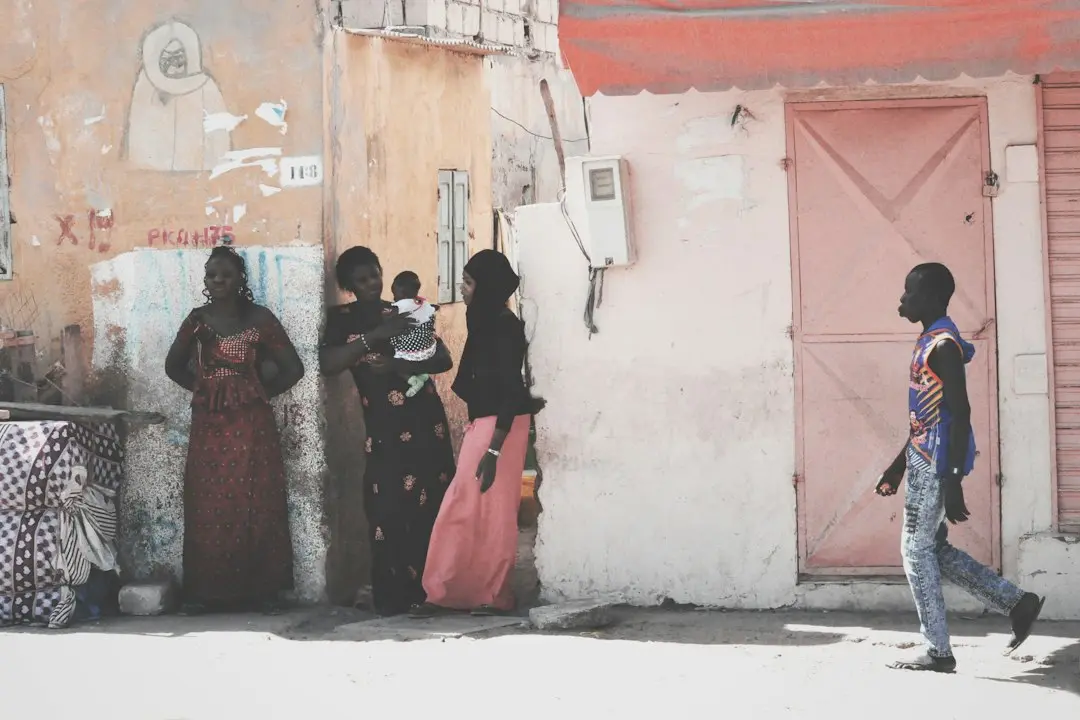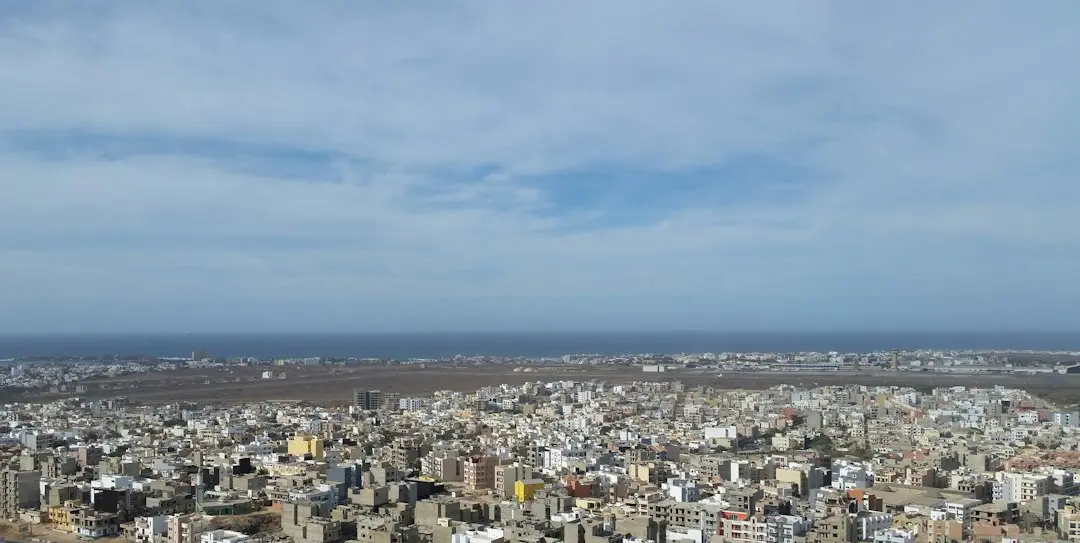




At the break of dawn, in the bustling streets of Dakar, young entrepreneurs set up their stalls, connect their smartphones, and prepare for another day of business. This is no ordinary market: it is a scene of innovation, an open-air laboratory where Africa’s economic future is being reinvented. Senegal, long perceived as a stable but understated country, is becoming a central player in entrepreneurship on the continent. How has this small West African country managed to rise among the locomotives of African innovation?
A bubbling and connected youth
With more than 75% of its population under the age of 35, Senegal has one of the most dynamic youth demographics on the continent. This generation, highly connected and often multilingual, carries within it a thirst for economic independence and social transformation.
« Here, we no longer want to wait for the State to give us jobs. We want to create our own companies, our own solutions », says Fatou Ndiaye, founder of an agritech start-up in Thiès. At only 27 years old, she already employs 12 people and sells her services to rural cooperatives in three regions.
Internet penetration in Senegal today exceeds 88%, according to the Telecommunications Regulatory Authority. Smartphones are ubiquitous, and social media serves as both a commercial showcase, a training channel, and a crowdfunding platform.
An ecosystem in full development
In recent years, incubators, coworking spaces, and local investment funds have multiplied. Structures such as CTIC Dakar, Teranga Tech, and Jokkolabs have supported hundreds of young start-ups in their development.
« What sets Dakar apart is its ability to bring talents together around a shared vision », explains Mamadou Diop, director of CTIC. « We do not want to copy Silicon Valley. We want to create a model that resembles us, rooted in our realities. »
In 2023, Senegal had more than 150 active start-ups in the fields of fintech, smart agriculture, e-health, and digital education. Some, such as MaTontine and Paps, have raised several million dollars from international investors.
Increasingly assertive political support
The Senegalese state has understood the strategic importance of entrepreneurship. In 2020, it launched the Délégation générale à l’Entrepreneuriat Rapide (DER), a public body endowed with an annual budget of more than 30 billion FCFA, intended to finance and support young entrepreneurs.
« The DER was a turning point for me », confides Ibrahima Sow, creator of a delivery application in Kaolack. « Thanks to their funding, I was able to buy my first scooters and recruit a team. »
At the same time, the government has implemented tax reforms to lighten the burden on young businesses and facilitate their registration. The time required to create a company has dropped from 58 days in 2014 to less than 6 days today, according to the World Bank.
A strategic cultural and regional crossroads
Located at the intersection of Francophone and Anglophone West Africa, Senegal benefits from an advantageous geographical position. Its port of Dakar, one of the most important in the region, makes it a gateway to the interior of the continent.
But beyond logistics, the country enjoys rare political stability in the region, a well-established democratic tradition, and a vibrant cultural life. These elements are attracting an increasing number of African talents and foreign partners.
« I chose to settle in Dakar because it is one of the few places in Africa where I can code, network, and do business in a safe and stimulating environment », says Uche Okeke, a Nigerian developer who came to launch an e-learning platform.
Female leadership on the rise
Women play a central role in this entrepreneurial renaissance. More and more of them are leading innovative companies, raising funds, and inspiring new generations.
In 2022, according to a report by the African Development Bank, 34% of Senegalese start-ups were led by women, a figure above the continental average. Figures such as Adama Kane (founder of JokkoSanté) and Marième Mbaye (founder of BioEssence) have become references.
« Being a female entrepreneur in Senegal is not a challenge, it is a responsibility », declares Marième with conviction. « We have a duty to pave the way for those who will come after us. »
Persistent challenges, but an irreversible momentum
Not everything has been won yet. Obstacles remain numerous: difficulties accessing bank financing, sometimes failing infrastructure, administrative slowness in certain regions, and a lack of specialized technical training.
But the energy is there. And it seems contagious. In 2023, Senegal attracted more than 120 million dollars in start-up investments, according to Partech Africa, representing an increase of 38% compared to the previous year. A performance that few African countries can claim.
« Senegal is becoming a hub for all of West Africa », observes Ndeye Diallo, analyst at VC4A. « What is happening here could well inspire other African capitals. »
As eyes turn toward the continent’s economic giants, Senegal charts its own course, discreet but determined. What if, in a few years, it is in Dakar that the future of African innovation is decided?
Also read on African dynamics
To place this topic in a continental perspective, also consult GDP of African countries, profitable businesses in Africa, African capitals and jobs hiring in Africa.