



The wind blows strong over the high plateaus of the Tell, stirring up swirls of red dust. In the distance, solar panels shimmer under the relentless sun. Here, in the silence of the Algerian desert, a quiet transformation is underway. Algeria, long associated with its fossil resources, is now establishing itself as a key player in the ecological transition in Africa.
An energy giant in transition
For decades, Algeria has been built on the exploitation of its vast natural gas and oil reserves. The country is the leading gas exporter in Africa and the continent’s third-largest oil producer. But today, a new ambition is emerging: to become a driving force in the energy transition.
“We have understood that our future can no longer depend solely on hydrocarbons,” says Leïla Benmoussa, a renewable energy engineer in Oran. “Algeria has an immense solar potential, and it is time to harness it.”
With more than 3,000 sunshine hours per year, the country is among the sunniest regions in the world. A study by the African Energy Commission estimates that Algeria could produce more than 13,000 TWh of solar energy per year, more than 40 times its current electricity consumption.
The Sahara, a sea of light
In southern Algeria, in Adrar, thousands of solar panels cover the arid ground. The Hassi R’Mel solar project, one of the largest on the continent, now powers tens of thousands of homes. And this is only the beginning.
The government has launched an ambitious plan: to install 15,000 MW of solar capacity by 2035. This program, named “Solar 1000”, plans the construction of several solar power plants distributed across the entire territory.
“The desert is our future,” declares Mourad Ziani, project coordinator at Hassi R’Mel. “We are turning a geographical constraint into a strategic opportunity.”
According to the International Energy Agency, Algeria could become a major supplier of green electricity to Europe via undersea cables connecting the Maghreb to Spain and Italy.
A green diplomacy taking shape
On the international stage, Algeria is adopting a new tone. At the African climate summit in Nairobi in 2023, the Algerian Minister of the Environment surprised attendees by announcing a fund of 100 million dollars to support ecological projects in the Sahel.
“Algeria wants to play a leadership role, not only in North Africa, but across the entire continent,” analyzes Fatoumata Diallo, a Senegalese researcher in environmental geopolitics. “It understands that the environment has become a lever of influence and cooperation.”
The country has also strengthened its cooperation with Nigeria, Niger and Mali within the framework of the Great Green Wall Initiative, a pan-African reforestation project aimed at combating desertification.
Cities breathing again
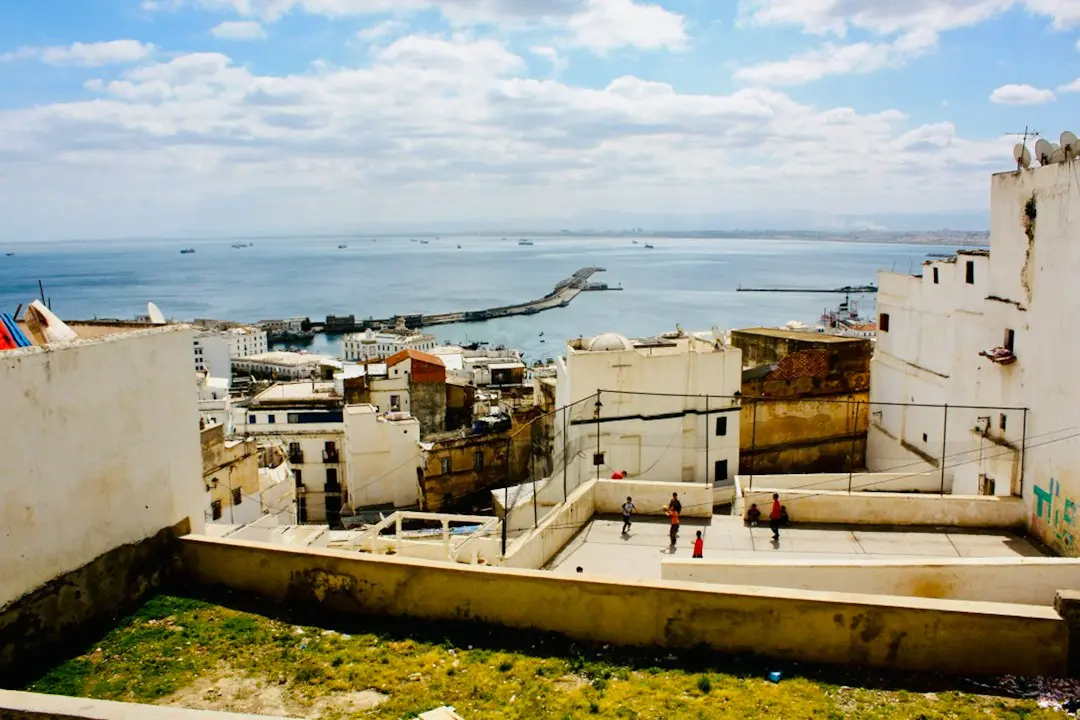
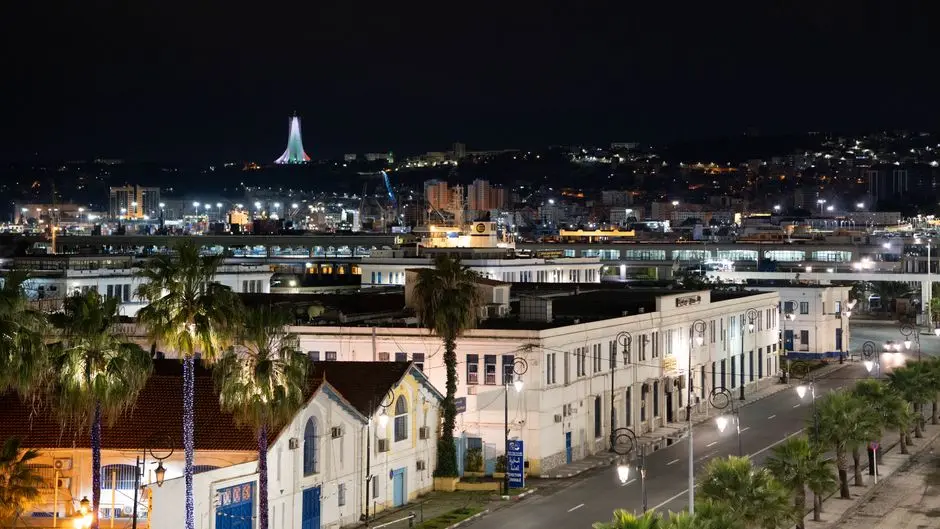
In Alger, traffic jams are still there, but the air is a little more breathable. Since 2021, the capital has been testing electric buses and low-emission zones. Green rooftops are appearing on buildings in the city center, while urban parks are being rehabilitated.
“You can feel that something is changing,” confides Nassim, a young architect. “There is an awareness, especially among young people. We want cleaner, greener cities.”
The government has launched an urban reforestation program, with the goal of planting 10 million trees by 2027. A project supported by local NGOs and schools, in an unprecedented participatory dynamic.
A mobilized youth
In universities, lecture halls overflow during climate conferences. Green start-ups are emerging in Constantine, Tlemcen and Béjaïa. One of them, “Green Sahara”, manufactures ecological bricks made from sand and recycled plastic waste.
“We no longer want to wait for solutions to come from above,” explains Samira, 24, founder of the start-up. “We want to create an Algerian model of sustainable development.”
Environmental movements are gaining visibility. In 2022, more than 200 demonstrations and citizen actions were recorded across the country, according to a study by the Maghreb Observatory for the Environment. A figure sharply up compared to previous years.
Between challenges and promises
But things are not simple. Economic dependence on hydrocarbons remains strong: they still account for 93% of the country’s exports. Infrastructure is aging, and bureaucracy is holding back many green projects.
“The potential is there, but it requires consistent political will,” warns Ahmed Tebbani, economist at the University of Alger. “The ecological transition cannot be decreed; it is built over the long term.”
Climate change, for its part, is not waiting. The north of the country is experiencing increasingly severe droughts, while forest fires ravaged more than 100,000 hectares in 2021 and 2022.
Yet something seems to have shifted. Algeria, with its resources, its sunshine and its expertise, could well become one of the pivots of Africa’s ecological renaissance.
But the question remains: will the country be able to turn this promise into a lasting reality, for itself and for an entire continent in search of balance?
To explore further on the economy in Africa
This topic gains in value when linked to economic indicators, capitals, professions and business opportunities on the continent.