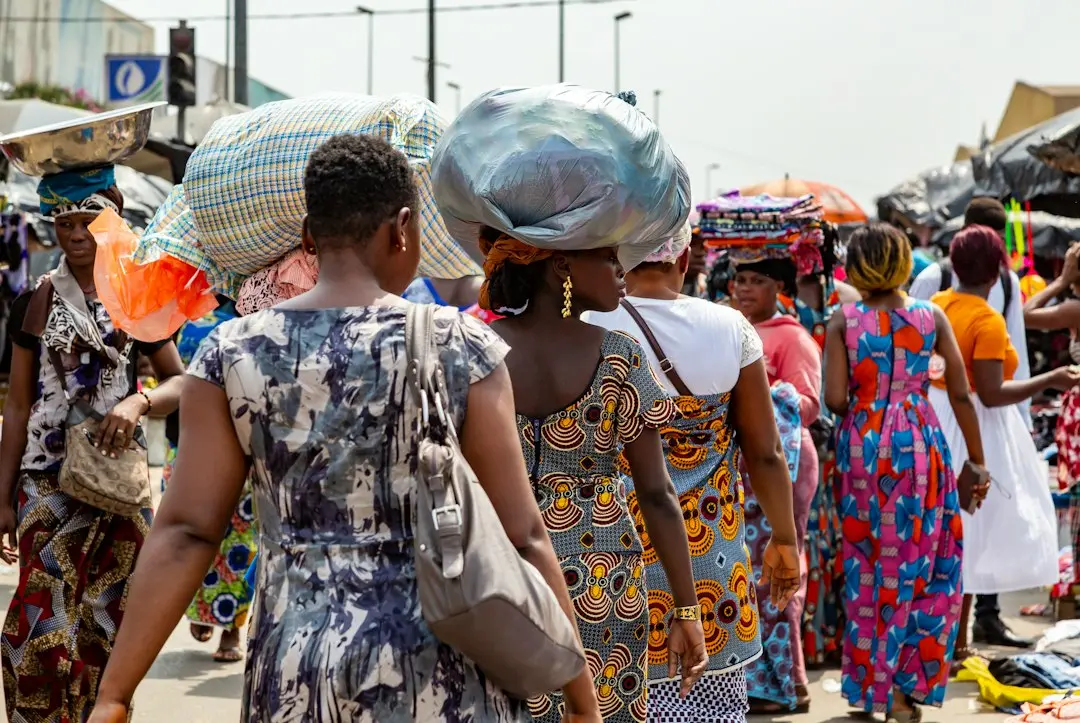




At dawn, in the bustling streets of Nairobi, young entrepreneurs set up their stalls, connect their mobile payment terminals and prepare for their day. Here, the entrepreneurial energy is palpable, almost contagious. Kenya does not merely dream of innovation: it lives it, breathes it, transforms it into an engine of growth. What if the rest of the continent drew inspiration from it?
A digital ecosystem in full ferment
Kenya has carved out a reputation as a technological pioneer in Africa, to the point where it is sometimes nicknamed the “Silicon Savannah.” This nickname is not undeserved. Since the launch of M-Pesa in 2007, the country has upended the landscape of mobile financial services, paving the way for an inclusive digital economy.
“Before M-Pesa, you sometimes had to walk kilometres to send money to your family. Today, everything happens in a few seconds on my phone,” says Jacob, a young developer from Kisumu. This system, used by more than 96% of Kenyan households according to the World Bank, has enabled thousands of entrepreneurs to access basic banking services, even in rural areas.
But innovation does not stop there. Technology hubs such as iHub, Nailab and Gearbox have emerged in Nairobi, welcoming a new generation of start-ups in the fields of agritech, fintech, health and education. In 2023, Kenya attracted nearly 800 million dollars in start-up investments, placing it in the African top three alongside Nigeria and South Africa.
A youth hungry for opportunities
With more than 75% of its population under the age of 35, Kenya is driven by a creative, bold and forward-looking youth. This demographic, often perceived as a challenge, is here transformed into a strategic asset.
Mary Wanjiru, 28, founded a plastic recycling company in Eldoret. “I saw a mountain of waste in my street and decided to turn it into a resource. Today, I supply eco-friendly bricks to rural schools,” she explains with pride.
Stories like Mary’s number in the thousands. The government, NGOs and the private sector have understood the importance of supporting this energy. Programmes such as Ajira Digital or Youth Enterprise Development Fund finance and train young people to transform their ideas into viable businesses.
In 2022, more than 1.2 million young Kenyans benefited from entrepreneurial support, according to the Ministry of Industry, Trade and Enterprise.
A culture of resourcefulness and resilience
The word “hustle” is omnipresent in Kenya. It embodies this capacity to create, to sell, to innovate, often with limited means. Here, entrepreneurship is not merely a choice: it is a necessity, a response to a saturated labour market and a transitioning economy.
“I started with a single blender and a wooden table. Today, I employ eight people and deliver organic fruit juices across Nairobi,” recounts Kelvin, founder of FreshSip. His expression betrays no fatigue, only the pride of having built something from nothing.
This “jua kali” mentality — literally “burning sun,” referring to street artisans — shapes the country’s informal economy. It represents approximately 83% of total employment according to the Kenya National Bureau of Statistics. A breeding ground of initiatives, often invisible, but essential to the economic vitality of the country.
Increasingly assertive institutional support
Unlike other African countries where the business environment remains rigid, Kenya has multiplied reforms to encourage entrepreneurship. Company formation is simplified: online, fast and inexpensive. In 2019, the country ranked among the top ten global reformers according to the World Bank’s Doing Business report.
The government has also introduced tax incentives for start-ups and SMEs, as well as special economic zones to attract investors. All of this is accompanied by an increasingly innovation-friendly legal framework, with laws on data protection, e-commerce and financial technologies.
“We want to make Kenya a regional hub for entrepreneurship and innovation,” Rebecca Miano, Minister of Investment, recently declared at a forum in Mombasa. An ambition that seems less and less utopian.
An active and connected diaspora
Another Kenyan particularity: its diaspora plays a driving role in entrepreneurial development. In 2022, remittances from Kenyans living abroad reached 4.1 billion dollars, a historic record. But beyond money, it is also knowledge, networks and ideas that circulate.
“I studied in Toronto, but I wanted to come back to launch my start-up here. The market is dynamic, the needs are real, and there is a genuine openness to experimentation,” explains Faith Mutua, founder of an online training platform for artisans.
Initiatives such as the “Diaspora Investment Fund” programme encourage this dynamic by facilitating partnerships between Kenyans abroad and local entrepreneurs. A way of connecting worlds and creating lasting economic bridges.
Lessons to be drawn for the rest of the continent
The Kenyan model is not perfect. Challenges remain numerous: regional inequalities, limited access to credit, sometimes failing infrastructure. But the entrepreneurial momentum that drives the country offers clear sources of inspiration for the rest of Africa.
Investing in digital, betting on youth, simplifying administrative procedures, valorising the informal economy, involving the diaspora… So many levers that other nations could adapt to their own context.
“Africa does not need to copy Silicon Valley. It can create its own models, adapted to its realities,” asserts Professor Wekesa, economist at the University of Nairobi. “Kenya shows that it is possible.”
So, what if the future of African entrepreneurship were already taking shape on the hills of Ngong, in the alleyways of Kibera or the start-up cafés of Westlands? Is the rest of the continent ready to listen to the lessons coming from the Silicon Savannah?
Also worth reading on African dynamics
To place this topic in a continental perspective, also consult GDP of African countries, profitable businesses in Africa, African capitals and jobs recruiting in Africa.