



The wind blows hard on the Langue de Barbarie. The waves crash against the tin-roofed houses, sometimes sweeping away a piece of wall, a memory, a life. In Saint-Louis, the water no longer knocks at the door: it enters without warning. For years, the sea has been gnawing at the historic city, a jewel of world heritage, as if it wanted to swallow it slowly, inexorably.
A city between sky, river and ocean
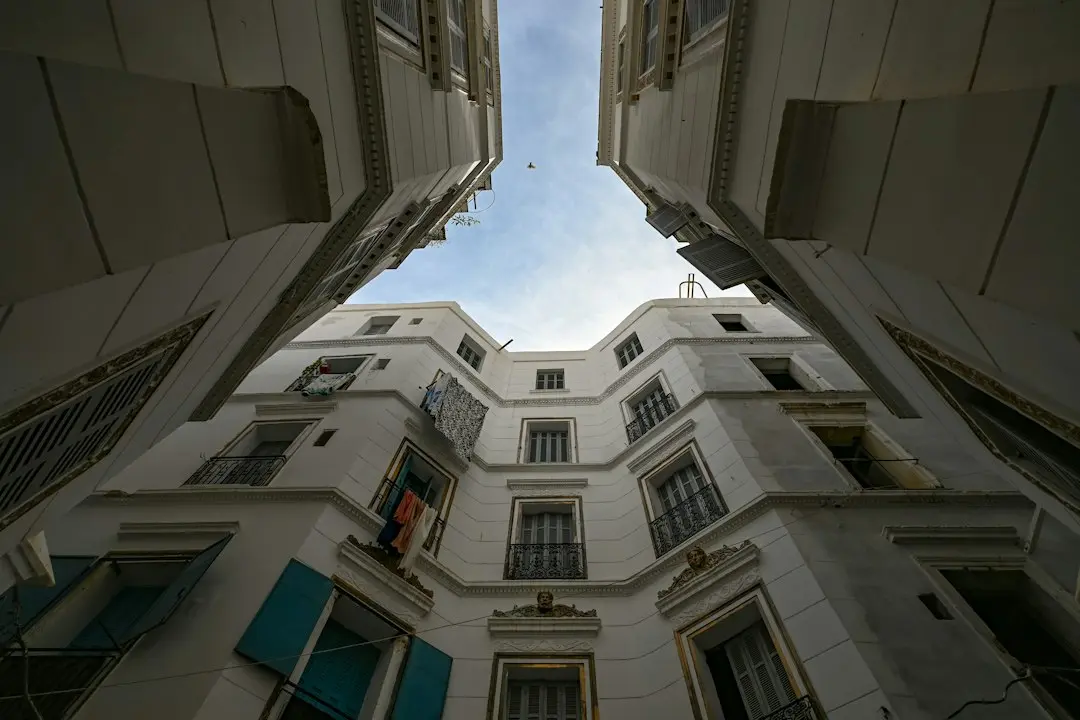
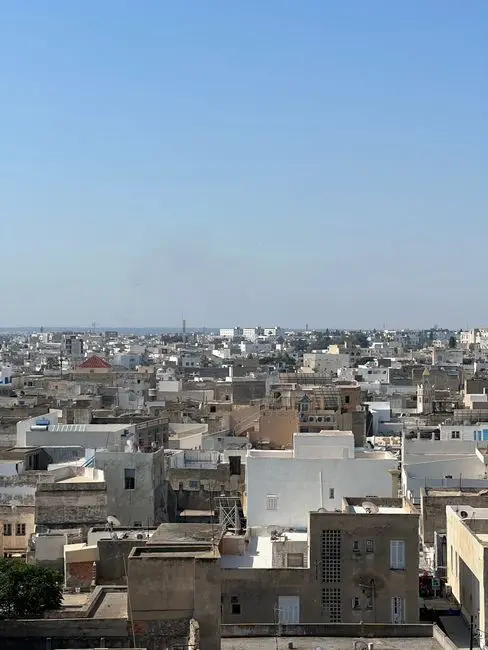
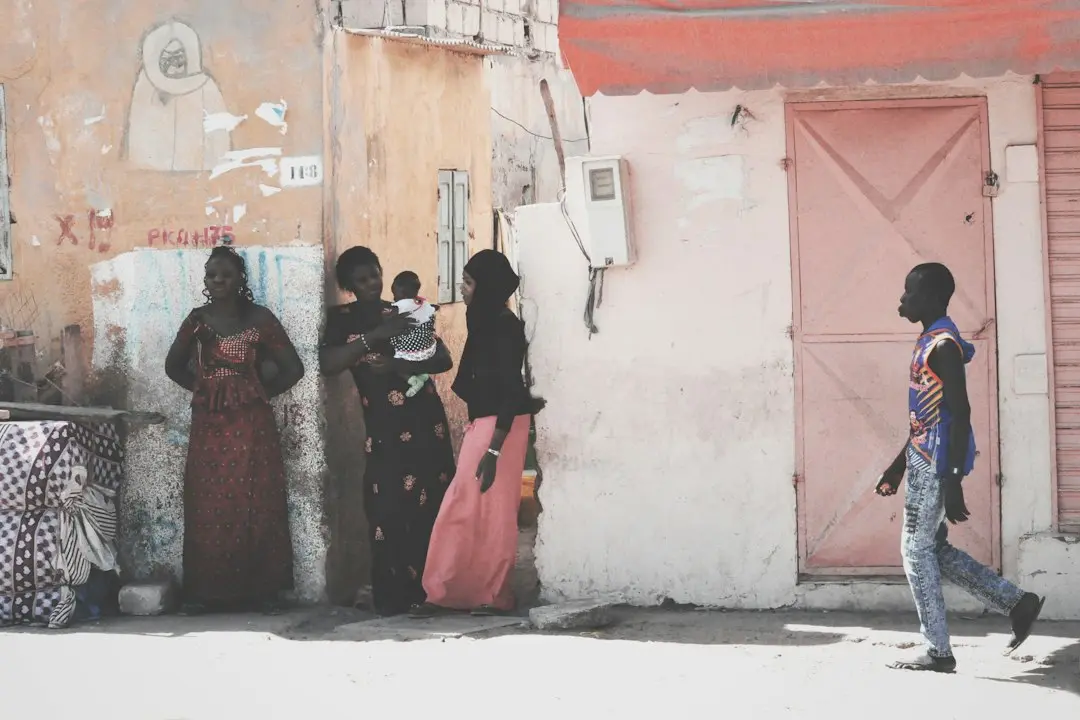
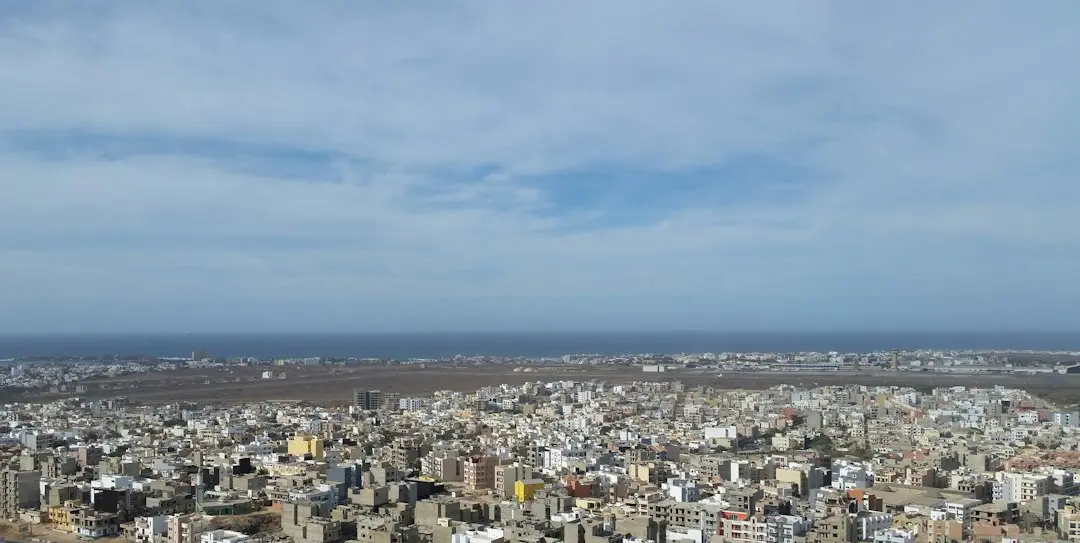
Founded in 1659 on a narrow island between the Sénégal River and the Atlantic Ocean, Saint-Louis was the first capital of French West Africa. Its colonial architecture, wrought-iron balconies, and sandy alleyways make it a place steeped in history and memory. But this geographical position, once strategic, has become a curse.
“We live between two bodies of water. When the river overflows, it floods the land. When the ocean advances, it sweeps it away,” says Fatou Ndiaye, a schoolteacher in the Guet Ndar neighborhood. This fishing district, squeezed onto the Langue de Barbarie, is one of the most exposed to coastal erosion.
Since 1950, sea levels have risen by more than 20 centimeters off the coast of Sénégal. By 2100, they could rise by an additional 80 centimeters, according to the IPCC. In Saint-Louis, this means that nearly 80% of the city could be submerged in the long term.
The 2003 breach: an open wound
In October 2003, to prevent flooding from the Sénégal River, the authorities decided to open an artificial breach in the Langue de Barbarie. Originally 4 meters wide, it has now expanded to more than 7 kilometers. An opening that forever changed the natural balance of the region.
“It’s as if we sawed off the branch we were sitting on,” sighs Mamadou Diop, a former hydraulic engineer. “The breach accelerated the erosion. Every year, the sea advances by several meters. Hundreds of houses have been swallowed up.”
According to data from the NGO Wetlands International, more than 4,000 people have been displaced since the breach was opened. Many now live in temporary camps, such as the one in Khar Yalla, north of the city.
Uprooted families, an identity in peril
In Khar Yalla, canvas tents line up on the scorching sand. There are no trees, no shade, no sea. For the fishermen of Guet Ndar, it is an internal exile. “Here, I feel dead,” confides Ibrahima Sow, 52, a fisherman since adolescence. “I can no longer see the ocean. I can no longer smell the salt in the air.”
The sea has not only taken their homes. It has swept away their way of life. The pirogues were left behind, on the coast. The children no longer go to school. The women struggle to sell fish that is no longer caught. The social fabric is unraveling.
“We have been torn from our history,” says Aminata Ba, a sociologist at Gaston Berger University. “In Saint-Louis, the sea is a living memory. By losing it, we lose a part of ourselves.”
Solutions struggling to hold back the sea
Faced with the threat, the Senegalese authorities have launched several coastal protection projects. Seawalls made of rock blocks have been erected, and plantations of filaos trees attempt to stabilize the sand. In 2018, a project funded by the World Bank made it possible to rehouse nearly 1,000 families in social housing.
But these measures remain piecemeal, often insufficient. “The sea is stronger than our walls,” says Cheikh Fall, site manager on the Goxu Mbath seawall. “Every rainy season, we start over.”
The cost of protecting Saint-Louis is estimated at more than 200 million euros over the next twenty years. A colossal sum for a country with many priorities. And in the meantime, the sea continues its work of undermining, centimeter by centimeter.
A laboratory for climate change
Saint-Louis is now considered one of the most threatened cities in Africa by rising sea levels. UNESCO, which inscribed it on the World Heritage List in 2000, regularly sounds the alarm. In 2022, it even raised the possibility of listing it as endangered.
“What is happening here is a warning for the entire world,” emphasizes Marie-Claire Dubois, a climate expert at UNEP. “Saint-Louis is an open-air laboratory of the effects of climate change. If we cannot manage to save it, other cities will follow.”
In Africa, more than 100 million people live less than 10 meters above sea level. Lagos, Abidjan, Dar es Salaam, Cape Town… All are affected. Saint-Louis, on the front line, could well be a mirror of the near future.
Hopes, resistance and memory
Despite everything, the city resists. Every morning, the fishermen of Guet Ndar launch their pirogues into the water. The women smoke fish just as their mothers did before them. Children play in the sand, carefree of the danger that lurks. There is in this city a stubborn, almost poetic resilience.
“We will not leave,” says Khady Fall, mother of six children. “This is where our ancestors are buried. This is where our children must live.”
Artists, researchers, and activists are organizing to document, raise awareness, and preserve. Sustainable tourism projects are emerging. Exhibitions recount the memory of disappeared neighborhoods. Saint-Louis is also becoming a place of reflection on memory, loss, and adaptation.
As the waves continue to batter the shores, one question remains: how much longer can Saint-Louis hold on? And above all, what are we prepared to do so that its history is not swallowed up forever?