



In the shadow of baobab trees and at the heart of Bamako’s hustle, a silent generation is changing Mali’s economic destiny. They are not yet thirty-five, but they already run companies, develop technologies, and create jobs. They no longer wait for the world to discover them. These are the faces of a youth that is redefining the rules of the game.
A new generation of bold entrepreneurs
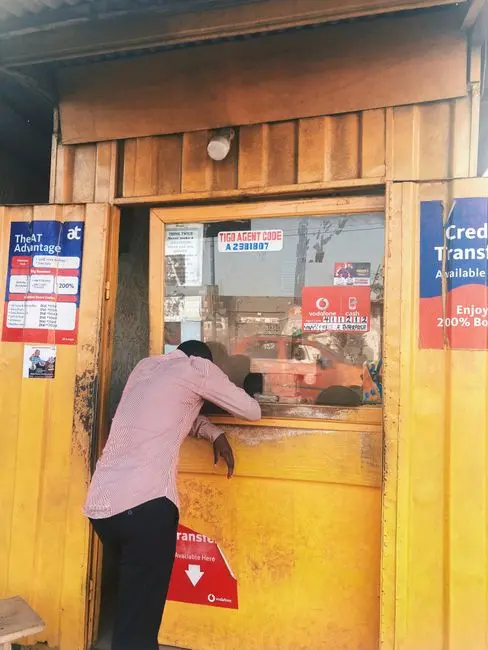
In a small office in the ACI 2000 district, Mariam Diallo, 29, types on her laptop. She runs a digital financial services start-up that allows traders in Bamako’s markets to receive payments via mobile money. “I wanted women like my mother to be able to sell their products without depending on cash,” she explains, her eyes bright.
Mali, often perceived through the lens of its security challenges, is nonetheless home to a thriving entrepreneurial ecosystem. In 2023, more than 1 500 new businesses were registered by young people under 35, according to the Investment Promotion Agency (API-Mali).
Among them, Cheick Koné, 32, launched a mango processing company in Sikasso. “Every season, tons of fruit rot for lack of outlets. I decided to act,” he says. Today, his unit employs 25 people and exports to Côte d’Ivoire and Sénégal.
Ideas born in the street, matured at university
Many of these young leaders grew up in modest conditions. Their ideas often arose from observing everyday life. “I saw children walking kilometers to go to school, so I thought about creating an affordable school transport solution,” says Awa Traoré, 27, founder of FasoBus, a community minibus service in Bamako.
Most were trained locally. The University of Bamako, the African Institute of Management, and the Mali Center for Leadership and Entrepreneurship (CLE-Mali) have all seen these talents pass through. “They are not looking to flee the country. They want to transform it,” says Mahamadou Sissoko, professor of economics at the ENA in Bamako.
Digital technology plays a central role. Thanks to growing Internet access — 38 % of Malians are now connected — young entrepreneurs draw inspiration from models coming from Nigeria, Kenya, or Ghana. They then adapt these ideas to the local context.
Women on the front line
Contrary to common assumptions, many women are taking the reins of this economic revolution. According to a World Bank study, 42 % of start-ups led by young people in Mali are founded or co-founded by women.
Fatoumata Sangaré, 33, launched a platform selling artisanal products made by rural women. “I want our fabrics, our jewelry, our natural soaps to be visible all over the world,” she says. Her platform, MaliCréa, has already enabled more than 300 craftswomen to sell online.
These women must, however, face specific obstacles: social norms, limited access to financing, and lack of mentorship. But they move forward, supported by networks such as Women in Tech Mali or the ITC’s SheTrades program.
The financing challenge
One of the greatest obstacles remains access to capital. Traditional banks often require guarantees that are out of reach for young people. “I knocked on every door. They asked for land titles I didn’t have,” recalls Oumar Keita, founder of a recycling company in Ségou.
In response, alternatives are emerging. Investment funds such as the Mali Start-Up Fund and crowdfunding platforms are beginning to fill the gap. In 2022, more than 3 billion francs CFA were injected into projects led by young people.
The government is also trying to act. The National Youth Entrepreneurship Program (PNEJ) has financed more than 800 micro-enterprises since its creation. But the need remains immense.
A vision rooted locally, looking toward Africa
What stands out about these young leaders is their attachment to their territory. “I never dreamed of leaving. My dream is to succeed here,” says Aminata Diarra, creator of an organic cosmetics brand made from shea butter produced in Kayes.
Their ambition, however, goes beyond borders. Many target the West African market. “Our products must circulate freely within ECOWAS. Mali cannot develop alone,” argues Idrissa Coulibaly, an agri-food engineer.
They are also increasingly present at international trade shows, start-up competitions, and pan-African incubators. Their message is clear: Mali is ready to take its place in the African digital economy.
An uncertain future, but a contagious energy
Nothing is settled. Political instability, power outages, and insecurity in certain regions hold back ambitions. But these young people move forward, driven by an unshakeable faith in their ability to change things.
“We can’t wait for everything to be perfect. We have to start with what we have,” says Mariam Diallo simply, closing her laptop. Around her, four young interns discuss a new feature for their mobile application.
They are not yet famous. But they are already shaping a new narrative for Mali. That of a country where ideas are born in the streets of Bamako, developed in garages, and end up changing lives.
The question is now simple: is the world ready to listen to these voices from the Sahel?