



Agro-processing in Mali: where is the value
Malian agro-processing can create value when it improves preservation, quality, packaging and market access. The raw product rarely generates as much as a stable, well-presented one.
In Mali, opportunities exist, but they must be assessed realistically: variable purchasing power, sometimes difficult logistics, strong seasonality and the importance of the local network. The most solid activities often stem from a concrete need rather than an imported trend.
- Transport and storage costs weigh heavily in a landlocked country.
- Agro-processing, proximity services and the distribution of essential products remain more legible than highly capital-intensive ideas.
- The rainy season, holidays and agricultural cycles strongly influence sales.
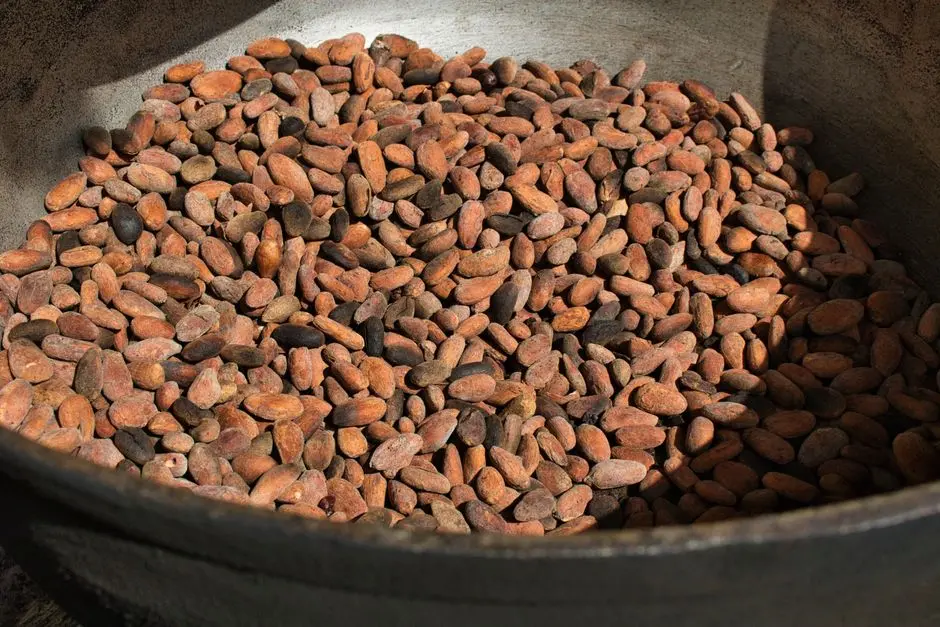
Shea butter requires quality, traceability and cosmetic or food outlets. Mango presents a preservation challenge. Cereals offer steady demand, but require hygiene, packaging and competitive pricing.
Shea butter, mango, cereals and outlets
Bamako offers density, suppliers and solvent customers, but needs are also strong in regional cities. A profitable service can be very local: shea butter processing, packaged cereals, meal delivery, repairs, solar recharging, small agricultural equipment or assisted sales via WhatsApp.
In an environment where lead times and costs vary quickly, the right indicator is not only the theoretical margin. It is essential to track money actually collected, losses, unsold goods, discounts granted and the time needed to restock. A simple but regular business is often worth more than a spectacular but fragile project.
It is necessary to secure supply, control humidity, standardise taste or texture, choose appropriate packaging and find buyers before producing at volume. Without an outlet, processing becomes immobilised stock.
- Launching an activity without knowing the full delivery cost.
- Selling on credit without clear rules.
- Ignoring the seasonality of agricultural products.
Quality, logistics and mistakes to avoid
On profitable business in Mali, data can change quickly. The right reflex is to check the date of the figures, the source used, the country concerned and the practical conditions. Information that is useful today can become misleading if the exchange rate, regulations, fees, world price or access to financing change.
The most reliable reading therefore combines three levels: a recent public figure, a concrete example and a local verification. It is this combination that allows one to move from a seductive idea to a more solid decision.
In Mali, profitability often depends on very concrete details: available road, fuel cost, stock availability, season, temperature, ability to preserve the product and payment lead times. An activity that appears profitable on paper can become fragile if it depends on irregular transport or a single supplier.
The most useful test is to track each sale in a notebook: purchase price, costs, selling price, payment received and remaining stock. This simple tracking makes it possible to see whether the activity is truly making money or consuming time and capital. In an uncertain context, daily traceability protects better than optimistic forecasts.
Points to check before launching
Shea butter, mango and cereals can create value if quality, preservation, packaging and outlets are verified before scaling volume.
In Mali, the local network remains decisive: reliable supplier, serious transporter, neighbourhood relay, professional customer or cooperative. This trust does not exempt one from writing down prices and lead times. On the contrary, the closer the network, the clearer the rules must be to avoid misunderstandings.
The answer depends on the subject, but the rule remains the same: verify the source, the date, the country concerned and the concrete conditions before deciding.
Sources do not always use the same year, the same currency, the same scope or the same method. This is why discrepancies must be explained rather than copied without context.
Read also
- Profitable business in Mali: ideas, budget and promising sectors
- How to earn money in Bamako: simple ideas
Sources
African Development Bank, African Economic Outlook 2025 ; World Bank, GDP in current dollars.
FAQ
Which agro-processing sector in Mali?
Shea butter, mango and cereals offer leads, but each sector has its constraints: preservation, quality, season, packaging and buyers.
Why is preservation so central?
A processed product loses its value if it deteriorates quickly. Drying, humidity, packaging and storage determine profitability.
What to check before producing at volume?
It is necessary to secure suppliers, quality, full cost and buyers. Producing without an outlet turns capital into dormant stock.
📌 Complete guide: Profitable business in Africa 2026: ideas by country