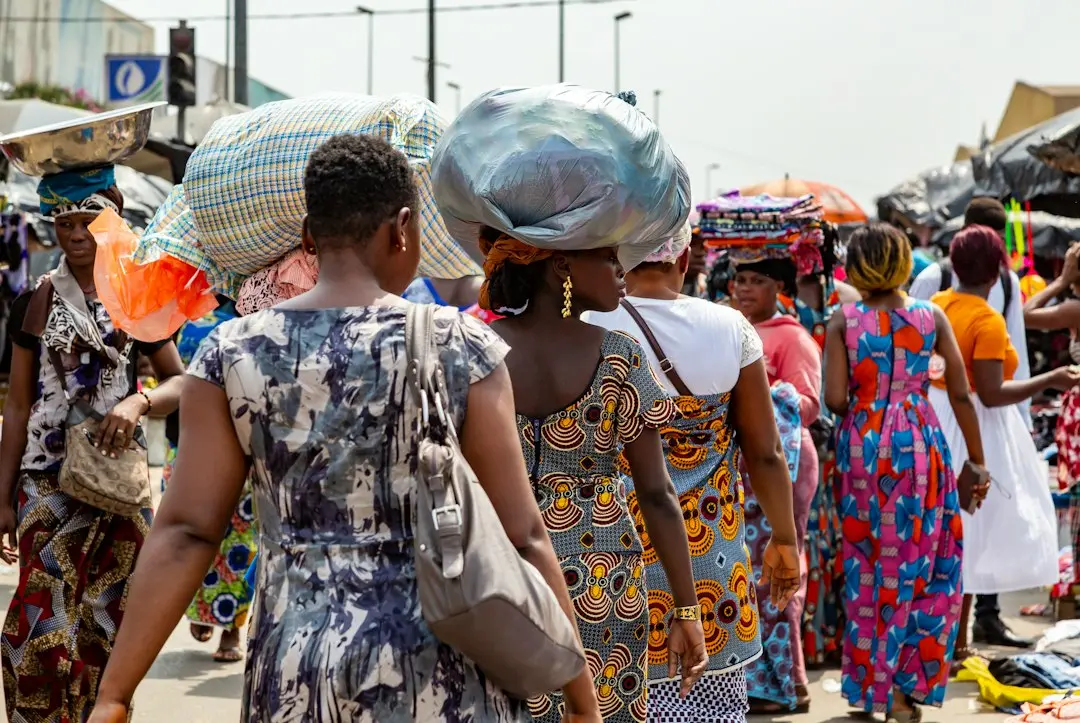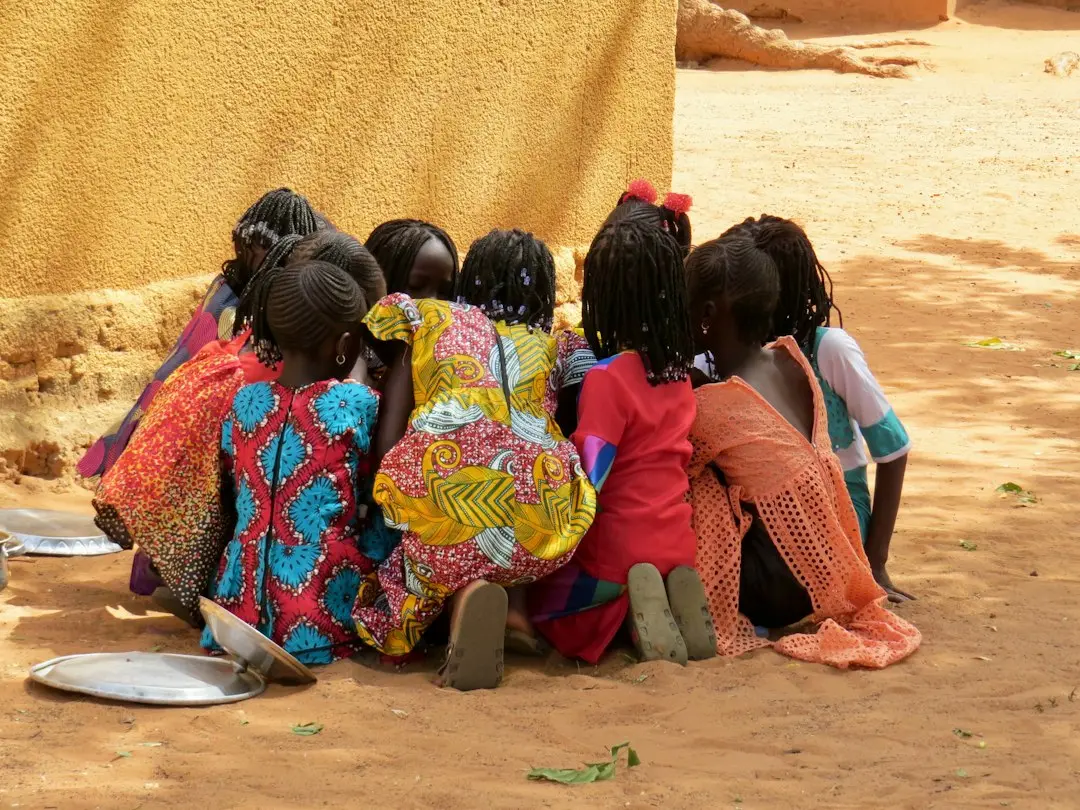



In a dusty alleyway in Bamako, teenagers dance to a Korean song playing from a mobile phone. A few meters away, an old man, sitting in the shade of a mango tree, hums a traditional tune to the sound of his ngoni. Two worlds intersect, without acknowledging each other. Mali, rich in its past, wavers between ancestral heritage and the pulse of a globalized world.
A crossroads of influences in full ferment
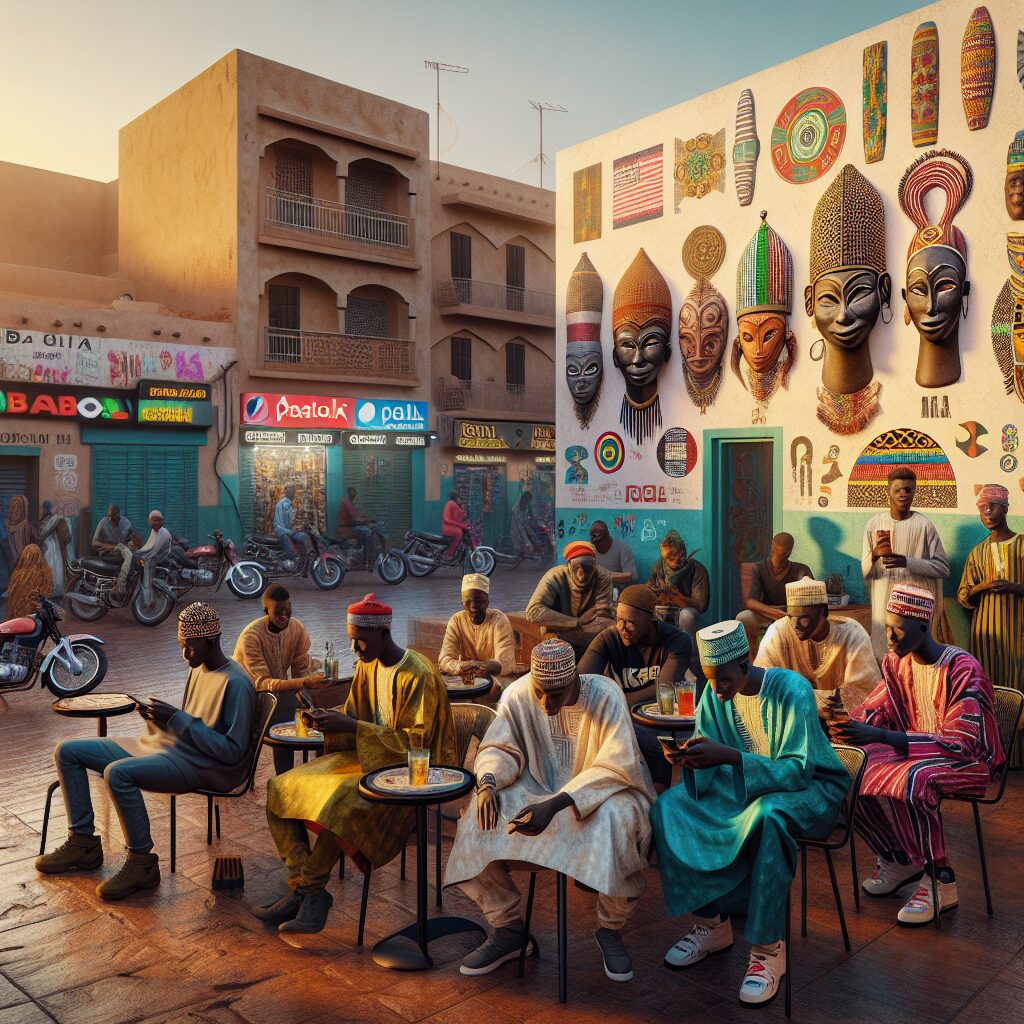
Since the advent of the Internet and the democratization of smartphones, Mali has opened itself to an uninterrupted flow of content from the four corners of the globe. From Turkish series to Nigerian music videos, through TikTok trends and political debates on Twitter, Malians, especially young people, now navigate between several cultural universes.
“Today, a young person from Mopti knows the lyrics of Burna Boy better than songs in bamanankan,” says Mariam Diallo, a sociology teacher at the University of Bamako. “That is neither good nor bad in itself, but it profoundly changes the way young people perceive themselves.”
According to a study conducted in 2023 by the Centre Malien de Recherche Culturelle, 68% of urban youth consume foreign cultural content daily, compared to only 24% ten years ago. A rapid transformation that raises as much enthusiasm as concern.
A youth between two worlds
In the working-class neighborhoods of Ségou, young people gather in internet cafés or around Wi-Fi hotspots to watch videos, connect on social media, or discover new dances from elsewhere. Digital technology has become a bridge to other realities, but also a distorting mirror.
“I want to be like the influencers I follow on Instagram,” confides Aminata, 17, her eyes fixed on her screen. “They travel, they dress well, they are successful. Here, we are stuck.”
This sense of a gap between modern aspirations and local constraints is shared by many young people. It fuels a form of frustration, but also a new creativity. Some Malian artists, such as rapper Iba One or singer Ami Yerewolo, now blend traditional rhythms and contemporary sounds to create a hybrid language, a reflection of this generation in transition.
Traditions under pressure
Cultural globalization does not impose itself without tensions. In rural areas, where rites, songs, and customs still shape daily life, the arrival of new influences is met with suspicion.
“Our children no longer want to learn the village dances. They prefer the videos they watch on YouTube,” laments Adama Konaté, village chief in Sanankoroba. “If this continues, our traditions will disappear.”
From griots to blacksmiths, the bearers of memory are raising the alarm about the erosion of ancestral knowledge. Oral transmission, a pillar of Malian culture, now faces the immediacy of social networks and the growing disinterest of the younger generation.
Yet some are trying to resist. In Djenné, a traditional music school welcomes around fifty students each year to learn the balafon, the djembé, or Fula singing. “It is a form of gentle resistance,” explains its founder, Boubacar Sylla. “We do not want to reject the world, but to remind ourselves where we come from.”
The rise of a hybrid artistic scene
In the face of these upheavals, a new artistic scene is emerging at the crossroads. Filmmakers, musicians, and visual artists draw on the cultural richness of Mali while integrating contemporary codes. The result? Powerful works, often politically engaged, that question Malian identity in the global age.
The film “Bamako Transit,” released in 2022, made a lasting impression. Blending archival footage, intimate narratives, and urban music, it paints the portrait of a capital city in transformation. “What I want to show is that we can be modern without denying our soul,” explains its director, Souleymane Traoré.
In the world of fashion, designers like Fatoumata Coulibaly are reinventing traditional fabrics, such as bogolan, to create avant-garde pieces. Their success transcends borders: some collections have been presented in Paris, Lagos, and Dakar.
An identity in search of bearings
The challenge for Mali is not to choose between tradition and modernity, but to find a balance. This quest for identity plays out as much in living rooms as in the streets, in schools as much as on social media.
“We must not be afraid of change,” says Malian philosopher Mahamadou Diarra. “But we must know who we are so as not to lose ourselves in what others want us to be.”
The debate is lively, sometimes heated. Some call for regulation of foreign cultural content, while others advocate for stronger cultural education from an early age. The state, for its part, struggles to define a clear policy in the face of these rapid transformations.
A future to build together
Mali, like so many other African countries, stands at a turning point in its cultural history. The changes underway are irreversible, but they do not condemn the past. On the contrary, they open an infinite field of possibilities.
Local initiatives, such as traditional music festivals or storytelling workshops for children, are attempting to rebuild bridges between generations. Others are betting on technology to promote cultural heritage, such as this application launched in Sikasso that teaches Bambara proverbs through interactive games.
Amid this turmoil, one question remains: how can a culture preserve its essence while opening itself to the world? Perhaps the answer lies precisely in Mali’s ability to transform these changes into a new force, both rooted and in motion.
Also read on African dynamics
To place this topic in a continental perspective, also consult GDP of African countries, profitable businesses in Africa, African capitals and jobs in demand in Africa.