
Tunisia’s diaspora is substantial — concentrated across Europe, the Gulf and North America — and remittances remain a meaningful share of household income for many Tunisian families. Unlike currencies pegged to a major reserve unit, the Tunisian dinar (TND) floats freely, which means the exchange rate each provider applies can matter far more than the headline transfer fee.
The 2026 Cost Comparison: Sending €500 (≈ 0) to Tunisia
| Service | Stated fee | Exchange rate applied | Estimated amount received | Transfer time |
|---|---|---|---|---|
| Wise | ≈ €14.74 (≈ $16) — 2.95% | Mid-market (interbank) rate, no hidden margin | ≈ 1,640 TND (≈ $518) | Instant to 2 days |
| Traditional bank | ≈ €20–30 (≈ $22–32), including 2–4% rate margin | Interbank + 2–4% markup | ≈ 1,590–1,605 TND (≈ $502–$507) | 2–5 days |
| Western Union | €1.99–14.99 (≈ $2–16) + exchange-rate margin | Below mid-market rate | ≈ 1,610–1,650 TND (≈ $508–$521) | Minutes (cash pickup) |
Indicative figures for a €500 (≈ $540) transfer, based on rates recorded in October 2026 (reference rate: 1 EUR ≈ 3.38 TND). Fees vary by amount, payment method and payout option.
Wise: The Cheapest Option for Most Bank-to-Bank Transfers
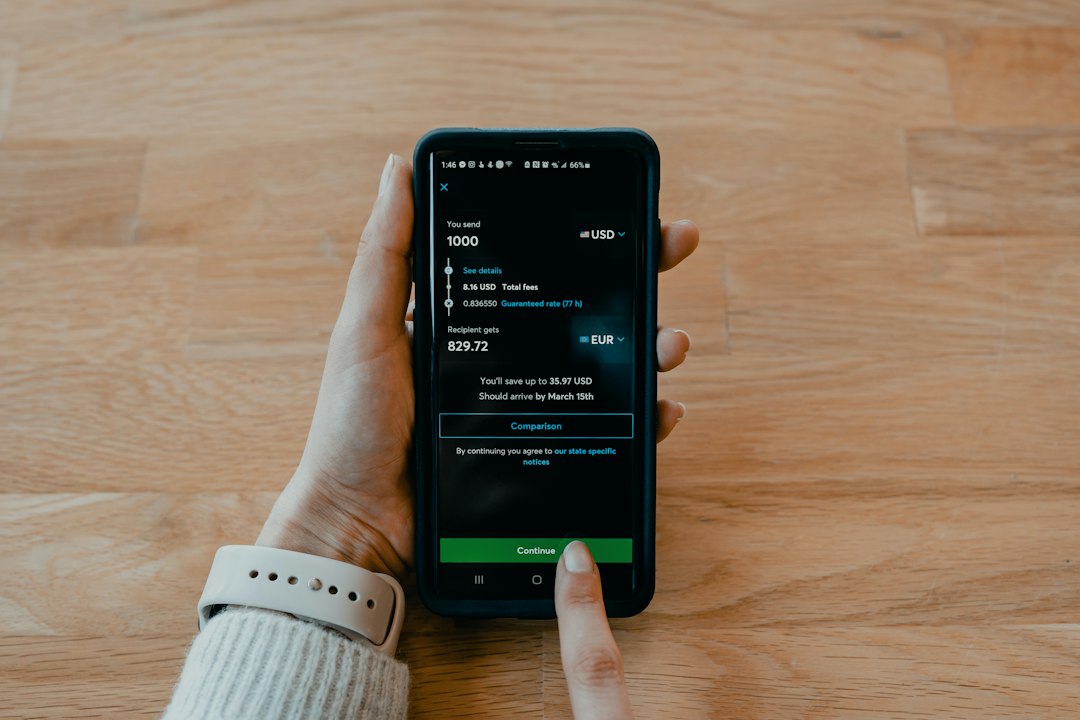
Wise uses the mid-market exchange rate — the interbank benchmark you see on Google or Reuters — with no hidden markup baked into the rate. Its fee is disclosed upfront, running at roughly 2.95% of the transfer amount. On €500 (≈ $540), that works out to approximately €14.74 (≈ $16), compared with €20–30 (≈ $22–32) through a traditional bank. Funds land directly in the recipient’s local bank account, often within minutes or the same day.

The Afriques newsletter
- Free & no spam
- 1 email per day
- Unsubscribe in 1 click
For the diaspora community sending regular monthly support — a pattern common among Tunisian, Nigerian, Ghanaian and Kenyan communities alike — that fee gap compounds quickly.
Traditional Banks: The Hidden Cost Is in the Rate, Not the Fee
Most high-street banks advertise modest or zero transfer fees, but quietly apply a 2–4% exchange-rate markup on top of a fixed commission. On a €500 (≈ $540) transfer, the combined cost — fee plus rate margin — typically reaches €20–30 (≈ $22–32), representing 4–6% of the total. That markup is rarely shown clearly at the point of sending, which is why comparing services on the amount the recipient actually receives, not the stated fee, is the only reliable metric.
Western Union: Still Relevant for Cash Pickups
Western Union’s core advantage is reach: a recipient without a bank account can collect cash at an agent location within minutes. In Tunisia, where cash transactions remain widespread, that matters. The trade-off is cost: fees range from €1.99 to €14.99 (≈ $2–$16) depending on the amount and payment method, and those fees sit on top of an exchange-rate margin that sits below the mid-market rate. For transfers to a bank account, digital services are cheaper. For cash delivery to an unbanked recipient, Western Union remains a practical option.
What Does the Recipient Actually Receive?
At the October 2026 reference rate of 1 EUR ≈ 3.38 TND, €500 (≈ $540) has a gross value of approximately 1,690 TND (≈ $533). After fees and exchange-rate margins, the recipient receives:
- ≈ 1,640 TND (≈ $518) via Wise — fee approximately €14.74 (≈ $16);
- ≈ 1,590–1,605 TND (≈ $502–$507) via a traditional bank — combined fee and margin approximately €20–30 (≈ $22–32);
- ≈ 1,610–1,650 TND (≈ $508–$521) via Western Union — fee plus exchange-rate margin.
Across a full year of monthly €500 (≈ $540) transfers, choosing the most cost-efficient provider translates into savings of more than €200 (≈ $216) per year for the recipient — a meaningful difference for a family relying on regular remittances.
The Tunisian Dinar: Why the Exchange Rate Is the Real Story
As of 1 October 2026, 1 EUR ≈ 3.38 Tunisian dinars (TND). Because the TND floats rather than being pegged, the rate shifts daily and varies noticeably across providers. That volatility makes the exchange-rate margin the dominant cost variable — often heavier than the fee line. Senders should always check the rate applied, not just the stated commission, before confirming a transfer. The same discipline applies in other remittance corridors familiar to this readership: the NGN, GHS, KES and ZAR all behave similarly in terms of provider markup risk.
Frequently Asked Questions
What is the euro-to-Tunisian dinar exchange rate right now?
The mid-market reference rate stood at approximately 1 EUR = 3.38 TND in October 2026. This rate moves daily, which is precisely why the margin applied by each provider matters so much — a provider using a rate even 2% below mid-market costs the recipient real money.
Can I send money to Tunisia if the recipient has no bank account?
Yes. Western Union and certain other operators offer cash pickup at agent locations across Tunisia. For transfers to a bank account, digital platforms such as Wise are more cost-effective.
Does Wise show the exact amount the recipient will receive before I confirm?
According to the source, yes — Wise displays the precise amount the recipient will collect, including all fees and the exchange rate applied, before the sender confirms the transaction. No hidden margin is added to the rate after the quote is shown. That upfront transparency is the key structural difference between digital remittance platforms and traditional banks.
This article includes an affiliate link to Wise.
Source: Les Afriques, October 2026