


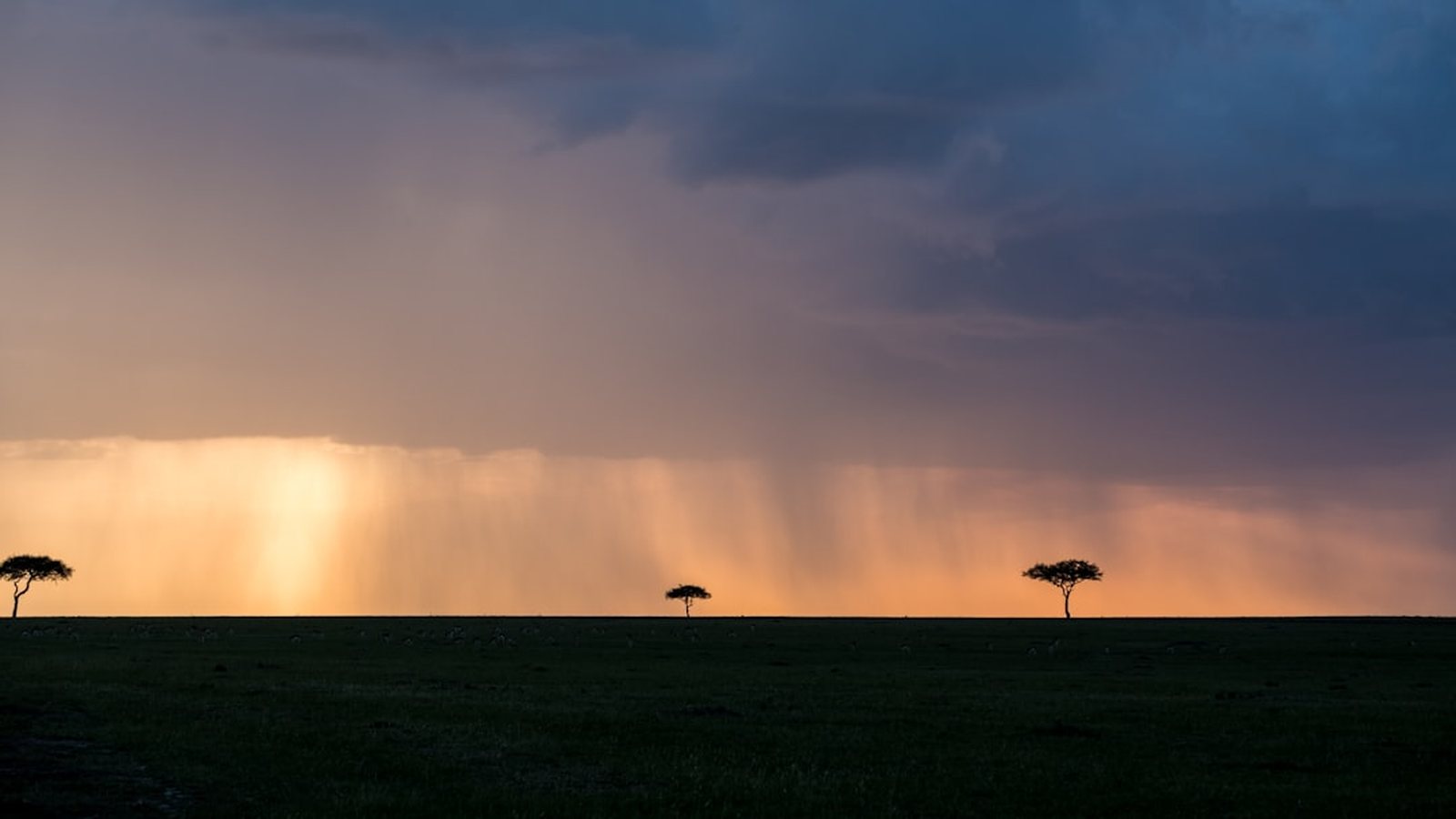
Tanzania is one of East Africa’s most consistently growing economies, with a nominal GDP of approximately 90 billion dollars in 2026. Its economy rests on three complementary pillars: tourism (Kilimanjaro, Serengeti, Zanzibar), agriculture (coffee, tea, cotton, sisal) and the development of a promising offshore gas sector.
Tanzania’s GDP in 2026: key figures
| Indicator | 2026 value (estimated) |
|---|---|
| Nominal GDP | ~90 billion USD |
| GDP per capita (nominal) | ~1 400 USD |
| GDP per capita (PPP) | ~3 100 USD |
| Projected annual growth | 6,0 – 6,5 % |
| Inflation | ~4 – 5 % |
| Continental rank | ~10th in Africa |
| Currency | Tanzanian shilling (TZS) |
Key sectors driving the Tanzanian economy
- Tourism: Tanzania is one of Africa’s top tourist destinations. The Serengeti, Kilimanjaro, Lake Victoria and the island of Zanzibar attract more than 1,5 million international visitors each year. The sector accounts for approximately 17 % of GDP and 25 % of export revenues.
- Agriculture: employing 65 % of the active population, Tanzanian agriculture produces coffee, tea, cotton, sisal and flowers. The country is the world’s 3rd largest producer of sisal.
- Offshore natural gas: significant natural gas discoveries in the Indian Ocean (approximately 57 trillion cubic feet recorded) position Tanzania as a future energy exporter, with a first LNG terminal planned for the 2030s.
- Gold and mining: Tanzania is Africa’s 4th largest gold producer. The Geita, Bulyanhulu and North Mara mines generate significant export revenues.
FAQ – Tanzania’s GDP 2026
What is Tanzania’s GDP in 2026?
Tanzania’s nominal GDP is estimated at approximately 90 billion dollars in 2026, with sustained growth of 6 to 6,5 % per year. In purchasing power parity (PPP), the Tanzanian economy is valued at approximately 230 billion dollars.
Is Tanzania richer than Kenya?
No, Kenya (~130 Bn USD) surpasses Tanzania (~90 Bn USD) in total nominal GDP, and by a wide margin in GDP per capita (Kenya: ~2 350 USD vs Tanzania: ~1 400 USD). Kenya has a far more developed financial, technology and services sector. Tanzania makes up for this with slightly more stable growth and a potential of natural resources (gas, gold, tourism) that remains largely untapped.
Why invest in Tanzania?
Tanzania offers several advantages for investors: political stability (regular elections, no major conflicts since independence), abundant natural resources (gas, gold, agricultural land), tourist potential among the richest in Africa, and a strategic geographical position for trade towards landlocked countries (Zambia, Malawi, DRC, Rwanda, Burundi).
Also read: Kenya’s GDP 2026 and ranking of the richest countries in Africa.
See also: Salaries in Tanzania — Average salary in Africa 2026: a comparative overview
📌 Complete guide: Africa’s GDP 2026: ranking and analysis by country