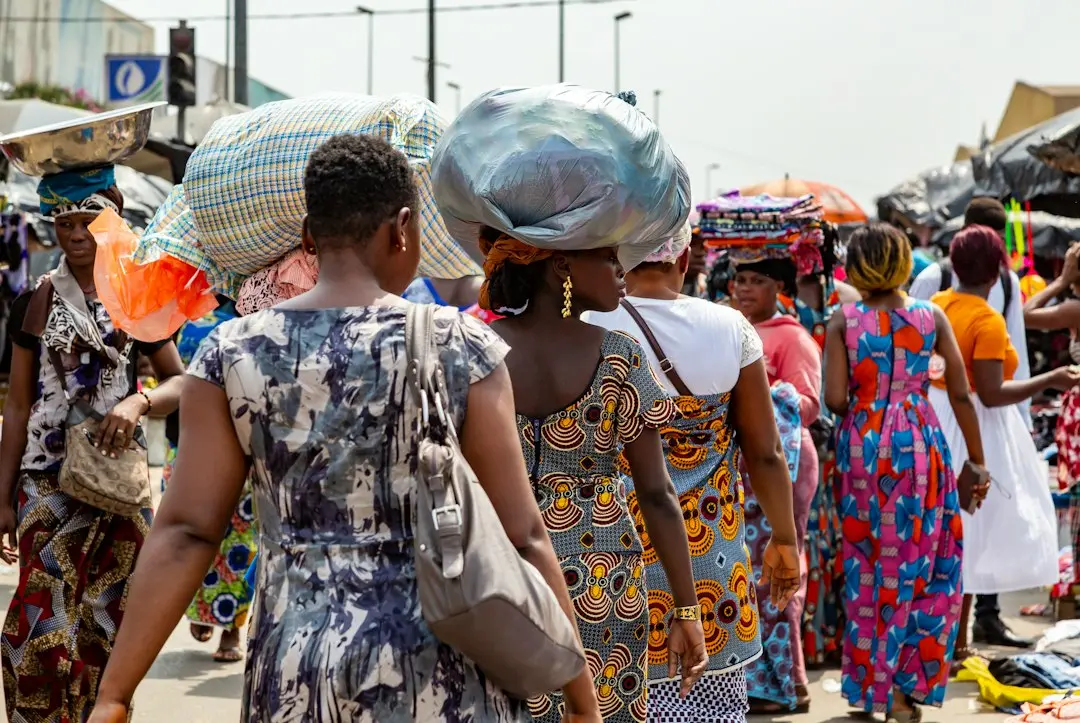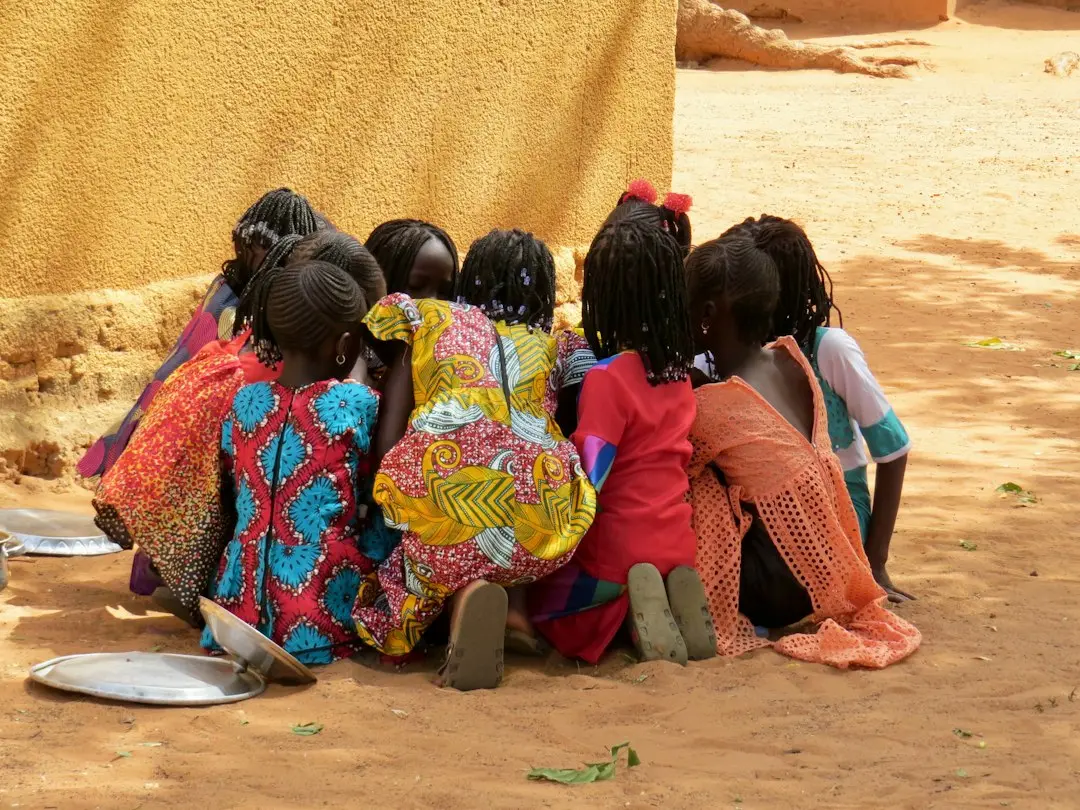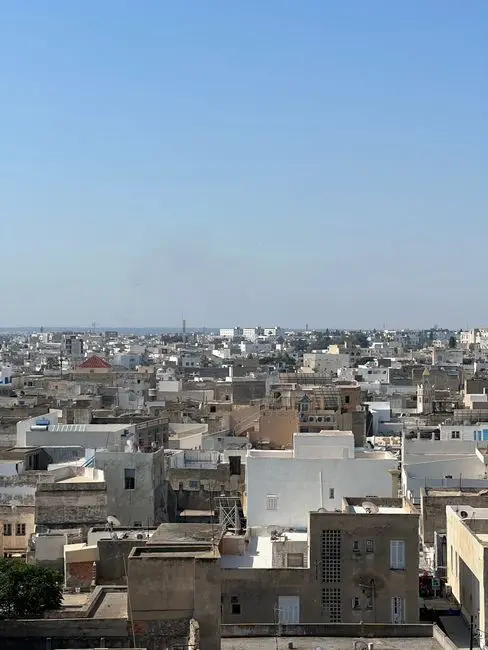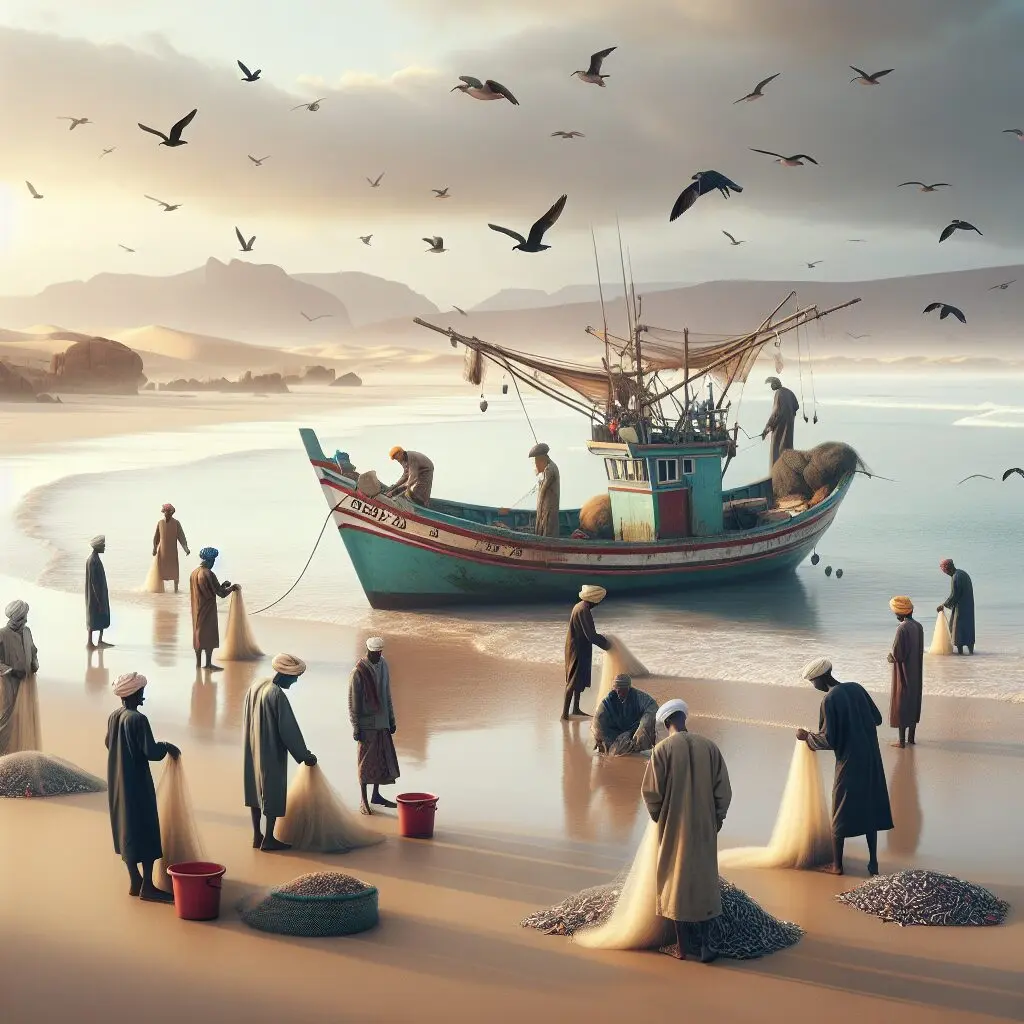




At dawn, in the sandy streets of Nouakchott, a warm wind lifts the dust. The horns of Chinese taxis mingle with the calls of the muezzin. Here, in this capital long on the margins of Africa’s major economic circuits, something is changing. Silently, but surely, Mauritania is redrawing its place on the continent’s map.
A subsoil that changes the game
For decades, Mauritania lived in the shadow of its more high-profile neighbors. Yet the country is rich in coveted natural resources. Iron, gold, copper, quartz, offshore oil… Mauritania’s subsoil is a promise for investors.
In 2023, iron ore production exceeded 13 million tonnes, making the Société Nationale Industrielle et Minière (SNIM) one of the country’s leading employers. But this is only the beginning. The Tasiast deposit, operated by Canadian company Kinross, is now one of the largest gold mines in West Africa.
“When I started here, we barely talked about gold. Today, we export tonnes every month,” says Ahmed, a geological engineer at Tasiast. “It’s a silent revolution.”
Natural gas, the new eldorado
In 2015, an unexpected discovery off the Mauritanian coast upended the balance: a vast gas field, called Grand Tortue Ahmeyim (GTA), shared with Senegal. Since then, eyes have turned toward the deep waters of the Atlantic.
The project, led by BP and Kosmos Energy, represents an investment of more than 4.8 billion dollars. The first production phase was expected to begin in 2024, with an estimated capacity of 2.5 million tonnes of liquefied natural gas per year.
“This gas is our future,” says Mariem Mint Sidi, an economist at the Ministry of Petroleum. “It can transform our economy, fund our schools, our hospitals, our roads.”
The IMF forecasts Mauritanian GDP growth of 5.3 % in 2024, largely driven by the energy sector. A dynamic that is already attracting major powers, from China to the United States, as well as the European Union.
A strategic hub between the Maghreb and sub-Saharan Africa
Mauritania is not only rich in resources. Its geographical position makes it a natural crossroads between the Arab world and Black Africa. It is a bridge between two worlds, a hyphen between the desert and the savanna.
The deep-water port of Nouadhibou, modernized in 2022, is now a major entry point for goods heading toward the Sahel. Railway and road infrastructure projects aim to connect the country to Mali, Senegal and even the Mediterranean.
“We want to be the gateway to West Africa,” explains Mohamed Lemine, director of the Investment Promotion Agency. “The political stability we have managed to maintain is a rare asset in the region.”
Indeed, despite regional tensions, Mauritania has remained relatively spared from the instability affecting the Sahel. A key factor that reassures foreign investors.
A discreet but ambitious energy transition
As the world seeks to break free from fossil fuels, Mauritania is exploring a hybrid path. The country is banking on gas for its immediate growth, while also investing in renewable energy.
With more than 3,000 hours of sunshine per year and constant winds along the Atlantic coast, the potential is immense. In 2022, the government signed an agreement with British company Chariot to develop a large-scale green hydrogen project: Nour Project.
This project, which could produce up to 10 GW of green electricity, would place Mauritania among Africa’s leaders in the energy transition. “It’s a long-term vision,” emphasizes Fatimetou Ba, an engineer in the renewable energy sector. “We want to produce for ourselves, but also for Europe.”
An entrepreneurial ecosystem in full swing
Beyond the major projects, another revolution is playing out at the local level. In the working-class neighborhoods of Nouakchott, startup incubators are emerging. Young people, trained abroad or locally, are launching projects in fintech, smart agriculture and logistics.
Oumar, 29, has created a mobile payment platform tailored to rural areas. “Five years ago, nobody believed in innovation here. Today, we have investors calling us from Dakar, from Paris, even from Dubai.”
The government supports this dynamic through tax incentives and partnerships with international institutions. The World Bank recently allocated 60 million dollars for digital development in the country.
The challenges of rapid growth
But this rise in power does not come without risks. Dependence on raw materials exposes the country to global market volatility. The question of wealth redistribution remains sensitive in a country marked by deep social and ethnic inequalities.
Youth unemployment, estimated at more than 30 %, remains a major challenge. “It is not enough to grow, we must include,” warns Khadija Ould Brahim, a sociologist at the University of Nouakchott. “Otherwise, frustration could sweep everything away.”
Corruption, although less visible than in some neighboring countries, remains a barrier to investment. Judicial and administrative reforms are underway, but their effectiveness has yet to be proven.
Finally, the country’s fragile environment, caught between desertification and rising sea levels along the coast, could hinder certain projects if the climate issue is not integrated from now on.
Is Mauritania ready to become a major player in the African economy without losing its soul? The bet has been placed. It remains to be seen whether the desert wind will blow in the right direction.
To go further on the economy in Africa
This subject gains in value when linked to economic indicators, capitals, professions and business opportunities on the continent.