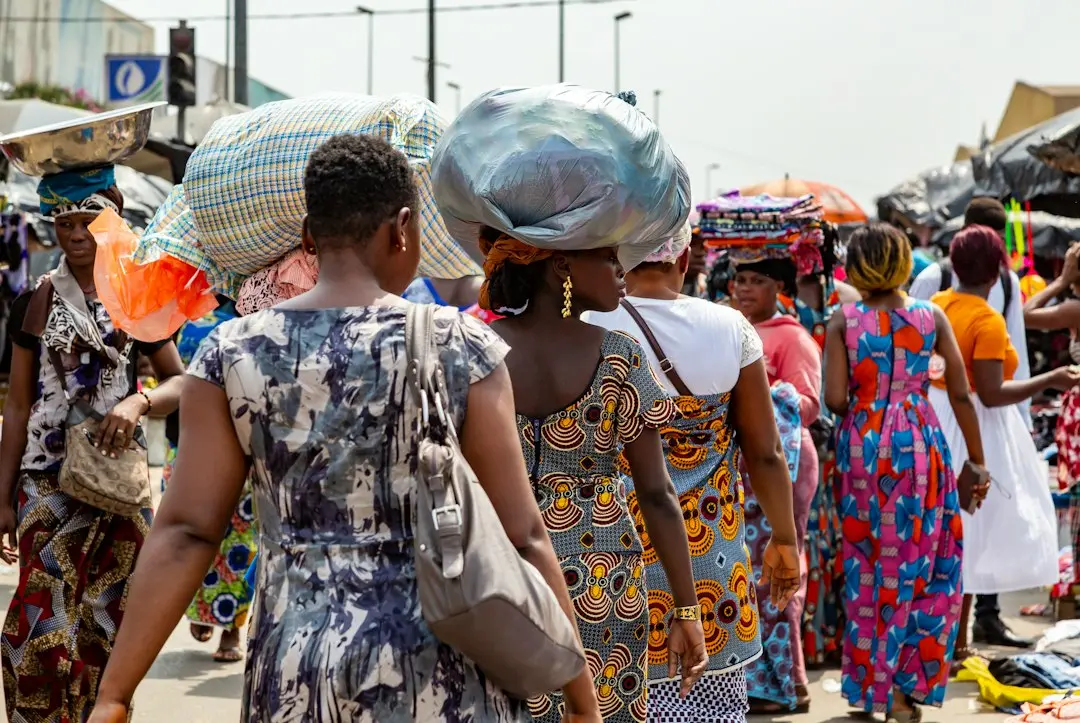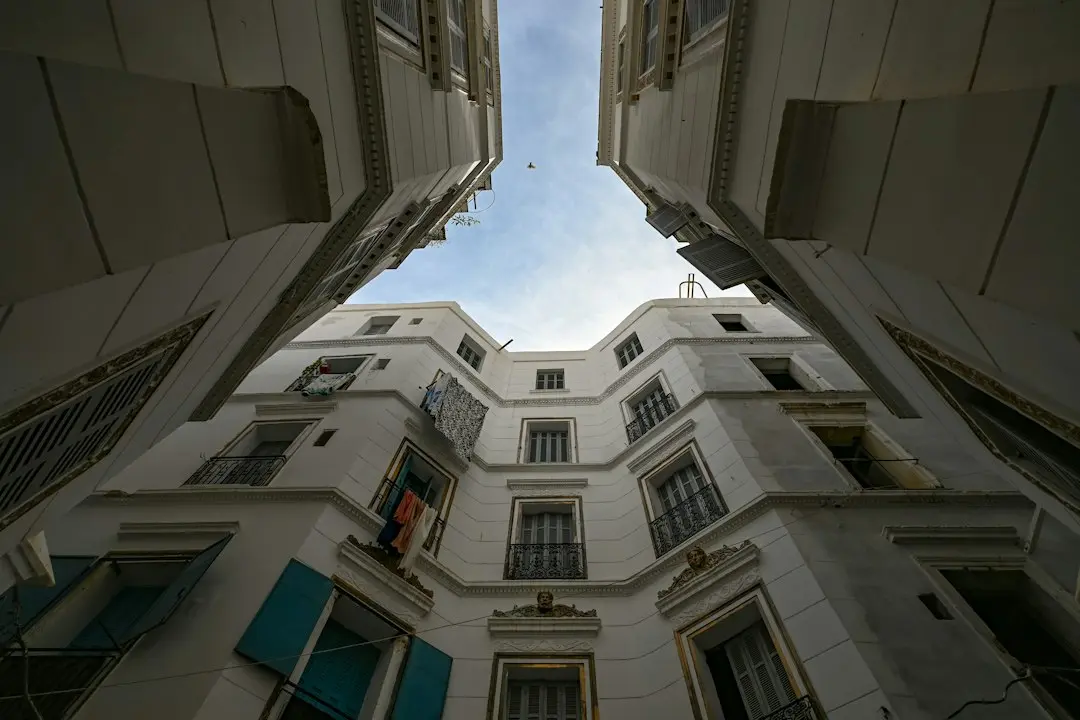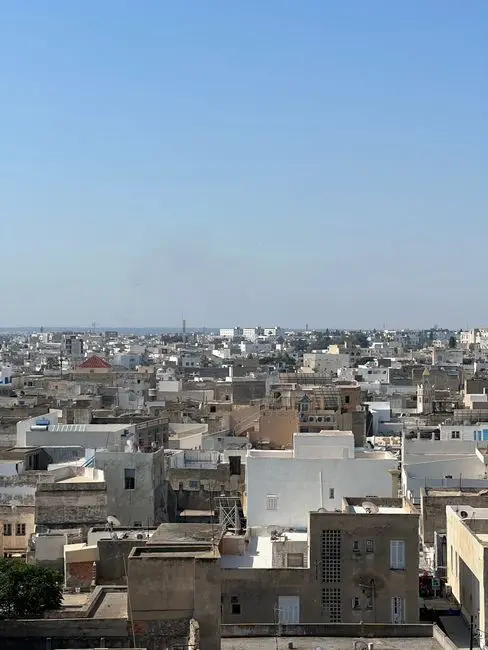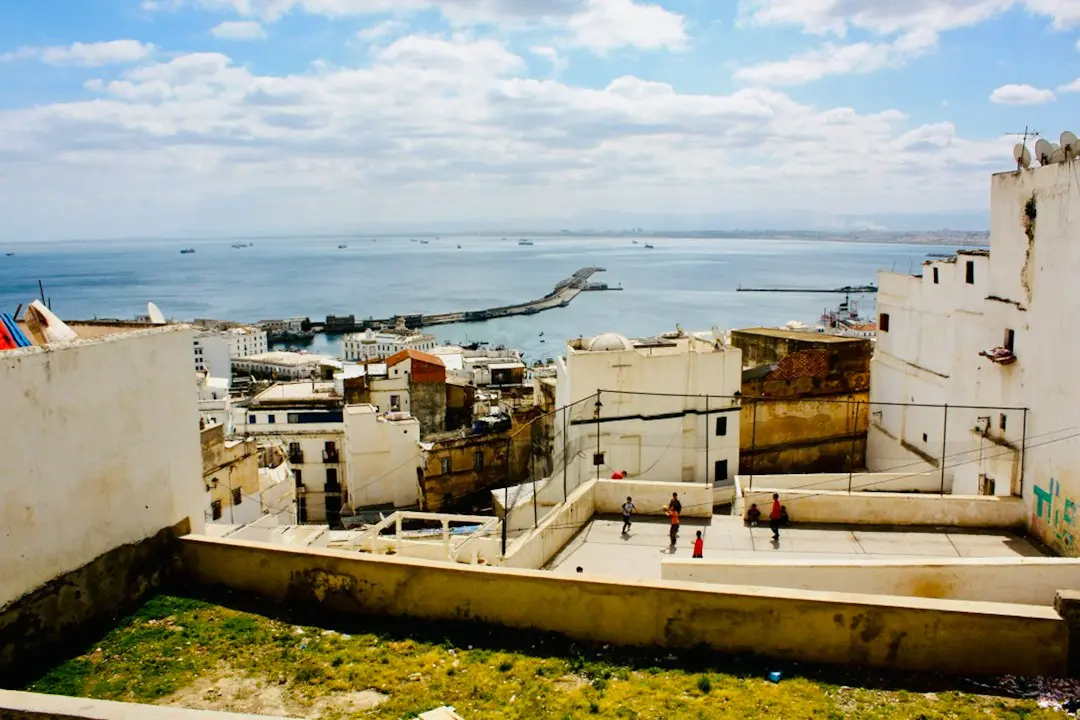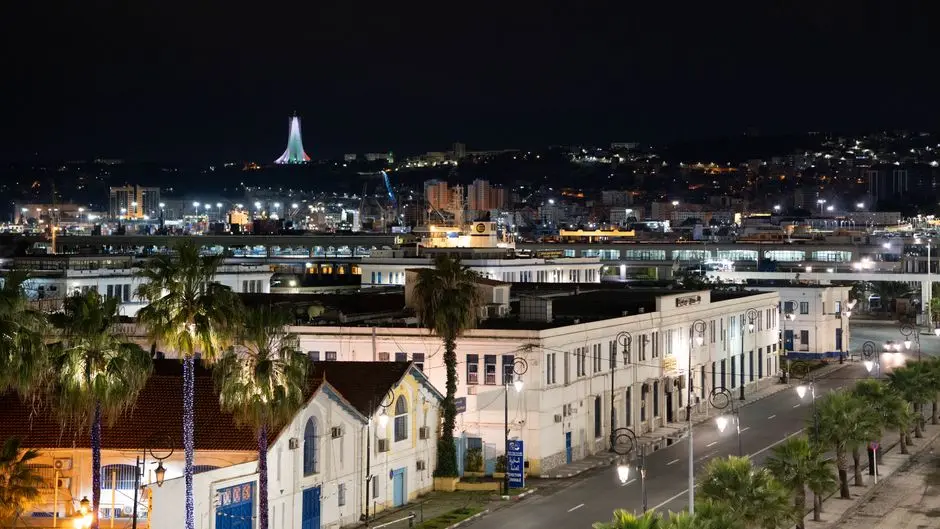




At the end of the day, in the bustling streets of Algiers, a new energy sweeps through packed cafés, coworking spaces, and idea incubators. Something is changing, imperceptibly but surely. A generation of young Algerians — connected, creative, and determined — is giving rise to an unprecedented social ecosystem. A silent yet powerful movement, redefining the contours of Algerian society.
A youth that refuses the status quo
They are between 20 and 35 years old, born in an Algeria marked by history, but resolutely looking toward the future. Their tools? Social innovation, entrepreneurship, digital culture. Their ambition? To transform their environment without waiting for institutions to move.
“We grew up facing obstacles, but we learned to get around walls,” says Samia, 28, founder of an arts collective in Oran. “Today, we create our own solutions, our own spaces.”
This post-Hirak generation, nourished by hopes of change, refuses to remain a spectator. It organizes itself into networks, creates associations, launches social startups, and above all, builds connections where there were none.
Hybrid spaces as catalysts
In major cities such as Algiers, Constantine, or Tizi Ouzou, new venues are emerging: cultural cafés, fablabs, community hubs. These hybrid spaces host debates, workshops, screenings, and hackathons. They are becoming crossroads for ideas and unlikely collaborations.
“Here, we can talk about anything, without a filter,” explains Mourad, co-founder of Lab DZ, a coworking space in Algiers. “It’s a living laboratory — you run into developers, artists, activists, and even curious retirees.”
These places embody a new way of building society: horizontal, participatory, inclusive. They help break isolation, pool resources, and above all, dream together.
A social economy in the making
Beyond cultural initiatives, an alternative economic fabric is taking shape. Connected agricultural cooperatives with short supply chains, online artisan sales platforms, and circular economy projects are emerging across the country.
In 2023, more than 1,500 social impact projects were recorded by the Algerian Observatory for Civic Innovation. A figure up 40% compared to the previous year.
“The social economy is our response to the employment crisis and the inefficiency of traditional structures,” says Yacine, an engineer turned solidarity entrepreneur. “We’re not just looking to make money — we want to create meaning.”
These initiatives, often led by women and young people, are rooted in local realities while drawing inspiration from global models. They are redefining the very notion of success.
Digital technology as a lever for emancipation
The internet, long perceived as a luxury, has become a tool for emancipation. Through social networks, collaborative platforms, and online training, Algerians are acquiring new knowledge and organizing differently.
“We launched our online media with three phones and a lot of determination,” recounts Leïla, 24, co-founder of a feminist podcast. “Today, we are heard throughout the Maghreb.”
Digital initiatives make it possible to bypass censorship, build transnational communities, and amplify voices that have long been marginalized. They contribute to the emergence of a more open, more critical, more connected society.
Persistent fractures
But this enthusiasm must not obscure the challenges. The nascent ecosystem remains fragile, often dependent on international funding or volunteer work. Access to digital technology remains unequal, particularly in rural areas. And political tensions can dampen momentum.
“There is still a lot of fear, self-censorship, resignation,” observes Nadia, a sociologist at the University of Bejaïa. “But every small step counts. What is happening is unprecedented.”
The state, for its part, oscillates between occasional support and control. Programs to support social entrepreneurship exist, but struggle to meet the expectations of a youth seeking genuine autonomy.
Toward a society in recomposition
What is unfolding in Algeria goes beyond a simple economic or technological question. It is a deep recomposition of the social fabric, driven by multiple actors who are often invisible.
Women creating mutual aid networks in working-class neighborhoods. Young people reinventing citizenship through awareness campaigns. Collectives rehabilitating abandoned spaces to transform them into places of shared life.
“It’s not a revolution, it’s a germination,” says Karim, a committed urban planner, poetically. “We can’t yet see the fruits, but the seeds are there, everywhere.”
In this quiet ferment, Algeria is perhaps sketching the contours of a new social model — more resilient, more horizontal, more rooted in local realities. A society that does not ask permission to exist, but builds itself, day after day, through simple gestures and collective dreams.
What if the true change were coming from there — from the margins, from the interstices, from modest but tenacious initiatives?
To explore further on society in Africa
This subject gains in value when linked to economic indicators, capitals, professions, and business opportunities across the continent.