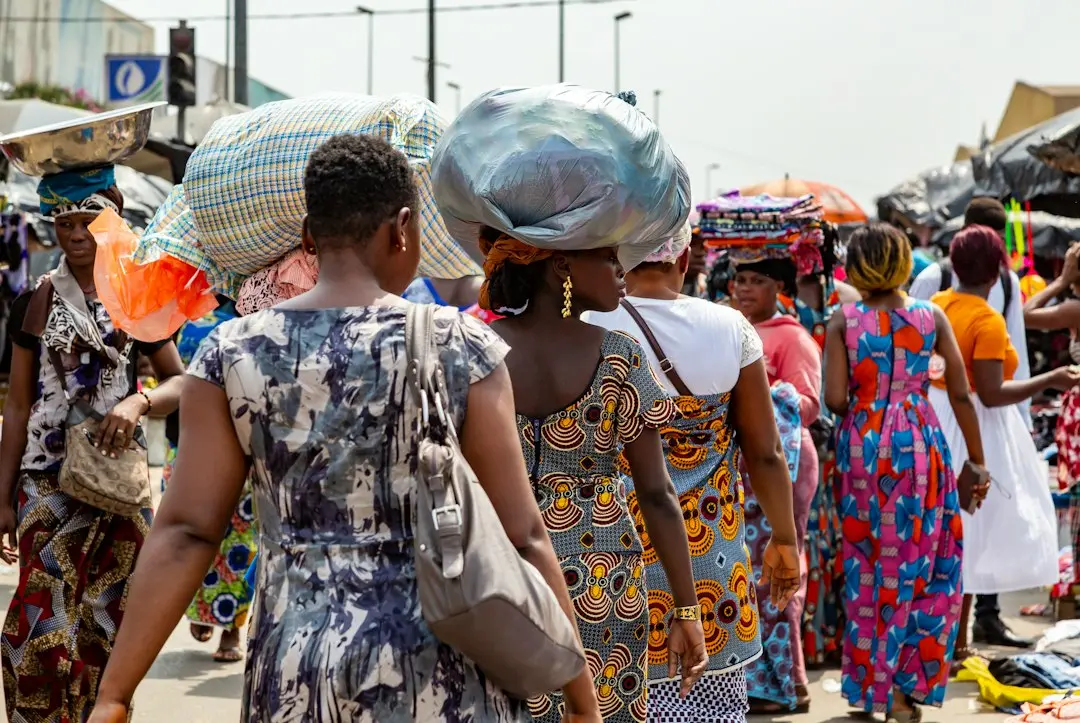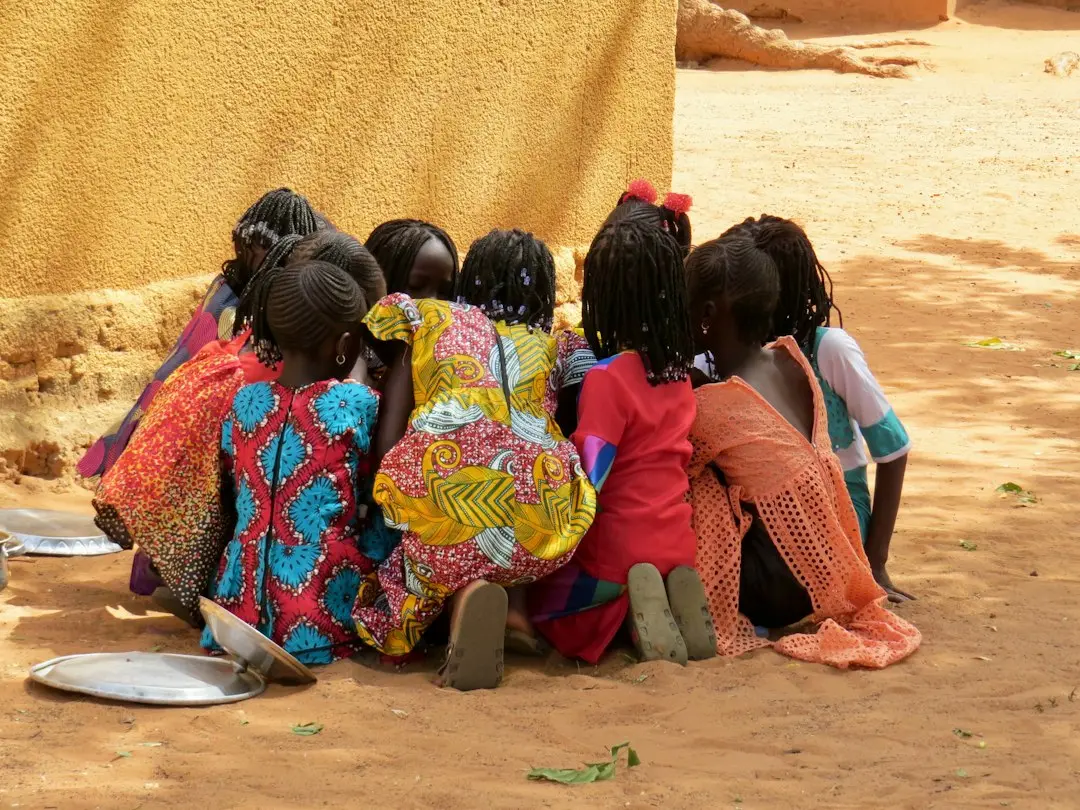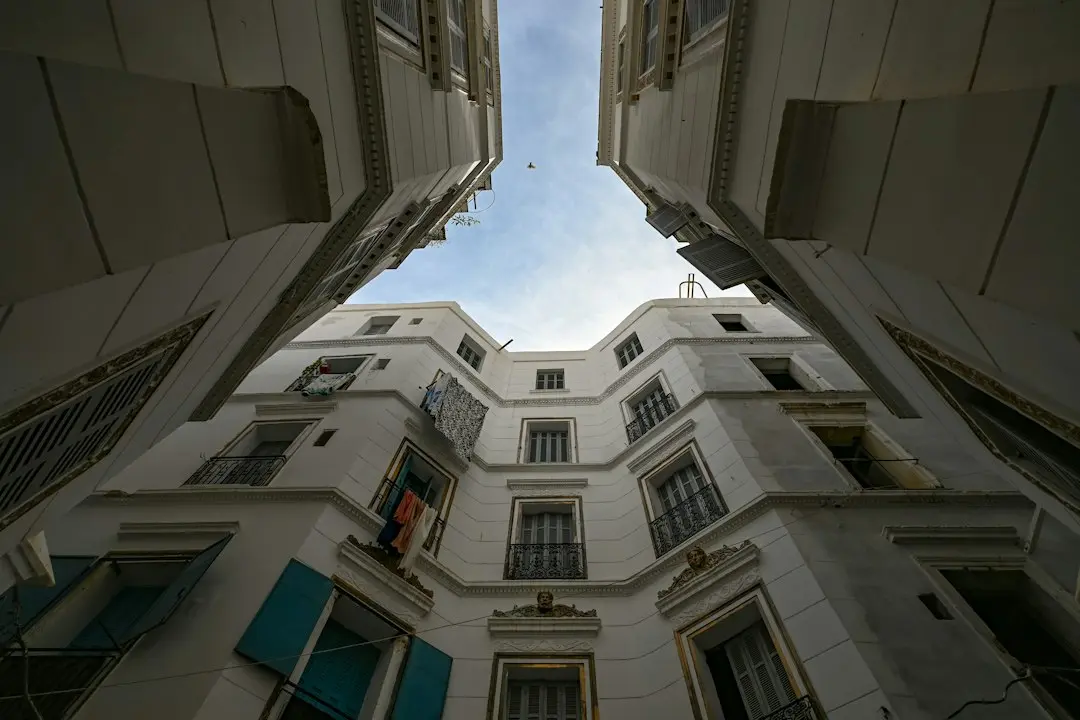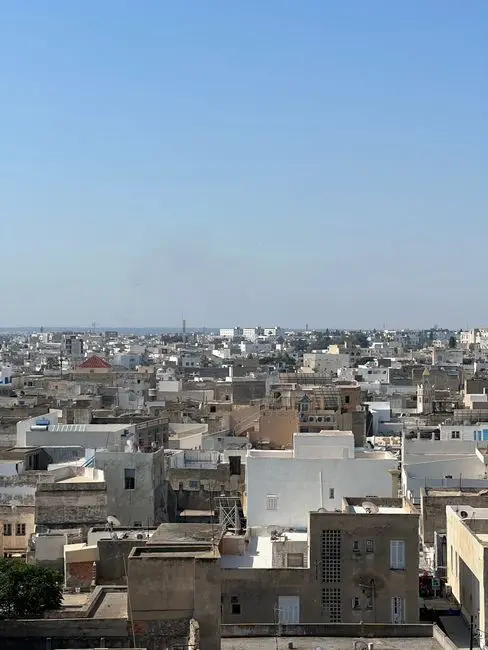




In a dusty alley in Niamey, between the ochre walls of an old warehouse turned gallery, young people bustle around an installation made of scrap metal, recycled fabrics, and dim lighting. Music escapes from an old speaker, blending traditional Hausa rhythms with electronic beats. Here, in one of the least-known countries in West Africa, a silent revolution is underway. That of culture. That of Niger.
A quiet ferment at the heart of the Sahel
Long perceived as a cultural desert, Niger is beginning to prove the clichés wrong. In cities like Niamey, Zinder, and Agadez, a new generation of artists, musicians, filmmakers, and digital creators is shaking up norms and redefining the contours of Nigerien identity.
“We grew up with the idea that culture was elsewhere. In France, in Nigeria, in Mali. But today, we want to create here, to talk about ourselves, in our own way,” explains Mahamadou Issoufou, 27, founder of the Studio Sahara collective, an artistic creation space based in Niamey.
This ferment is still quiet, almost underground. But it draws on fierce energy and a determination to reclaim narratives. All within a tense socio-political context, caught between security instability and economic constraints. Culture thus becomes an act of resistance as much as a breath of hope.
Street art as a cry from the streets
In Zinder, former capital of the Damagaram sultanate, the walls speak. Literally. Since 2020, colorful murals have been appearing on the dilapidated facades of working-class neighborhoods. Faces of Tuareg women, slogans in Tamasheq, scenes from daily life. All signed by artists like Djamila Harouna, a pioneer of female street art in Niger.
“People told us that graffiti wasn’t for us. That it was a thing from the Parisian suburbs. But our walls also have things to say,” she confides, spray can in hand.
The movement, though spontaneous, is getting organized. Street festivals are emerging, such as “Tagga,” which brought together more than 4,000 visitors in 2023 despite a meager budget. The artists draw inspiration from traditional Fulani or Songhai patterns, but reinterpret them to carry contemporary messages: social justice, ecology, women’s rights.
Cinema rises from the ashes
In the 1970s, Niger shone on the African cinema scene thanks to figures like Oumarou Ganda, the first Nigerien to win an award at FESPACO. Then, silence. Today, a new wave of filmmakers is trying to rekindle that flame.
Amadou Saley, 34, directed a well-received short film in 2022, “Sous le sable,” which tells the story of a young climate refugee in the north of the country. The film was screened at festivals in Dakar, Tunis, and even Berlin. “We have no studios, no subsidies, but we have powerful stories. And mobile phones to film them,” he says with a smile.
Open-air screenings are multiplying, often in villages without electricity. Thanks to generators and portable screens, Nigerien films are returning to the people. A form of traveling, popular cinema that reconnects communities with their own imagination.
The hybrid music of a connected youth
On YouTube, the music videos of Momo le Chaman, a rapper originally from Maradi, have accumulated hundreds of thousands of views. His style? A blend of Hausa poetry, American trap, and Tuareg percussion. At 22, he embodies this generation navigating between tradition and globalization.
“Our parents listened to Ali Farka Touré, we listen to Burna Boy. But we also want to create our own sound. A sound from Niger,” he explains in his small improvised studio, tucked under a corrugated iron roof.
Digital platforms play a crucial role. Spotify, Audiomack, TikTok: so many showcases for artists often excluded from traditional circuits. In 2023, Niger saw more than 50 new tracks recorded locally and distributed online, a record for the country.
Community radio stations, widely listened to in rural areas, relay these creations. The result: a musical effervescence that cuts across ethnic and linguistic divides, and gives Nigerien youth a voice, both literally and figuratively.
Craftsmanship and design: between heritage and innovation
In Agadez, Tuareg jewelers perpetuate ancestral know-how. But some young craftspeople, like Aïchatou Abdoulaye, reinterpret classic forms to create contemporary pieces. “I mix traditional silver with recycled leather or melted plastic. It’s our way of speaking about the present with the tools of the past,” she says, showing a ring inspired by an ancient talisman.
Nigerien design is slowly emerging, driven by initiatives such as the Marché des Créateurs de Niamey or the “Sahara Studio” project, which supports young people in showcasing local materials. Néré wood, calabash, indigo fabrics: everything is material for creation.
This dynamic is even attracting attention from abroad. In 2024, two Nigerien designers were invited to the Biennale de Design de Saint-Étienne, in France. A tentative but symbolic recognition for a sector in full swing.
A culture still searching for its breath
Despite this effervescence, obstacles remain numerous. The lack of funding, the absence of infrastructure, and sometimes implicit censorship all hinder artistic expression. “Creating here is like painting with dust. It doesn’t last long, but it’s beautiful all the same,” summarizes writer Abdoul Karim Dodo, author of the novel “Le Vent du Nord.”
Public authorities are timidly beginning to take an interest in this new scene. A creative support fund was mentioned in 2023, without any concrete follow-up so far. What remains is civil society, cultural NGOs, and above all the artists themselves, who press on regardless.
“We don’t want to wait for everything to be perfect before creating. We create with what we have. That’s our strength,” affirms Zara Gado, founder of the podcast “Voix du Sahel,” which gives a platform to young Nigerien artists.
In a country often reduced to its challenges, this cultural effervescence tells a different story. That of a people who, between dust and light, are reinventing their future through art. What if it is here, on the margins, that the true face of contemporary Niger is being born?
Also read on African dynamics
To place this subject in a continental perspective, also consult GDP of African countries, profitable businesses in Africa, African capitals and jobs hiring in Africa.