



Why is the Niger River essential?
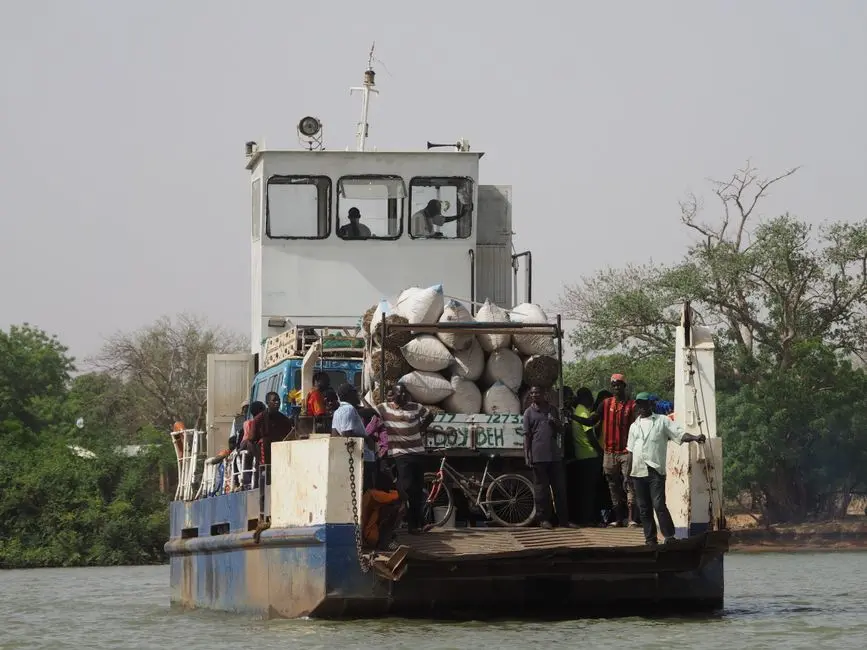
The Niger River is vital for water, agriculture, fishing, local transportation and biodiversity. Environmental projects carried out along the river seek to address climate pressure, silting, pollution and the growing needs of riverside populations.
At the heart of the Sahel, under a relentless sun, a once dry and barren village has turned green. Fruit trees line the paths, wells overflow with clear water, and children play in the shade of mango trees. This is no mirage. It is the fruit of a bold environmental project that, like others across Niger, is redrawing the contours of a country long deemed condemned by desertification.The return of forests in southern Niger
In the Maradi region, residents speak of a miracle. In reality, it is the result of an ancestral technique brought back into fashion: farmer-managed natural regeneration, or FMNR. Using this method, farmers encourage trees to regrow from stumps and roots still alive in the soil.“Ten years ago, our land was bare. Today, we count more than 200 trees per hectare,” says Mahamadou Issaka, a farmer in Dan Saga. “These trees protect our crops from the wind, enrich the soil and attract rain.”According to figures from the NGO World Resources Institute, more than 5 million hectares have been regreened in Niger through FMNR since the 1980s. A transformation visible from space, hailed as one of the greatest reforestation successes in Africa.Solar oases to irrigate the desert
In the desert north, around Agadez, another project is drawing attention: solar farms are rising from the sand, powering drip irrigation systems. These “smart oases” make it possible to grow vegetables and cereals where only a few millimeters of rain fell each year.“We no longer need generators or diesel. The sun, which used to burn us, has become our ally,” explains Aïssa Boureima, head of a women’s agricultural cooperative. “Thanks to solar energy, we produce three harvests a year.”The program, supported by the African Development Bank, has enabled the installation of more than 300 solar pumps in the Agadez region, benefiting more than 25,000 people. A silent revolution, but a lasting one.Green schools for an environmentally aware youth
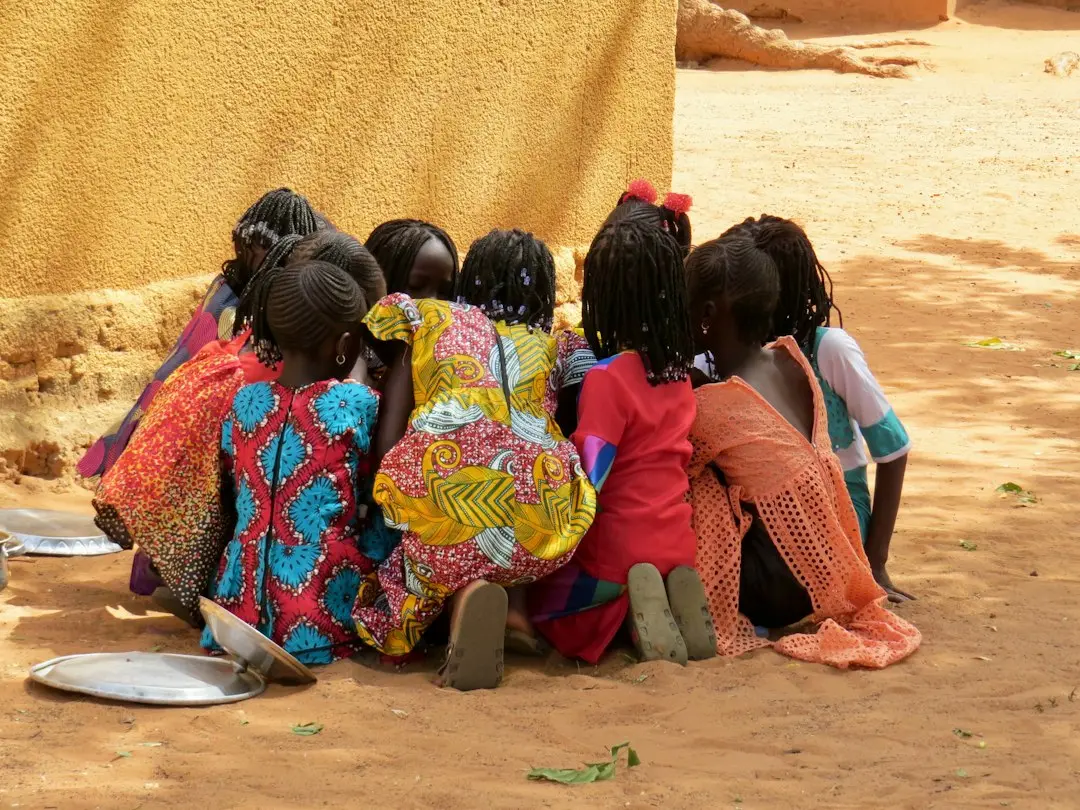
In Niamey, children are planting shrubs in their school courtyard. This is not a simple gardening workshop, but an integral part of the “Green Schools” program, launched in 2019. The goal: to raise awareness of environmental issues from the earliest age.“Each pupil is responsible for a tree. They must water it, protect it, and watch it grow. This creates a very strong bond with nature,” explains Mariama Abdou, a teacher at the primary school in Goudel.To date, more than 600 schools across the country participate in the program. In addition to planting, pupils learn to recycle, to save water and to understand the effects of climate change. An educated generation, ready to defend its future.The revival of the Niger River wetlands
Once rich in fish, the banks of the Niger River had become impoverished. Overexploitation, silting and pollution had driven species away. But a restoration project launched in 2015 is beginning to bear fruit.“We recreated ponds, planted aquatic vegetation, and established biological rest periods,” explains Issoufou Garba, an environmental technician. “Today, fishermen come back with full nets.”Riverside communities have been trained in sustainable fishing practices. The result: fish biomass increased by 40% in five years, according to a study by Université Abdou Moumouni. A breath of fresh air for communities dependent on the river.Ecological bricks for a different way of building
In Zinder, an entrepreneur had a simple but revolutionary idea: manufacturing compressed earth bricks, without firing, from local materials. The result: homes that are cooler, sturdier, and above all more ecological.“An unfired earth brick consumes 80% less energy than a fired brick,” says Hamani Gambo, founder of the HabitaTerre workshop. “And it costs half as much.”The project, supported by the European Union, has already made it possible to build more than 1,000 homes. It also creates local jobs and reduces the deforestation caused by traditional brick production. A solution adapted to the climatic realities of Niger.Women on the front line of the green transition
In rural areas, it is often women who drive the most ambitious initiatives. In Dosso, a women’s collective transforms organic waste into compost, resold to local farmers.“Before, rubbish piled up everywhere. Now it feeds our fields,” smiles Fatiya Djibo, president of the association. “We have trained more than 200 women, and doubled agricultural yields.”Composting helps reduce methane emissions, limit burning and enrich depleted soils. A low-tech solution with a high impact, which gives women a central role in environmental management.Across Niger, local initiatives, often driven by forgotten communities, are reinventing the relationship with the land. They prove that with limited resources but a great deal of determination, it is possible to make a country turn green again. But will these efforts be enough in the face of advancing desert and the climate shocks to come? The future of Niger may well depend on the ability of these projects to expand, to endure… and to inspire.On the same topic
Also read on sustainable development and economy
Projects around the Niger River are part of the major African issues: profitable businesses in Mali, jobs in demand in Africa and the most developed countries in Africa. Water, employment and training are directly linked.