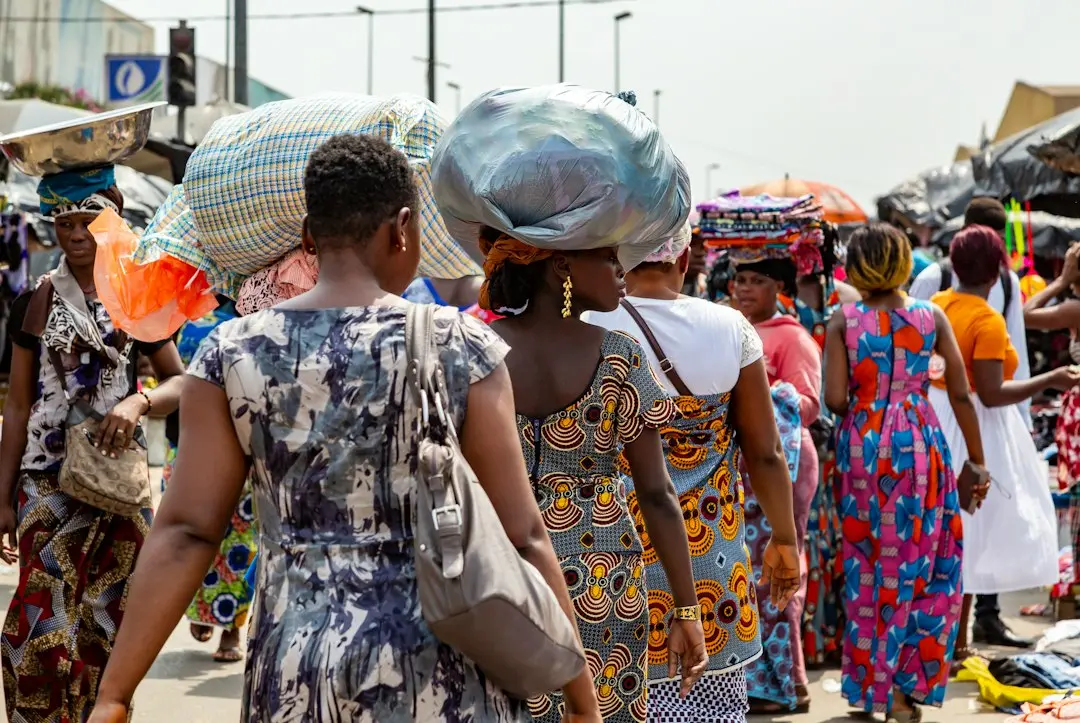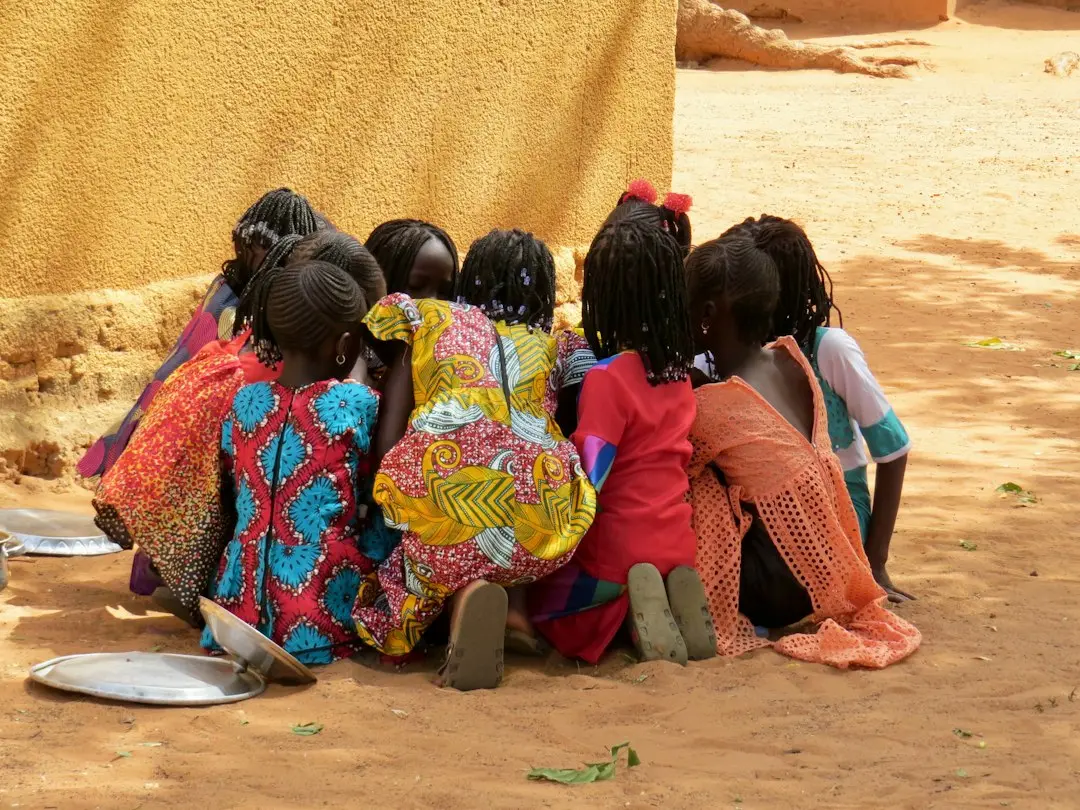




When the sun rises over Kigali, the city seems to breathe a rare calm in Africa. The streets are clean, the hills lush, and the air surprisingly pure. Yet behind this apparent tranquility, Rwanda is leading a silent revolution. A profound, almost unsuspected transformation, which today places it at the heart of the continent’s environmental challenges.
A small country with big ecological ambitions
Rwanda, often nicknamed the “land of a thousand hills”, is neither the largest nor the wealthiest of African countries. But for two decades, it has established itself as an open-air ecological laboratory.
« We have no oil, no great natural resources. Our capital is our environment », explains Jean-Marc Uwizeye, advisor to the Rwandan Ministry of Environment. « And we have decided to make it a driver of development. »
As early as 2008, the country banned plastic bags, becoming one of the first in the world to adopt such a measure. Today, more than 80% of Rwandans live in areas where reforestation or sustainable land management programs have been put in place.
In 2023, Rwanda invested more than 150 million dollars in green projects, ranging from solar energy to electric transport. A feat for a country whose GDP remains modest.
The cleanliness of Kigali, a symbol that has become a model
Walking through the streets of Kigali is to experience an African capital without waste, without massive traffic jams, without excessive noise pollution. Every last Saturday of the month, citizens take part in Umuganda, a national day of community work. Cleaning, tree planting, road maintenance: everyone gets involved, from the president to schoolchildren.
« Umuganda is not just a chore. It is our way of reconnecting with the land », confides Claudine, a resident of the Kacyiru neighborhood. « We feel responsible for our environment. »
This model of participatory governance is now inspiring other countries. In 2022, Benin, Senegal and Malawi sent delegations to Kigali to study the system.
Environmental policies driven by strong political will
In Rwanda, ecology is not a trend. It is enshrined in the Constitution. The government has created a dedicated institution: the Rwanda Environment Management Authority (REMA), endowed with extensive powers to monitor, advise and sanction.
« What makes the difference here is the consistency between words and actions », analyses Dr. Fatou Diop, a West African specialist in environmental policies. « Rwanda has succeeded in integrating the environment into all its public policies: urban planning, agriculture, education. »
In 2021, the country launched its National Climate Strategy to the horizon 2050. Objective: to achieve carbon neutrality, while maintaining sustained economic growth. A bold bet, but one that already seems to be bearing fruit.
A booming green economy
Rwanda’s ecological shift is not limited to nature protection. It also creates jobs and attracts investment.
The Green Fund, a public-private fund launched in 2012, has mobilized more than 200 million dollars to finance sustainable projects. Thanks to it, more than 150 000 green jobs have been created, according to official figures.
Local start-ups are venturing into the production of ecological bricks, electronic waste recycling and agrivoltaics. Foreign companies, attracted by the country’s stability and green vision, are investing in renewable energy.
« Rwanda has become a hub for responsible investors », states Thomas Keller, a German consultant based in Kigali. « Here, you can feel a genuine desire to build an African model of sustainable development. »
A green diplomacy that is asserting itself
On the international stage, Kigali speaks with confidence. In 2016, Rwanda hosted the conference that led to the Kigali Amendment, a historic agreement aimed at reducing HFC gases, powerful contributors to climate change.
Since then, the country has multiplied its initiatives: active participation in COPs, partnerships with the United Nations, south-south cooperation with other African countries. In 2022, Rwanda launched with Ghana and Ethiopia a coalition for the restoration of degraded ecosystems, covering more than 10 million hectares.
« Rwanda is no longer a mere participant. It is a driving force », summarizes Kenyan activist Wanjira Mutoni. « It shows that Africa can be at the forefront of climate solutions. »
Persistent challenges, but a clear vision
Not everything is perfect. Demographic pressure remains strong, water resources are fragile, and social inequalities persist. The challenge is to reconcile ecology and inclusion.
« The green transition must benefit everyone, not just urban elites », warns Aimable Niyonzima, a researcher at the University of Rwanda. « Otherwise, we risk creating new divides. »
But despite these obstacles, the country continues on its path. Methodically. Ambitiously. And with a rare conviction on the continent: that the environment is not a luxury, but a vital necessity.
Rwanda, small in size but great in vision, is it showing the way for all of Africa?