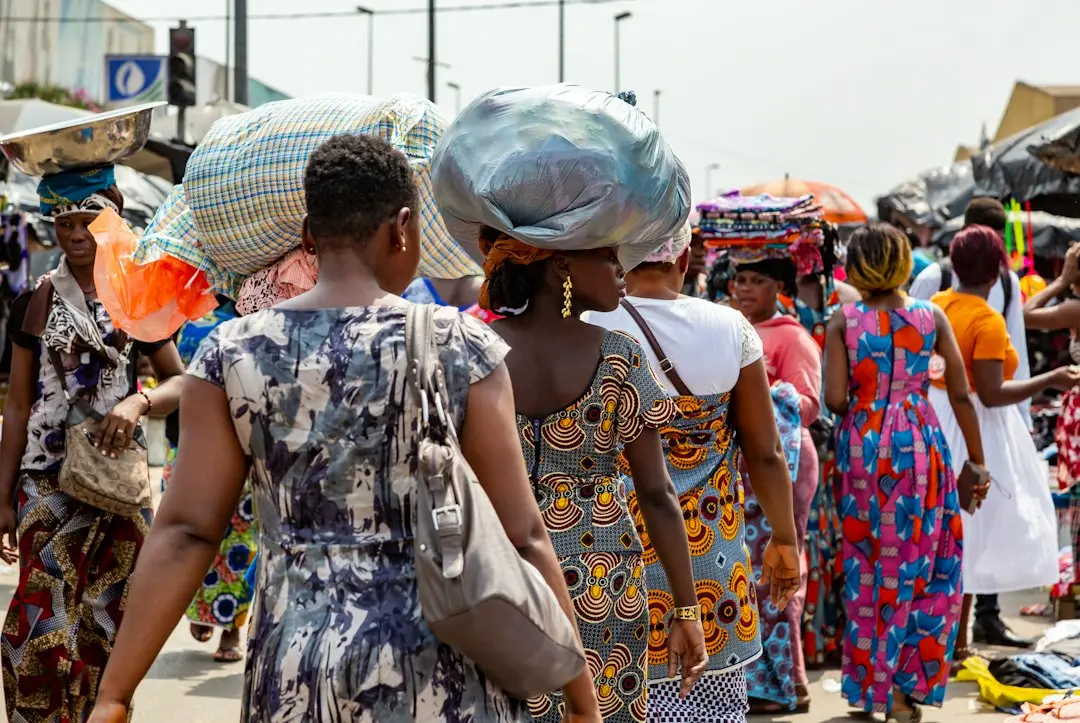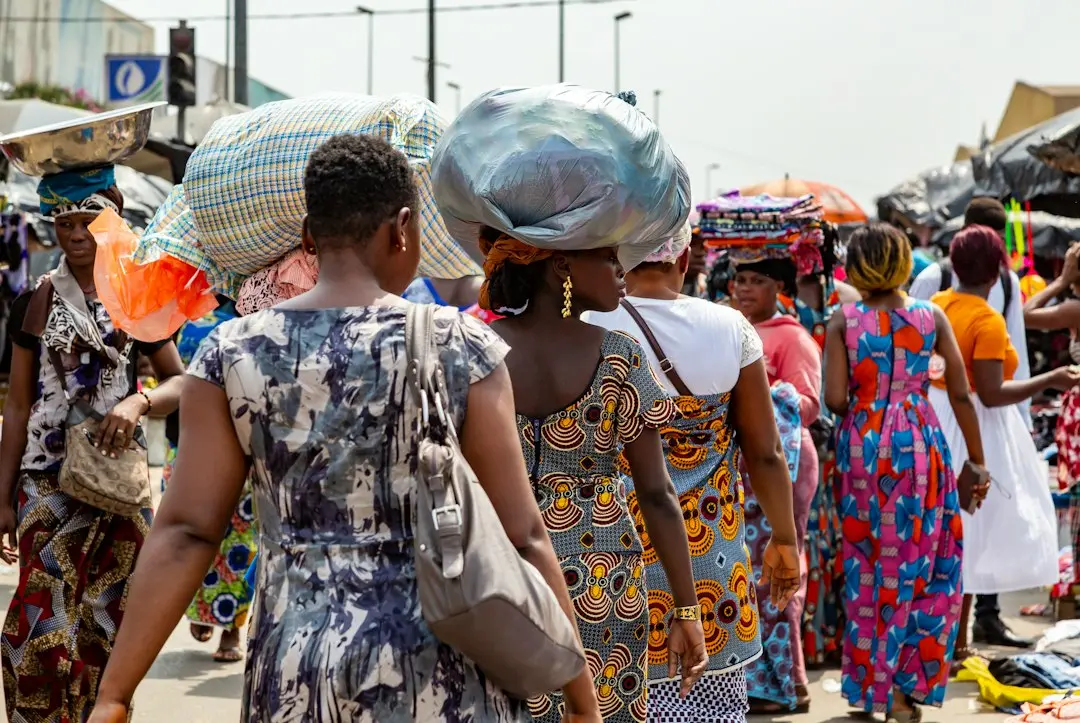


In the bustling streets of Accra, a quiet murmur circulates among merchants, students, and diplomats: Ghana is changing. Not only in its infrastructure or economic ambitions, but in the way it positions itself on the world stage. As major powers redraw their alliances, this West African country finds itself at the crossroads of complex geopolitical trajectories. Between promises of a bright future and invisible threats, Ghana moves forward in balance on an uncertain ridge.
A strategic crossroads at the heart of West Africa
Ghana does not share borders with major powers, but it is at the center of their attention. Located between Côte d’Ivoire and Togo, with a maritime front open to the Atlantic, the country has become a hub for foreign investment and strategic interests.
The Afriques newsletter
- Free & no spam
- 1 email per day
- Unsubscribe in 1 click
Since 2010, Ghana has discovered significant offshore oil reserves, attracting giants such as ExxonMobil, TotalEnergies, and the China National Offshore Oil Corporation. “Ghana’s subsoil has become a precious card in the global energy game,” explains Kwame Mensah, a geopolitics analyst based in Kumasi.
But that is not all. Ghana is also perceived as an island of stability in a region often shaken by military coups and ethnic tensions. “International partners see us as a model of democracy in West Africa,” says Ama Owusu, a researcher at the University of Ghana. A reputation that attracts as much as it exposes.
China, the United States, and the battle of influence
In the corridors of Ghana’s Ministry of Foreign Affairs, a map of the country is pinned with red, blue, and yellow flags. Each one represents a major project: roads, hospitals, digital infrastructure. Behind these initiatives, China and the United States wage a muted but intense influence war.
China built the Bui Dam, financed the expansion of the port of Tema, and launched educational partnerships. In 2021, it became Ghana’s leading trade partner. “They don’t ask too many questions, they sign and they build,” confides a senior official speaking anonymously.
In response, Washington is not standing idle. Ghana benefits from the support of the Millennium Challenge Corporation, with more than 500 million dollars injected into the energy sector. In 2018, a military cooperation agreement between Accra and the United States sparked protests, revealing underlying tensions.
“We are courted by everyone, but this forces us to make very delicate strategic choices,” acknowledges Joseph Aidoo, adviser at the Ministry of Defence. “Too much closeness with one can alienate the other.”
An economy under pressure despite its potential
Ghana has long been presented as an example of growth in Africa. But recent years have laid bare its vulnerabilities. In 2022, the country experienced runaway inflation exceeding 50%, a severe devaluation of the cedi, and public debt peaking at 88% of GDP.
To avoid default, Accra turned to the IMF. A loan of 3 billion dollars was granted, accompanied by strict reforms. “We needed a safety net, but it comes at a high political and social cost,” admits Finance Minister Ken Ofori-Atta.
Despite these difficulties, Ghana retains undeniable potential. Its agricultural sector, its gold mines — the country is Africa’s leading producer — and its dynamic youth represent major assets. But dependence on external markets and foreign capital makes it vulnerable to global shocks.
“The real challenge is to build a resilient economy capable of withstanding geopolitical turbulence,” says Nana Agyeman, an independent economist. “And that requires a long-term vision.”
Regional instability: a troubling neighborhood
Ghana is surrounded by countries shaken by political or security crises. Burkina Faso to the north, in the grip of a jihadist insurgency. Côte d’Ivoire, still marked by a decade of post-electoral tensions. Togo, under an authoritarian regime for more than 50 years.
“We cannot remain indifferent to what is happening around us,” says Colonel Emmanuel Boateng, head of internal security. “Refugee flows, arms trafficking, terrorist infiltrations… all of this has a direct impact on our stability.”
In 2023, authorities reinforced patrols in border regions and launched awareness campaigns in the north. But the challenges remain immense. Dormant cells may exist, according to certain security sources.
“Ghana is a potential target for those who want to destabilize the region,” warns a confidential note from the West African Centre for Counter-Terrorism. “Its stability is both its strength and its weakness.”
A youth in search of direction and a future
In the cafés of Tamale or on the campuses of Cape Coast, Ghanaian youth are asking questions. They represent more than 60% of the population, but struggle to find their place in a rapidly changing country.
“We are told about opportunities, but many end up unemployed or leave for Europe,” says Lydia, 24, a computer science graduate. “We want to believe in our country, but leaders need to listen to us.”
Social media has become a space for political expression and advocacy. The #FixTheCountry movement, launched in 2021, mobilized thousands of young people against corruption and government inaction.
“Tomorrow’s Ghana is being decided today in the minds of its youth,” says sociologist Kofi Nyarko. “If they feel excluded, they will become a force for disruption. If they are included, they will be the engine of change.”
Agile diplomacy in an uncertain world
Faced with international tensions, Ghana bets on balanced diplomacy. It maintains cordial relations with Russia while remaining close to the United States. It supports ECOWAS, but refuses brutal interference. It advocates pan-Africanism while cultivating its bilateral partnerships.
“We must be like water, able to adapt to all forms without losing our essence,” summarizes Shirley Ayorkor Botchwey, Minister of Foreign Affairs. “The world changes, but our course remains the same: peace, development, sovereignty.”
Ghana wants to play the role of mediator, a bridge between blocs. It recently hosted talks on the Sahel, participated in discussions on the African Free Trade Zone, and proposed initiatives for regional cybersecurity.
But this posture demands constant vigilance. One misstep, one misreading of the balance of power, and the country could lose its exceptional status in a region in turmoil.
As the tectonic plates of global geopolitics continue to shift, will Ghana manage to preserve its balance without being crushed by the forces surrounding it? The answer may already be unfolding, in the silence of negotiations and the gazes turned toward the horizon.