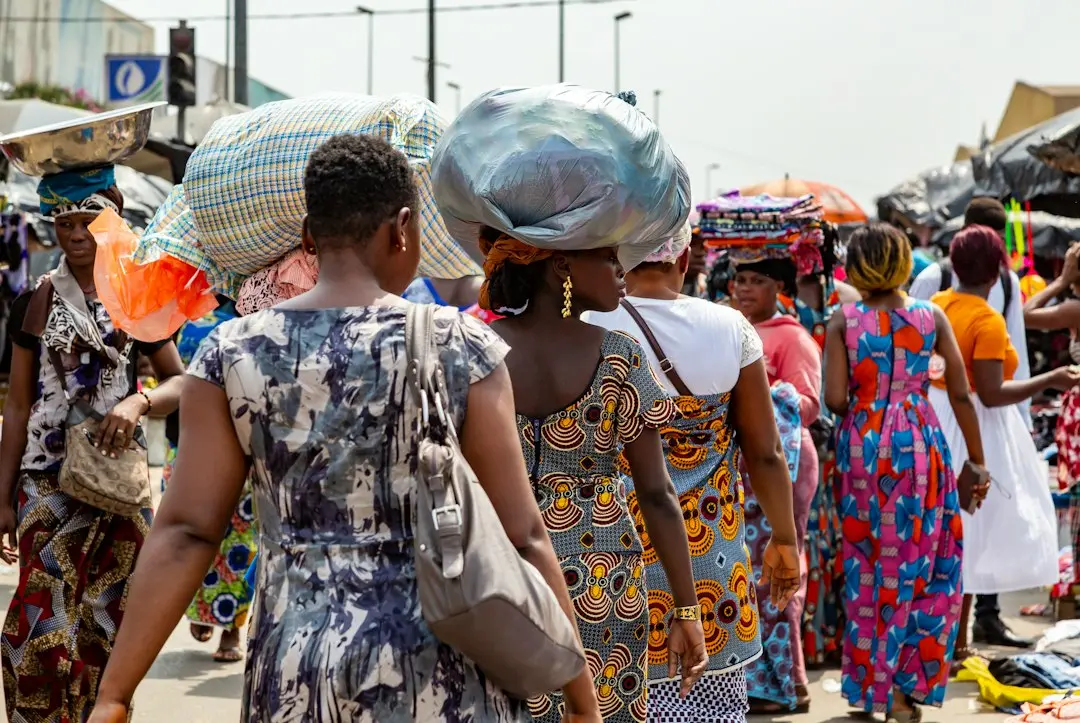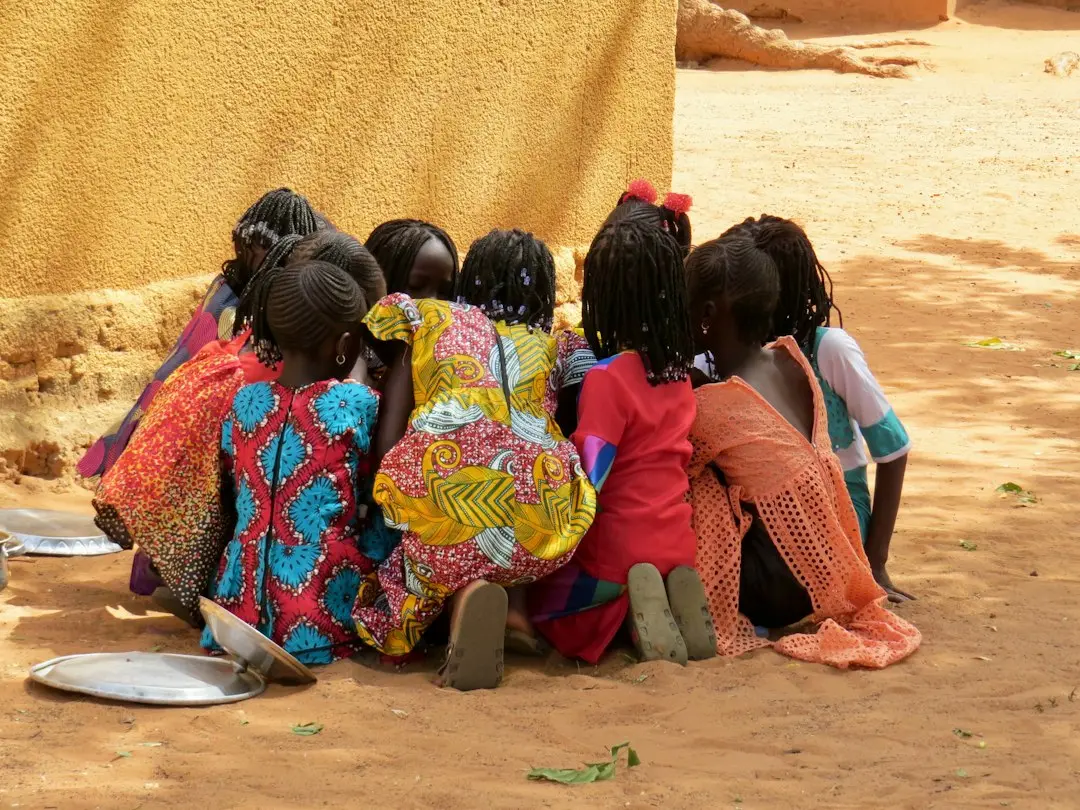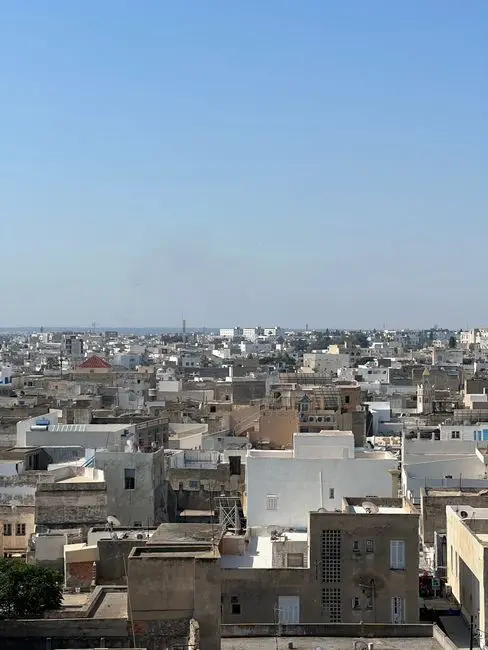




In the dusty streets of Ouagadougou, a strange ballet unfolds every morning. Young people on tricycles collect plastic waste, women transform moringa leaves into powder, and engineers design solar ovens in small makeshift workshops. This is not a green utopia. This is the new face of Burkina Faso.
A country on alert, a youth in motion
Burkina Faso, a landlocked Sahelian country, has long been perceived as vulnerable to environmental challenges: rampant desertification, water scarcity, and demographic pressure. But over the past few years, a quiet change has been taking place. An environmental ecosystem is emerging, driven by an inventive youth and bold local initiatives.
“We understood that no one would come to save our land for us,” confides Aïcha Zongo, 27, founder of Faso Green, a composting cooperative in Bobo-Dioulasso. “So we decided to act. With what we have.”
According to the Ministry of the Environment, more than 500 micro-ecological initiatives have emerged between 2018 and 2023, ranging from artisanal recycling to agroforestry and solar energy. A modest figure, but one that reveals an underlying dynamic.
The silent revolution of plastic
Every day, Ouagadougou produces around 200 tonnes of solid waste, a significant portion of which consists of non-biodegradable plastic. Faced with the inaction of authorities, citizen collectives have taken matters into their own hands.
At the entrance to the Tampouy neighborhood, a corrugated iron shed houses the workshop of Recycl’Art, a social start-up founded by two former biology students. Here, used plastic water sachets are turned into backpacks, mats, or decorative objects.
“We recover around 3 tonnes of plastic per month,” explains Idrissa Ouattara, co-founder. “That’s not enormous, but it’s a start. And above all, we raise awareness. People are beginning to see plastic differently.”
In schools, children take part in collection competitions. In markets, some traders now refuse single-use sachets. A slow shift in mentalities is beginning to take hold.
The trees are coming back, one by one
Burkina Faso loses an average of 105 000 hectares of forest every year. But in some regions, the trend is reversing. Thanks to ancestral techniques brought back into fashion, farmers are reforesting their land, tree by tree.
In Yacouta, in the province of Yatenga, Moussa Kaboré, a 52-year-old farmer, proudly shows off his lush plots. “I use zaï, a traditional technique. I dig holes, put compost in them, and the trees grow back.”
This method, combined with agroforestry, has helped re-green more than 3 million hectares in the Sahel, according to the NGO Tree Aid. Burkina Faso plays a pioneering role in the Great Green Wall project, a belt of vegetation intended to stretch across the entire Sahelian Africa.
“It’s not just about planting trees,” explains Fatimata Diallo, programme manager. “It’s about restoring a relationship between people and the land.”
The sun, a new popular energy source
With more than 300 days of sunshine per year, Burkina Faso has an immense solar potential. Yet nearly 60% of the population still has no access to electricity. Faced with this paradox, local solutions are emerging.
In Koupéla, a small town in the east, self-taught engineer Souleymane Traoré builds solar ovens from salvaged materials. “I sell my ovens for 15 000 francs CFA. They allow cooking without wood or charcoal.”
In rural areas, women’s cooperatives use these ovens to dry fruit, produce soap, or sterilize water. “It changes the lives of women,” says Mariam Sanou, president of a local association. “Less smoke, less drudgery, more time for children.”
The government launched in 2022 a solar electrification programme for 300 villages, with the support of international partners. But it is often popular ingenuity that fills the gaps.
A green economy in the making
Behind every ecological project, a new economy is taking shape. A green, inclusive economy, adapted to the local context. Hundreds of young Burkinabè see it as an opportunity for employment and impact.
“We don’t just want to plant trees. We want to create sustainable businesses,” says Issouf Nikiéma, 30, founder of a start-up making ecological bricks from compressed earth. “We build houses that breathe and cost less.”
The sector is also attracting investment. In 2023, the pan-African fund Green Africa injected 2,5 million euros into green projects in Burkina Faso. A strong signal.
But the challenges remain immense: lack of funding, absence of a legal framework, political instability. “The State must play its role as a facilitator,” urges economist Sylvie Yaméogo. “Otherwise, these initiatives will remain isolated.”
A new awareness in the face of urgency
Beyond the projects and the figures, an ecological consciousness is emerging — diffuse, still fragile, but very real. In schools, community radio stations, and mosques, a new discourse is taking hold: that of collective responsibility.
“Before, we thought nature was there to serve us. Now, we understand that it can also take its revenge,” whispers the elderly traditional chief of Kombissiri. “We must listen to the signs.”
Burkina Faso, a land of resilience, is no longer content to simply endure. It invents, experiments, resists. In the shadow of security crises, another battle is being fought: that for ecological survival. And it is waged with compost, seeds, sunlight, and determination.
The question is now posed: can this green stirring become a genuine turning point for the country? Or will it remain a fragile parenthesis in an overheating world?
Also read on African dynamics
To place this subject in a continental perspective, also consult GDP of African countries, profitable businesses in Africa, African capitals and jobs recruiting in Africa.