



In the bustling alleyways of Kinshasa, between the honking of taxi-buses and the cries of street vendors, another sound is beginning to make itself heard: that of a developer’s keyboard, the hum of a 3D printer, or the quiet drone of a generator in a makeshift start-up. A new wind is blowing through the Democratic Republic of Congo, carried by a generation of entrepreneurs reshaping the contours of the local economy.
A youth that refuses to wait
In a country where more than 60% of the population is under 25, entrepreneurship is no longer a choice, but a necessity. Youth unemployment has reached alarming levels, approaching 70% in some urban areas. Yet, instead of giving in to discouragement, a new generation is choosing to create its own opportunities.
“We understood that no one was going to come and save us. So we decided to save ourselves,” says Grâce Mbuyi, 27, founder of Makasi Tech, a start-up specializing in the repair and resale of recycled smartphones. She now employs 12 young people in a small workshop in Limete, Kinshasa.
This entrepreneurial dynamism is expressed across all sectors: agriculture, technology, energy, crafts, and services. Incubators are springing up like mushrooms: Ingenious City, Kobo Hub, PULSE, and Silikin Village offer training, mentoring, and sometimes a little funding to those who dare to take the plunge.
Congolese tech, a promise in the making
According to World Bank figures, only 9% of the Congolese population has access to the Internet. Yet this has not prevented the emergence of a dynamic tech scene, driven by young people trained locally or abroad, who have often returned home with an idea in mind.
“We have the talent, we have the ideas — what we lack is the infrastructure,” explains Patrick Banza, co-founder of WapiPay, a mobile payment application that aims to connect rural areas to financial services. “But even without 4G, we can innovate. We work with USSD, SMS, whatever works.”
Low-tech solutions, adapted to the local context, are emerging. Applications for agriculture, health, and education — such as Schoolap, which offers digital educational content for secondary school students. In 2023, the start-up surpassed the 200,000 active users mark.
Women on the front line
Long excluded from the formal economy, Congolese women are now taking a central place in the entrepreneurial ecosystem. According to a study conducted by the UNDP in 2022, nearly 40% of new businesses created in Kinshasa are led by women.
In Lubumbashi, in the south of the country, Aïcha Kalenga launched a company that transforms cassava into gluten-free flour. “I wanted to add value to a local product while meeting a health need,” she explains. Her company now employs 25 people, 80% of whom are women from disadvantaged backgrounds.
Women’s networks are multiplying: Women in Tech DRC, Mama Entrepreneurs, and SheLeadsAfrica organize workshops, pitch competitions, and training sessions to strengthen the skills and visibility of women entrepreneurs.
Enormous challenges, but unwavering determination
Despite the buzz, obstacles remain numerous. Access to financing is one of the most critical. Fewer than 5% of Congolese start-ups manage to obtain a bank loan. Interest rates often exceed 20%, and the guarantees required are out of reach for most young entrepreneurs.
“I had to sell my motorbike to finance my first stock,” recounts Junior Kayembe, founder of a motorbike meal delivery company. “No bank wanted to back me. Yet today, I deliver more than 200 meals a day.”
Added to this are power outages, administrative slowdowns, political instability, and conflicts in the east of the country. But despite everything, the ecosystem holds on, driven by a fierce determination to succeed.
Timid but growing international support
Faced with this momentum, international partners are beginning to take a closer interest in Congolese entrepreneurship. The European Union launched a 10 million euro program in 2023 to support incubators and SMEs. The African Development Bank, for its part, is financing rural electrification projects led by local entrepreneurs.
Private actors are also getting involved. In 2022, Orange Digital Ventures invested in two Congolese start-ups. American giant Google recently organized a bootcamp in Kinshasa, attracting more than 500 young developers.
But for many, this is just the beginning. “We need more than one-off grants. What is needed is a real long-term support strategy,” says Chantal Ilunga, director of an impact investment fund based in Goma.
A silent revolution underway
What is happening today in the DRC goes beyond the simple creation of businesses. It is a profound transformation of society, a reclaiming of destiny by a youth that refuses to be reduced to statistics.
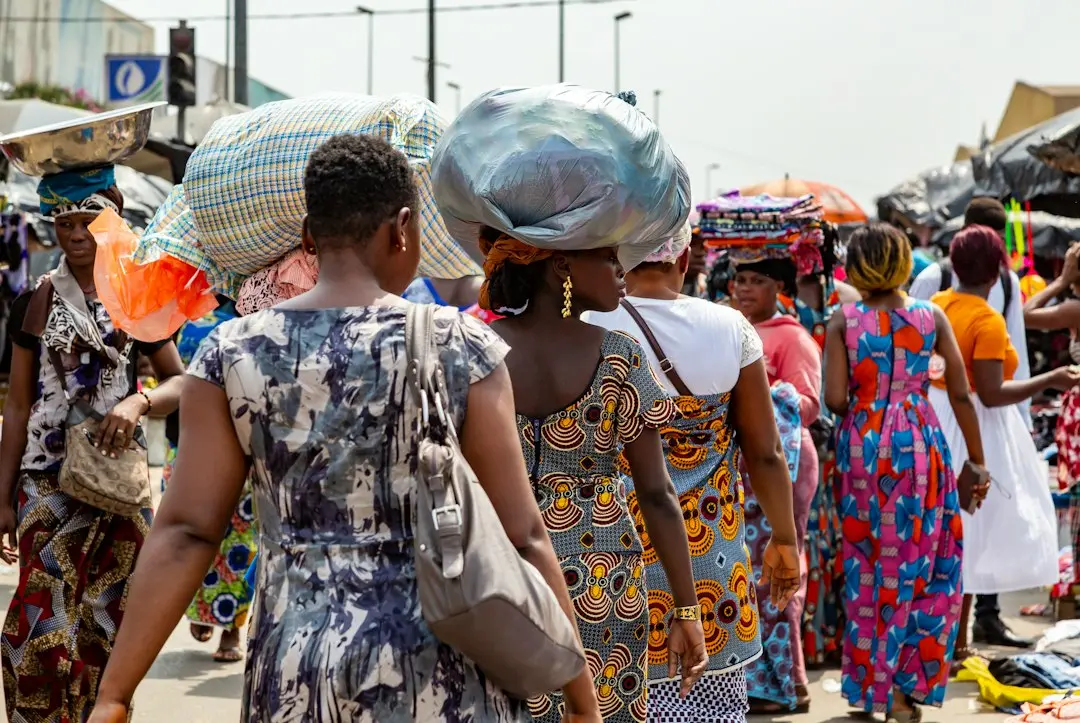
In the streets of Bukavu, the markets of Kisangani, or the popular neighborhoods of Kinshasa, ideas are born, projects take shape, and lives change. Far from the spotlight, a silent revolution is underway.
“We don’t just want to succeed for ourselves. We want to build a country where our children will have a choice,” says Grâce Mbuyi calmly, her eyes shining with hope.
And what if it were there — in those makeshift workshops, those rudimentary applications, those rural cooperatives — that the economic future of the DRC was taking shape?