


In the dusty streets of Hassi Messaoud, flares continue to burn day and night. But in the cafés, conversations have changed. Fewer barrels, more projects. Because in Algeria, one question is on everyone’s lips: what will the country do when the oil stops flowing freely?
A wealth that has long overshadowed everything else
For decades, the Algerian economy has relied almost entirely on hydrocarbons. Oil and natural gas account for nearly 95% of the country’s exports and more than 60% of its budget. A windfall that has funded massive subsidies, infrastructure, and relative social stability.
But this dependence comes at a price. Every time oil prices drop, the country falters. In 2014, when global prices collapsed, Algeria saw its foreign exchange reserves shrink by half in just three years. “It was a shock. We understood that our model was vulnerable,” says Samir K., an economist at the University of Blida.
The Revenue Regulation Fund, meant to cushion crises, was emptied. Public investment was cut. And young people, of whom nearly 70% are under 35, began to lose patience.
Untapped potential beyond oil
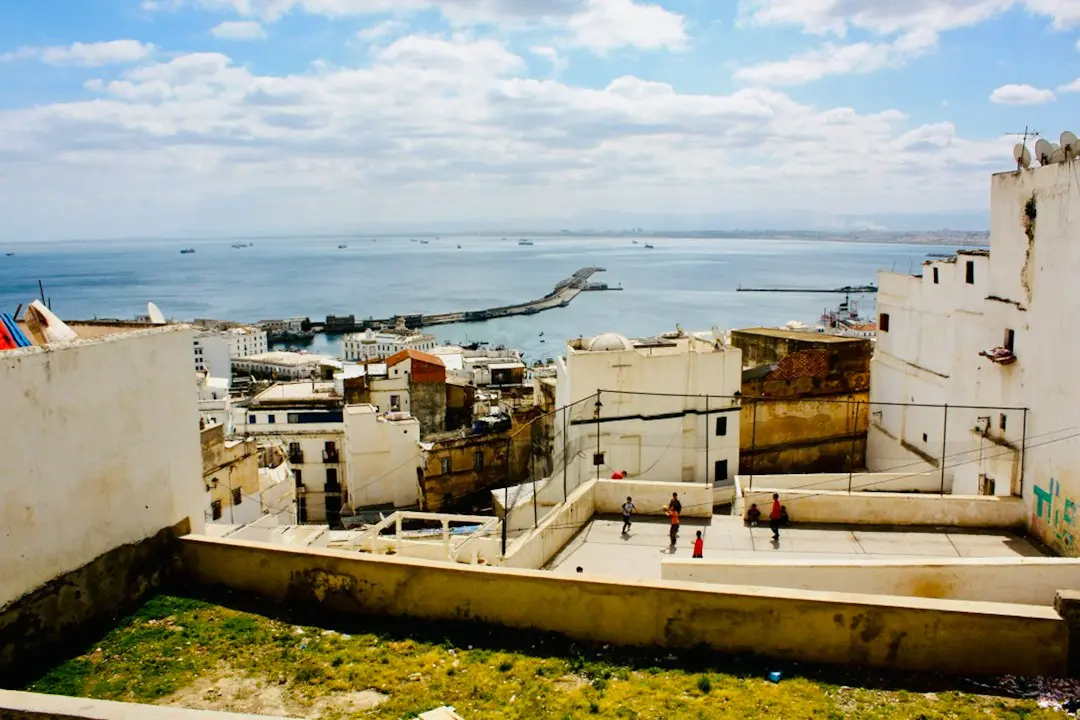
Yet Algeria is not short of assets. With 2,400 kilometres of coastline, a record sunshine rate of more than 3,000 hours per year, fertile agricultural land in the north and a mineral-rich desert in the south, the country could reinvent itself.
“We long thought that oil was enough for us. But today, we realise we have neglected everything else,” explains Leïla B., an agri-food entrepreneur in Oran. She launched an organic tomato cannery and is already exporting to Europe.
The agricultural sector, which employs 12% of the active population, could become a cornerstone. In 2023, cereal production reached 4 million tonnes, a record since independence. And in the south, solar-powered irrigation projects are turning the desert into orchards.
The solar energy bet
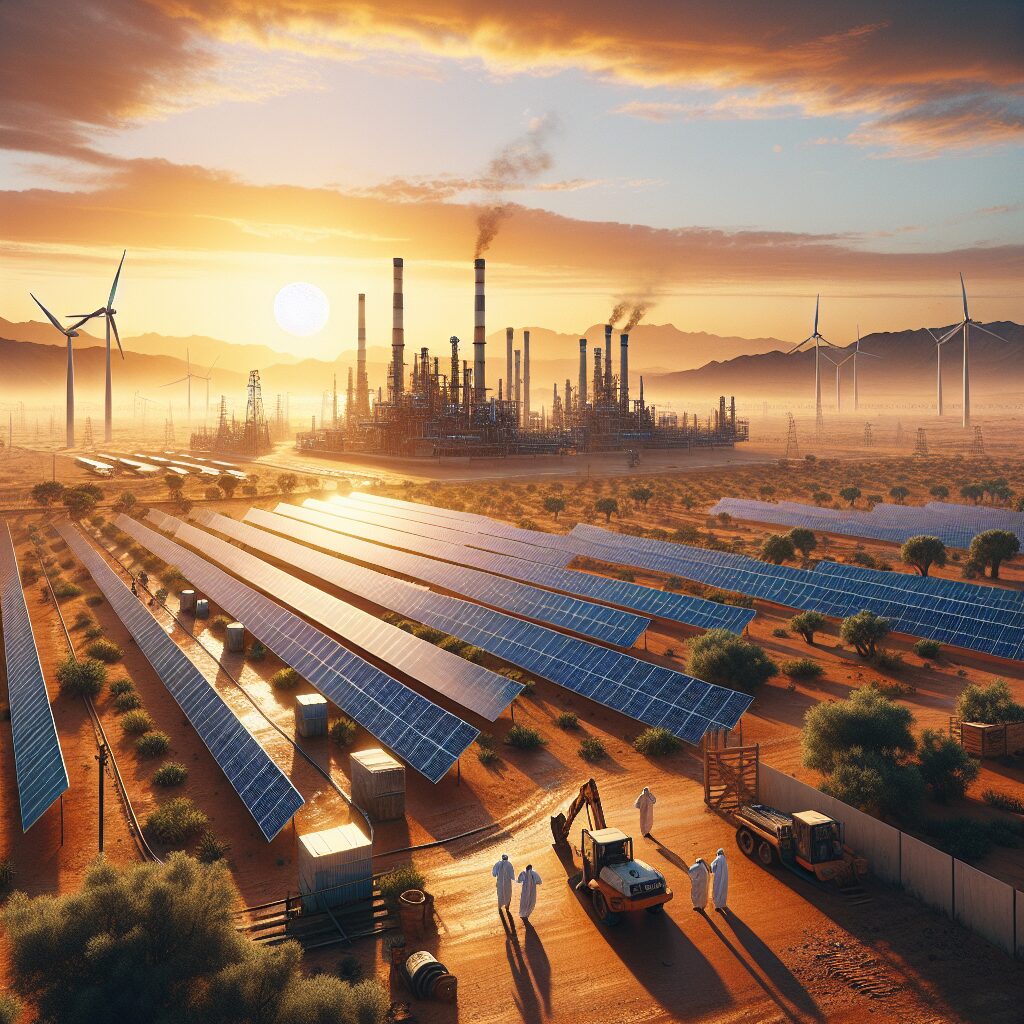
In the heart of the Sahara, in Adrar, solar panels stretch as far as the eye can see. The “Tafouk 1” project aims to produce 4,000 megawatts of solar electricity by 2030. “It is our gold of the future,” says Mourad H., an engineer on the site.
With one of the strongest solar potentials in the world, Algeria could become an exporter of green electricity to Europe. The government aims for 27% renewable energy in its energy mix by 2035. But obstacles are numerous: administrative delays, lack of funding, and persistent dependence on oil revenues to invest.
According to a study by the International Energy Agency, Algeria could generate up to 170 TWh per year through solar power, more than three times its current consumption. But to achieve this, the grid will need to be modernised, investors attracted, and above all, belief in this transition.
A youth ready to innovate
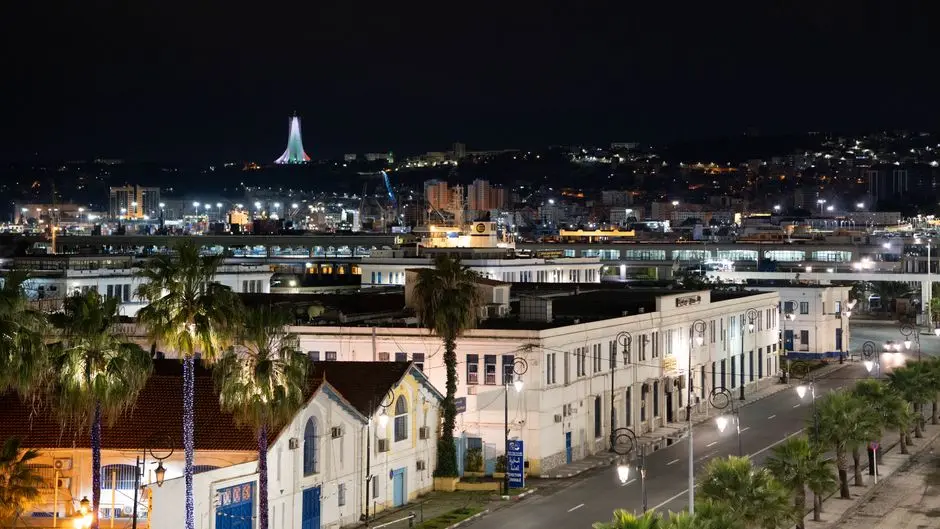
In the neighbourhoods of Alger, startup incubators are multiplying. Coders, designers, engineers… A new generation is rising, fully determined not to wait for the post-oil era to act.
“We don’t want to depend on the state or on oil. We want to create our own opportunities,” says Yacine, 26, founder of a local delivery app. Supported by a microcredit programme, he already employs around ten delivery drivers in the capital.
In 2022, more than 1,200 startups were registered in the country. The Ministry of Knowledge Economy even launched a “Start-up” label to facilitate access to financing and public procurement. A dynamic that is still fragile, but one that reflects a shift in mentality.
“Ten years ago, everyone dreamed of a position in the civil service. Today, young people want to create, innovate, travel,” observes Nadia T., an entrepreneurship coach in Constantine.
Slow but necessary reforms
To durably break free from oil rents, Algeria will also need to tackle structural reforms. Simplifying the business environment, reducing bureaucracy, diversifying fiscal sources, and above all, restoring trust.
“As long as we don’t create a climate favourable to investment, capital will remain cautious,” warns economist Samir K. The World Bank’s Doing Business ranking places Algeria 157th worldwide in terms of ease of doing business.
The government has initiated some reforms: partial lifting of restrictions on foreign investment, easing of foreign exchange controls, creation of special economic zones. But for now, results remain modest.
“We are moving forward, but in small steps. We need a political surge, a clear and shared vision,” insists Leïla B., the entrepreneur from Oran. “Otherwise, we will keep suffering through oil cycles.”
A future to be written beyond the wells
Algeria stands at a crossroads. Between the wells that are running dry and the ideas that are taking root, the country must choose what story it wants to tell tomorrow. That of a sleeping giant, or that of a nation that managed to reinvent itself by looking beyond its pipelines.
“Oil bought us time. It is up to us not to waste it,” sums up Mourad, the desert engineer. And what if Algeria’s true treasure lay not underground, but in the minds and hearts of those who dream of a different future?