


In 2026, the Malian labor market is marked by a productive contradiction: on one side, an economy under pressure (partially lifted sanctions, post-transition institutional reconstruction), on the other, a demand for skills that shows no sign of weakening in several key sectors. Understanding which jobs are truly hiring in Mali helps orient training, target an employer, or identify an independent business niche.
The most in-demand jobs in Mali in 2026: table by sector
| Sector | In-demand jobs | Indicative gross monthly salary (FCFA) | Prospects |
|---|---|---|---|
| Construction and infrastructure | Civil engineer, site manager, skilled mason | 150 000 – 600 000 | Very strong (road projects, housing) |
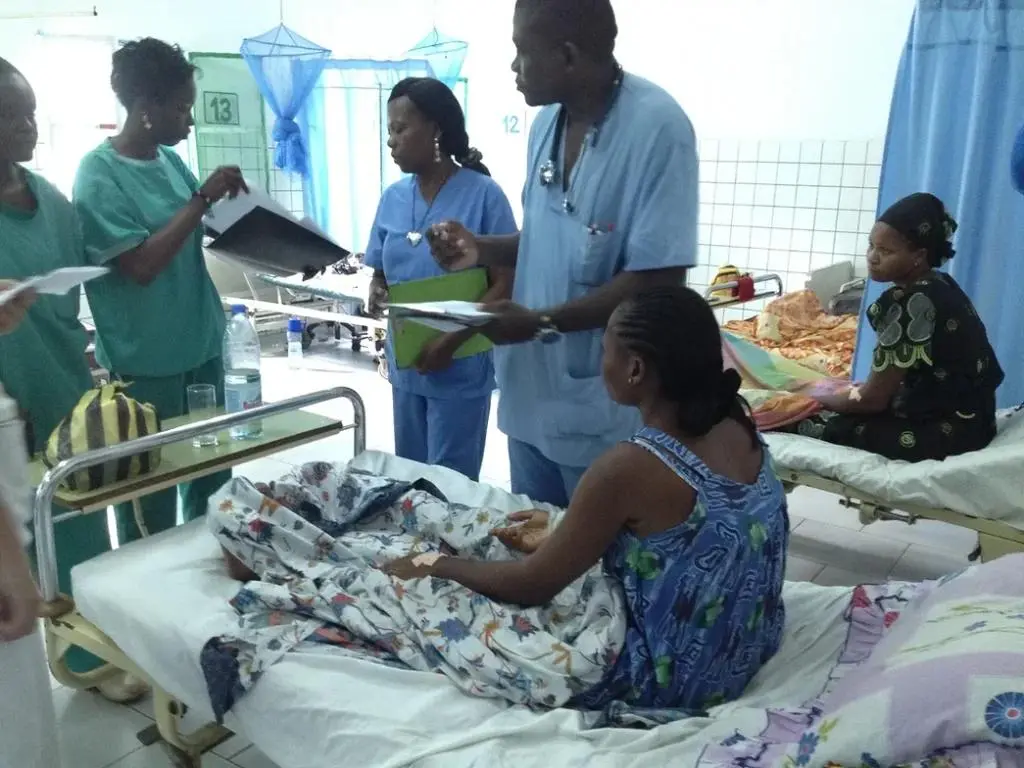
| Healthcare | Nurse, midwife, laboratory technician | 100 000 – 350 000 | Strong (structural shortage in rural areas) |
| Education and training | Teacher (secondary, vocational), professional trainer | 90 000 – 280 000 | Stable (demographic growth) |
| Digital and tech | Web/mobile developer, social media manager, data analyst | 120 000 – 500 000 | Strong (low local competition) |
| Finance and accounting | Accountant, auditor, SME manager | 130 000 – 400 000 | Stable (SMEs, NGOs, projects) |
| Agro-industry | Agricultural technician, field agent, food processor | 80 000 – 250 000 | Growing (food sovereignty policies) |
| Solar energy | Photovoltaic installation technician, solar electrician | 120 000 – 350 000 | Very strong (accelerated rural electrification) |
| Logistics and transport | Heavy goods driver, stock manager, customs agent | 100 000 – 300 000 | Strong (regional trade flows) |
Construction and solar energy: the two overheating sectors
Construction remains the leading formal employer outside agriculture in Mali. Road infrastructure projects (Bamako–Bougouni road, housing developments in Bamako and Ségou), school and health center rehabilitations funded by bilateral cooperation maintain a constant demand for engineers, site managers, and skilled technicians. Salaries in formal civil engineering regularly exceed 400 000 FCFA for experienced profiles.
Solar energy is the fastest-growing sector. The Malian government accelerated its rural electrification program from 2023 onward, and humanitarian organizations are funding solar installations in displaced persons camps in the north. A trained and certified solar technician finds work within a few weeks in Bamako, and can quickly go independent by offering residential or agricultural installations.
Digital: the least saturated niche in Mali
Mali still has very few web or mobile developers trained for the local market. Most companies and NGOs based in Bamako rely on foreign service providers or freelancers based in Côte d’Ivoire or Senegal for their digital needs. This shortage creates a real opportunity for anyone who masters WordPress development, social media management, or French-language web content creation.
International freelance platforms (Upwork, Malt, ComeUp) now allow Malian developers to work for European clients from Bamako, with hourly rates 3 to 5 times higher than those on the local market.
How to find a job in Bamako in 2026
- Target NGOs and international organizations: PNUD, UNICEF, MSF, OIM and national NGOs remain among the best employers in terms of salary and stability in Bamako. Their job postings are published on ReliefWeb, DevNetJobs, and their official websites.
- Network via WhatsApp and Facebook: in Mali, a large share of job offers circulates in informal groups. Joining Facebook groups such as “Emplois Mali”, “Offres d’emploi Bamako” or the pages of major local companies is essential.
- Build your LinkedIn profile: foreign companies (mining, construction, oil services) recruit via LinkedIn. A well-crafted profile in French with clearly listed technical skills significantly increases the chances of being contacted.
- Keep learning continuously: short certifications (Coursera, Google, Microsoft) are recognized by local employers and help candidates stand out. In digital, a Google Analytics or Meta Blueprint certification can make all the difference.
FAQ – Most in-demand jobs in Mali in 2026
What is the highest-paying job in Mali?
In the formal sector, the highest-paying jobs in Mali are engineers (civil, mining, petroleum), specialist doctors, corporate lawyers, and financial executives working for multinationals or international organizations. These profiles can exceed 700 000 to 1 500 000 FCFA per month in large organizations. Senior IT developers working for foreign clients can reach equivalent income as freelancers.
Can you find work without a degree in Mali?
Yes, in several sectors. Construction hires skilled masons, tilers, painters, and plumbers without requiring a formal degree — practical skill and reputation are enough. Sales, delivery, and local services operate largely on networking and trust. Short certifications (3 to 6-month technical training courses) provide access to better-paying positions in solar energy, IT, or accounting.
Which sectors are hiring the most in Bamako in 2026?
The sectors hiring the most in Bamako in 2026 are construction (infrastructure projects), healthcare (hospitals, private clinics, NGOs), digital (development, digital marketing), agro-industry (food processing, cooperatives), and solar energy (installation, maintenance). Logistics and trade (import-export) also remain major providers of informal and semi-formal employment.
Where to train for in-demand jobs in Mali?
Several training institutions provide quick access to the jobs that are hiring in Bamako and in Mali’s major cities.
- CAMPC (Centre Africain de Management et de Perfectionnement des Cadres): training in management, accounting, and business administration for working professionals. Recognized by local companies and NGOs.
- Institut Polytechnique Rural de Formation et de Recherche Appliquée (IPR/IFRA): training in agronomy, rural engineering, and environmental sciences. An excellent entry point for careers in agro-industry.
- Online training (Coursera, YouTube, OpenClassrooms): accessible from a smartphone with a 4G connection. Courses in digital, digital marketing, web development, and project management are free or low-cost and directly marketable.
- Regional vocational training centers: FAFPA (Fonds d’Appui à la Formation Professionnelle et à l’Apprentissage) subsidizes short training courses in masonry, electrical work, mechanics, and sewing. Ideal for profiles without a degree seeking a recognized certification.
The practical rule: in a labor market where degrees are plentiful but operational skills are rare, a short, certified training course in a high-demand sector (solar, digital, technical construction) is often worth more than a 4-year general degree.
Also read: profitable business in Mali — if you are looking to supplement your income or launch your own venture alongside a salaried job. And to compare with regional opportunities: jobs hiring in Africa in 2026.