

In Tunisian football, managing the locker room is often as much a financial challenge as a tactical one. On the eve of its away trip or home reception of Club Africain, scheduled for November 7 as part of the national championship, PS Sakiet Eddaïer chose a direct approach to mobilize its players: clearing salary arrears and tying a bonus to performance.
Salaries cleared through September
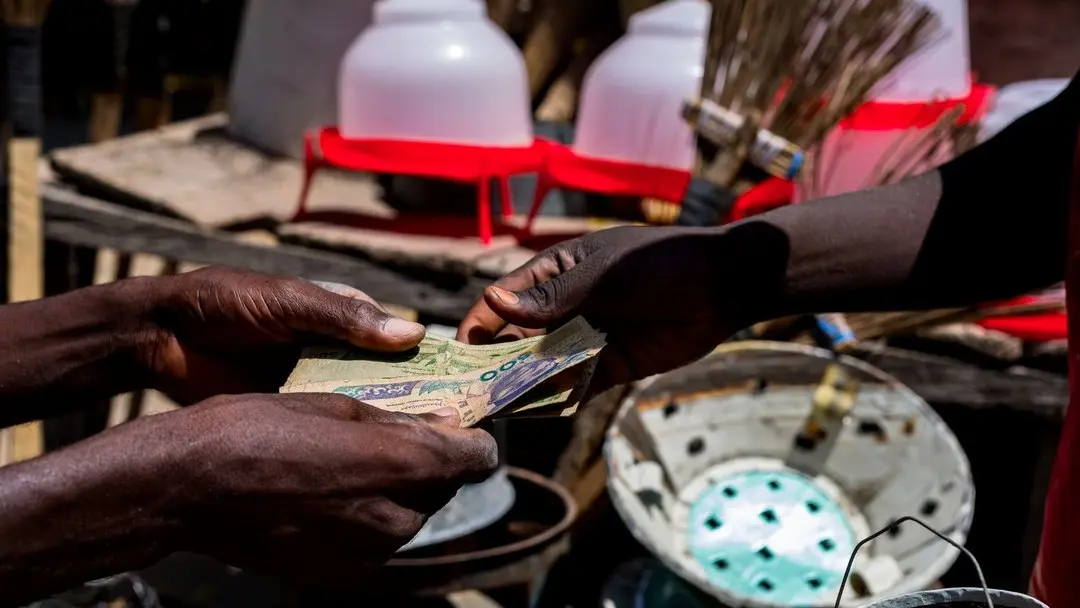
According to La Presse (Tunisia), the club’s management settled its players’ salaries through the month of September, just hours before a fixture considered important. This decision aims, according to the club, to “preserve group stability” and allow players to approach the match in a calm state of mind.
The initiative implicitly reveals a widespread reality in African and Mediterranean professional football: payment delays are often a source of demotivation, or even internal tension, capable of affecting sporting results. Clearing salaries on the eve of a high-stakes match is not trivial — it is also an implicit acknowledgment that the financial situation was not entirely up to date.

The Afriques newsletter
- Free & no spam
- 1 email per day
- Unsubscribe in 1 click
A victory bonus as an additional incentive
Beyond clearing the arrears, management announced an exceptional bonus in the event of a victory against Club Africain. This type of one-off financial incentive is common in club football, but its public announcement on the eve of a match reflects a clear desire to maximize player commitment against “one of the most prestigious clubs in the championship,” according to the terms of the statement.
Club Africain, a historic club in the Tunisian championship, indeed represents a benchmark test for mid-table sides. A positive result against them would hold undeniable sporting and symbolic value for PS Sakiet Eddaïer.
What this sequence reveals about Tunisian football
This sequence — salary arrears, an emergency settlement before a major match, a bonus promise — is revealing of the structural tensions running through many professional clubs in North Africa. While Sakiet Eddaïer’s approach can be read as a sign of managerial goodwill, it raises questions that the statement does not address: how often are salaries paid late? What is the club’s overall financial situation? And above all, will this one-off stabilization be enough to establish a lasting dynamic within the squad?
The victory bonus, meanwhile, remains conditional. If the result is not there on November 7, the effect of this motivational exercise risks fading quickly. That is the management’s gamble: turning a management decision into immediate sporting fuel.
Source: La Presse (Tunisia), 6 November 2024