Senegal’s access to a roughly $2.2 billion IMF financing package is on hold until three specific conditions are met, the Fund’s spokesperson confirmed at a press briefing in Washington on November 12, 2026. For investors watching West Africa’s bond markets, diaspora members tracking Dakar’s fiscal trajectory, and creditors already exposed to Senegalese sovereign debt, the message was clear: no money moves until three prior steps are completed.
What the IMF Actually Requires
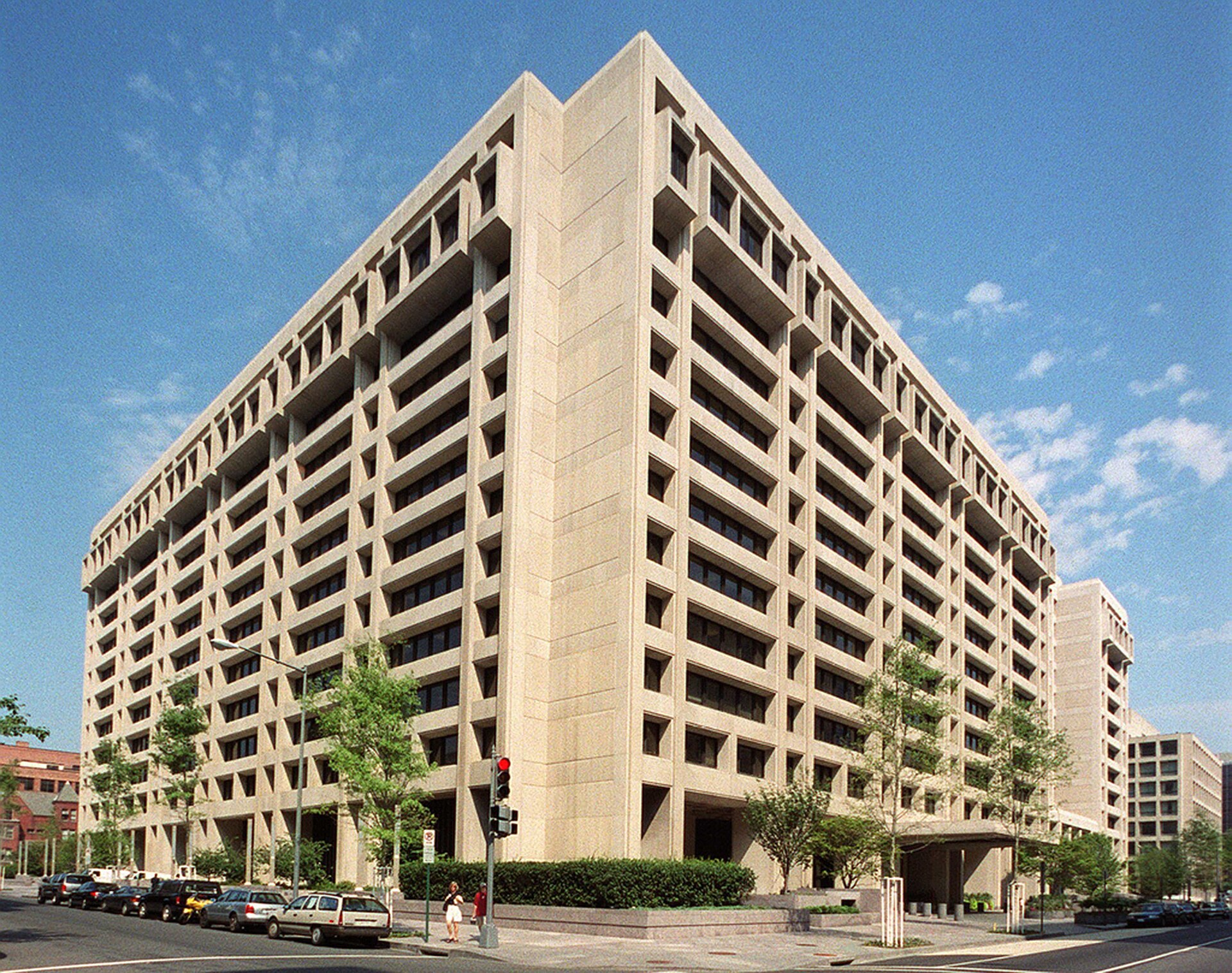
Julie Kozack, Director of the IMF’s Communications Department, spelled out the conditions in plain terms. Speaking from the Fund’s Washington headquarters, she said approval by the IMF Executive Board — the step that would actually unlock disbursements — depends on three things happening first.
The first is the completion of a budget framework consistent with the policies Senegal agreed to under the program. The second is the completion of corrective measures to address the misreporting that surrounded the country’s hidden, previously undeclared public debt. The third is securing financing assurances from Senegal’s international partners.

The Afriques newsletter
- Free & no spam
- 1 email per day
- Unsubscribe in 1 click
In her own words: “In order to move to the next step, which would be approval by our Executive Board, this depends on completion of the agreed steps on a budget framework… We would also need completion of the corrective measures to deal with the misreporting that surrounded the hidden debt. And finally, we’ll need financing assurances from Senegal’s partners.”
The Program in Numbers
The Staff-Level Agreement underpinning this package was announced on September 1, 2026. It covers a 36-month Extended Credit Facility (ECF) totalling SDR 1,537.1 million — equivalent to approximately $2.2 billion at current exchange rates — representing 475 percent of Senegal’s IMF quota. That is a substantial allocation by any measure: for context, IMF programs exceeding 400 percent of quota are reserved for countries facing severe balance-of-payments stress and require stronger justification. No funds are disbursed at the Staff-Level Agreement stage; disbursement only begins after Executive Board approval, which remains pending.
The Debt Misreporting Problem
The reference to “hidden debt” and misreporting is not a minor procedural footnote. It signals that the IMF is requiring Senegal to come clean on the full scale of previously undisclosed public liabilities before the program can proceed — a condition with direct implications for any creditor or investor trying to assess the country’s true debt burden.
Kozack also confirmed that the Official Creditors Committee expected to participate in debt treatment under the G20 Common Framework has not yet been formed. That matters because debt restructuring under the Common Framework — the same mechanism used, with varying degrees of difficulty, by Zambia, Ghana, and Ethiopia — requires creditor coordination before a final resolution can be reached. Ghana’s own Common Framework process took the better part of two years to reach a preliminary agreement with official creditors; Senegal’s creditor committee has not even been constituted yet.
A Political Standoff in Dakar
Complicating the timeline is a deepening institutional deadlock in Senegal itself. The National Assembly rejected the 2026 supplementary budget in early November and is holding up passage of the 2027 budget, creating a standoff between the executive and the legislature. Without a legally adopted budget framework, the first of the IMF’s three conditions cannot be met.
Asked directly about that impasse, Kozack was deliberate in keeping the Fund at arm’s length from domestic politics. “The IMF fully respects the sovereignty of Senegal’s institutions and is not a party to the discussions between the government and the National Assembly,” she said, while adding that what the Fund needs to see is that “the authorities are committed to the policies that they’ve agreed in the Staff-Level Agreement… and that the authorities are able to implement them using Senegal’s own legal and institutional framework.”
That framing places the burden squarely on Dakar — both the government and parliament — to resolve their standoff through their own processes. The IMF is not in a position to broker that resolution, nor is it signalling any flexibility on the budget condition.
What Investors and the Diaspora Should Watch
For anyone with financial exposure to Senegal — whether through Eurobonds, regional WAEMU securities, remittances, or direct investment — three developments will determine how quickly this program moves forward: the resolution of the budget dispute in the National Assembly, the publication and acceptance of corrective measures on the hidden debt, and the formation of the Official Creditors Committee under the G20 Common Framework. Until all three are in place, the $2.2 billion remains a commitment on paper, not cash in the system.
The IMF has not indicated a deadline for any of these steps, and the transcript leaves open how long the Fund is prepared to wait before reassessing the Staff-Level Agreement itself.
Source: IMF Press Briefing, Julie Kozack, Director of Communications, November 12, 2026